Why scientists need a new Ebola vaccine despite one already existing as WHO issue update


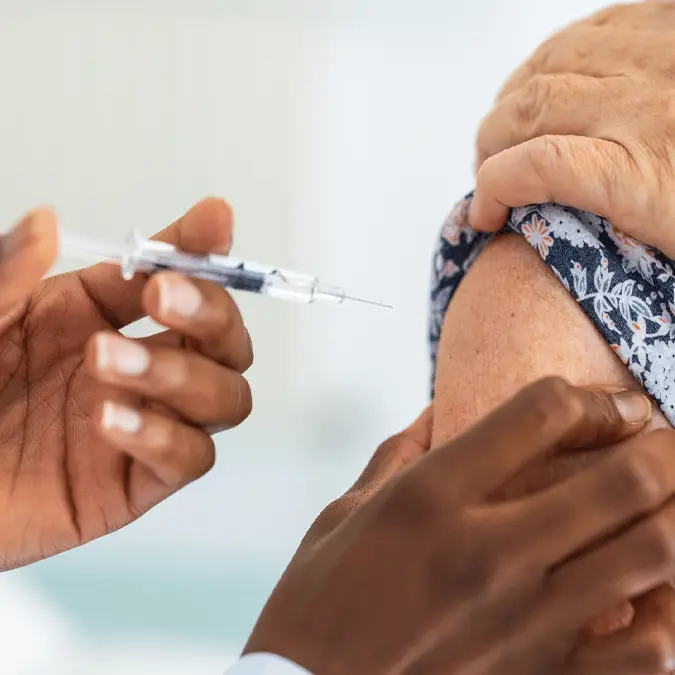
Scientists are working on a new vaccine to tackle an Ebola outbreak which has killed more than 5,600 people (as of 17 November 2026), despite an existing jab already being used to protect against the disease.
This comes after the global vaccine alliance Gavi agreed to secure up to 1.5 million doses of an experimental vaccine specifically designed to target the virus currently spreading through the Democratic Republic of the Congo (DRC).
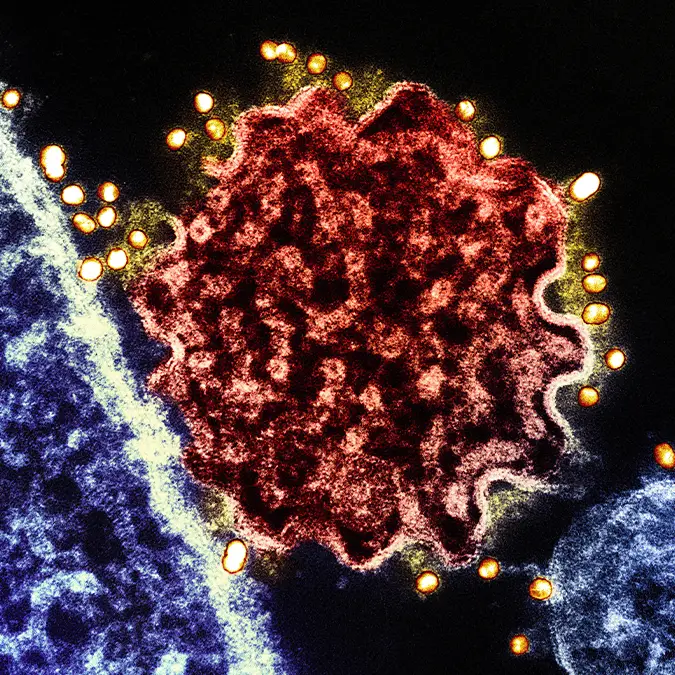
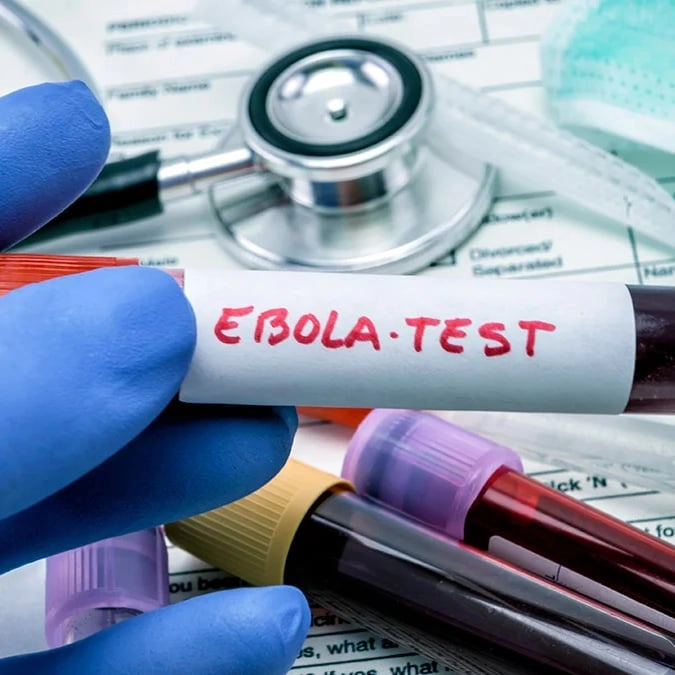
However, there is a reason health officials cannot rely on the Ebola vaccine which already exists, because the outbreak is being caused by Bundibugyo virus, a less common species of Ebola which is genetically distinct from the Zaire strain targeted by the existing vaccine.
There is currently no approved vaccine or specific treatment available for Bundibugyo, so scientists are investigating whether a new vaccine can be developed.
Advert
According to the latest Disease Outbreak News report by the World Health Organization (WHO), as of 17 November 2026, there have been a total of 11,613 confirmed cases, including 5,678 deaths in the DRC.
The statement continues: “Six months into the BVD outbreak, the response has expanded significantly, but transmission remains persistent and geographically widespread. WHO, the national Government and partners have strengthened surveillance, treatment, laboratory capacity and community engagement, yet high community mortality, insecurity, displacement and a fragile health system continue to undermine progress.
“The next phase will need to focus on scaling up, but also on improving the reach, quality and impact of the response. Early detection, quality care, contact tracing, infection prevention and community trust remain critical. Sustained funding, strong coordination and safe access to communities will be essential.”
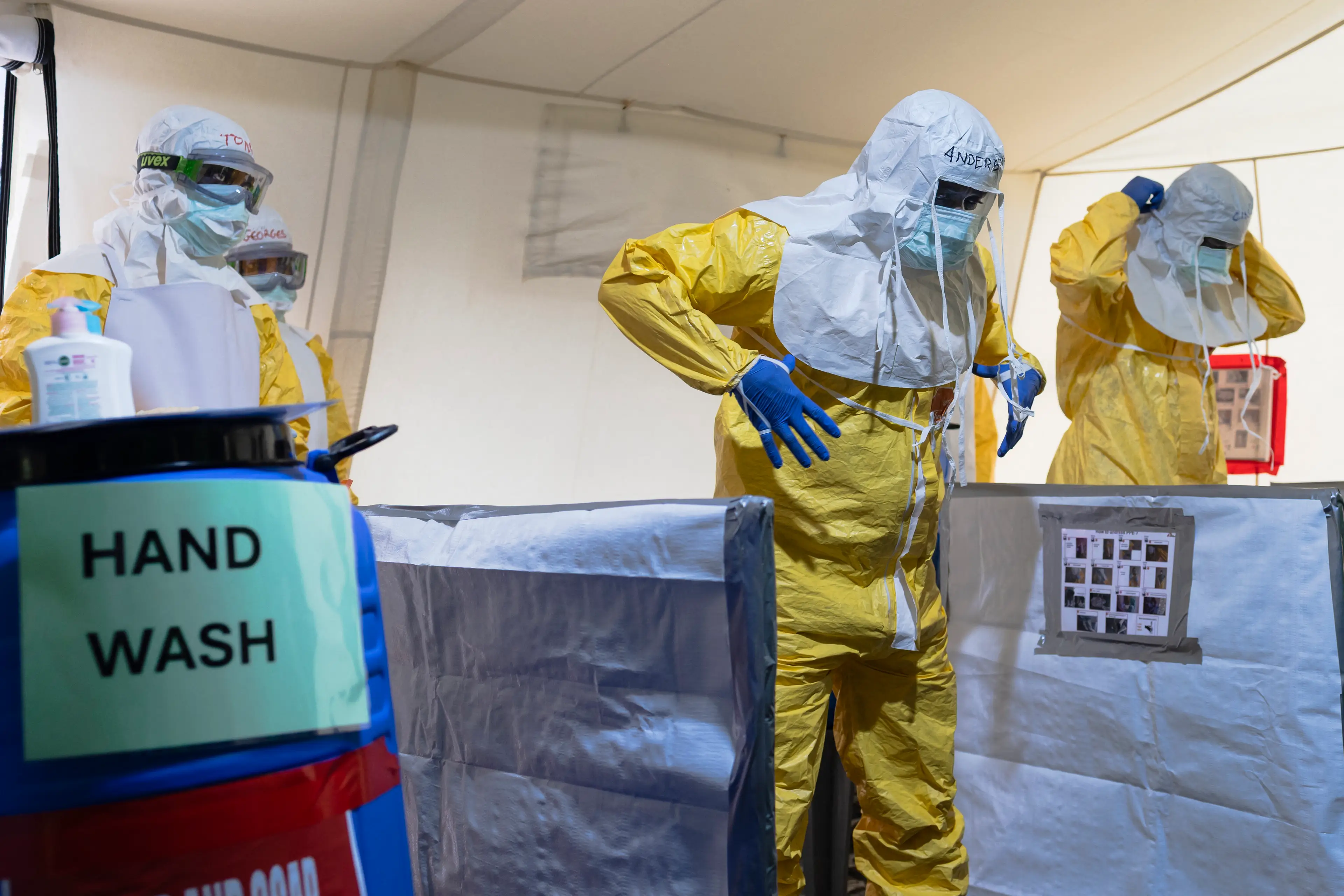
A new Ebola vaccine is being developed
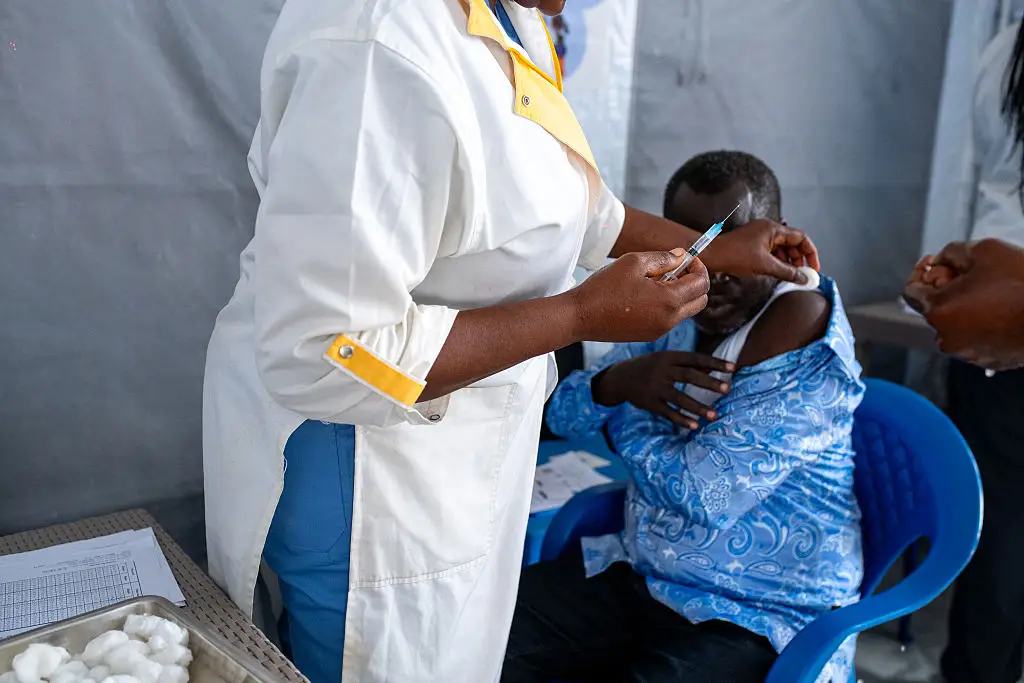
Earlier this month, the WHO announced that two additional vaccine candidates had been recommended for testing as part of an ongoing clinical trial in the DRC, with one being ChAdOx1, developed by the University of Oxford alongside the Serum Institute of India, and the other being Moderna’s mRNA-1469.
This will involve identifying people who have been in contact with someone infected with the virus and offering them vaccination, allowing researchers to assess whether the candidates can prevent further infections, with initial trial results being expected in early 2027.
Cases have been identified across 68 health zones in eight provinces, with active transmission continuing in 48 of them.
The WHO highlighted several obstacles facing those attempting to contain the disease, including insecurity, population displacement and difficulties accessing healthcare.