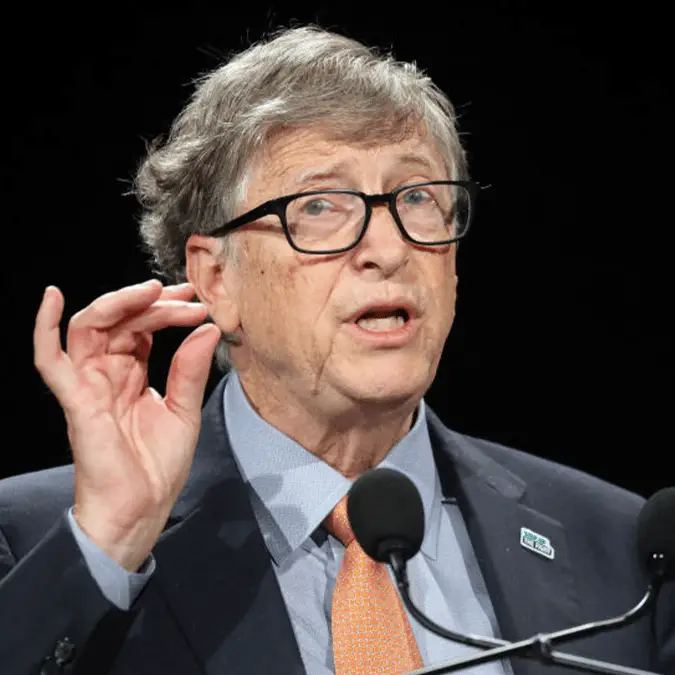
Bill Gates sounds alarm on AI as he warns the 'turbulent era' is among us


Bill Gates has demanded action in relation to the rapid development of AI models, as he claims that the necessary measures to 'minimize harm' in relation to the new technology simply do not exist right now.
Concerns surrounding mass unemployment and the impact that it'll have on the environment are the two dominating conversations regarding AI right now, yet prominent voices within the tech world have issued warnings with growing frequency regarding risks that are a lot more immediate.
While OpenAI CEO Sam Altman recently claimed that the world hasn't changed quite as fast as he thought it would, the capabilities of leading AI models have advanced at a rapid rate, leading to potentially imminent issues in relation to bioterrorism, cyberattacks, and more.
Bill Gates is one of the more vocal figures advocating for stronger guardrails and protective measures surrounding AI despite his support for the tech, as he has claimed that we're now in a 'turbulent era' as a consequence.
Why Bill Gates thinks we're in a 'turbulent era'
Speaking to Anderson Cooper on CNN, the Microsoft co-founder explained that "over the last year, these AIs have gotten dramatically more powerful, even faster than I expected.
Advert
"They're now capable of causing cyberattack risk, bioterrorism risk, and psychosocial risk," he continued, echoing prior statements from leading figures like Altman amid growing demands for governments to take action.
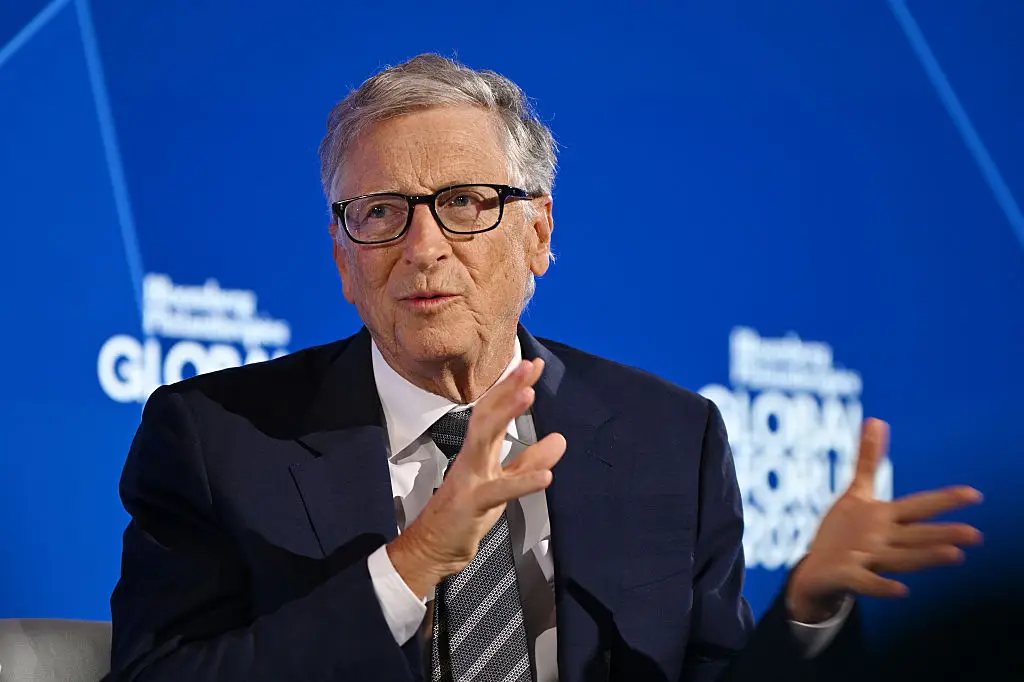
What's dangerous about AI is that its benefits and risks are almost equally balanced, with advancements in medicine matched by the potential for bioterrorist attacks, and significant progress in cybersecurity protections arguably cancelled out by hackers who now have the tools to bypass the very systems AI tools are constructing.
Where that balance can be tipped in the favor of good, however, is through restriction and control, as much of that danger comes from giving malicious individuals and groups access to open source AI models with the same capabilities.
Gates declared that "the transition to the AI era will be one of the most turbulent times in human history," and it's hard not to see the risks at hand when the potential downsides are as consequential as this.
He also highlights the danger for AI's benefits to suffer from the existence of negative impacts too, with potential advancements in healthcare and science overshadowed by cyberattacks or bioterrorism, turning people away from what could be revolutionary and world-altering technology.
Gates weighs in on the job crisis
He also addressed people's attempts to downplay how different the current job crisis is compared to previous technological overhauls and evolutions throughout history, arguing that AI's displacement is likely to happen at a far faster rate, and without the riches of society to create new jobs as a consequence.
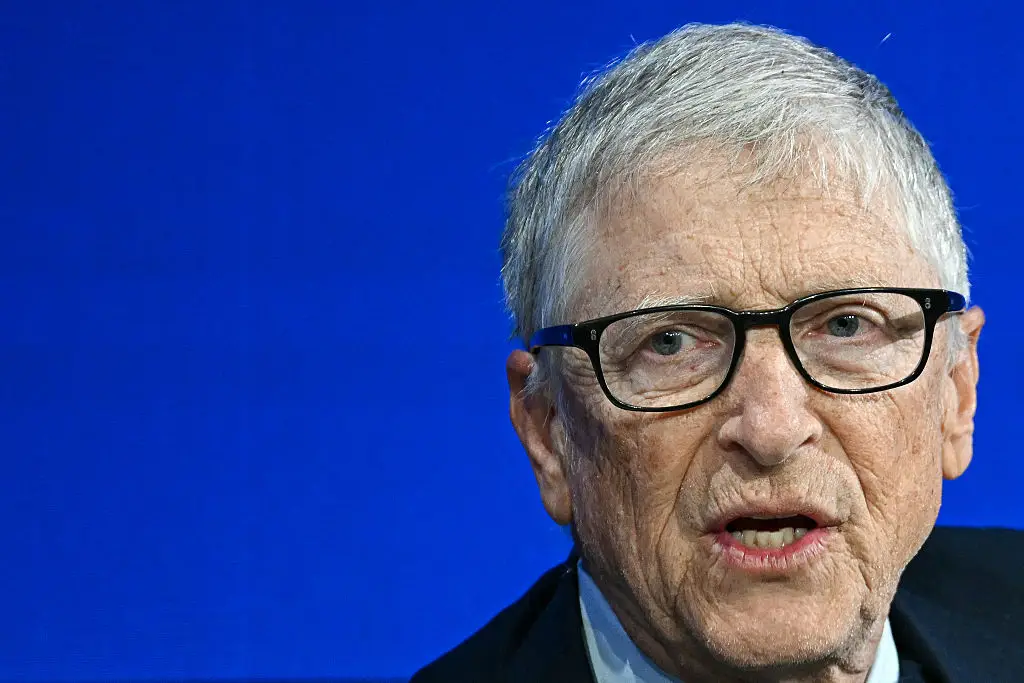
Gates mirrors the believe that white collar work will be (and arguably has already been) struck first, with blue collar jobs followed soon after with the widespread application of humanoid robots, and he even claimed that he's willing to 'stake his reputation' on that fact contrary to the belief of some others.
"The bar for somebody coming along and saying 'this time is different' is very high, but I'm staking my reputation completely on the fact that, in terms of the impact on the job market, this is very different than any technology that I've been involved in or have come across in human history."