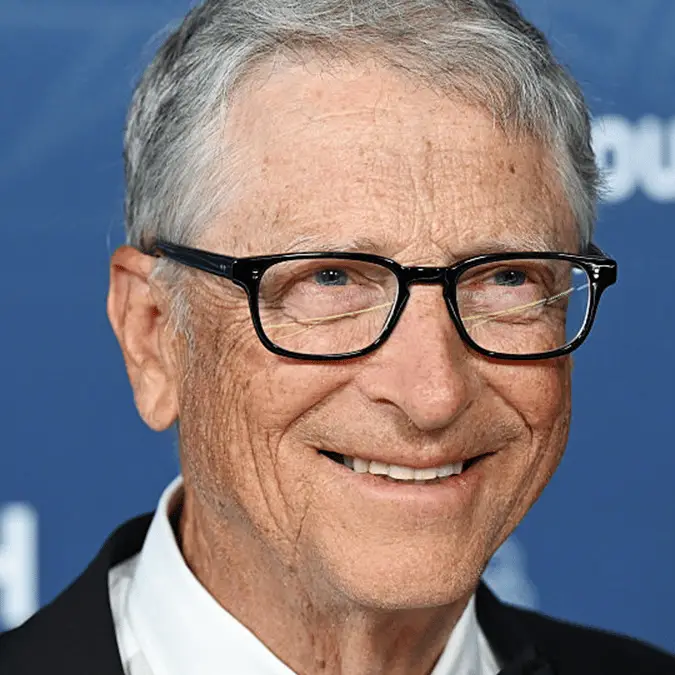
Bill Gates warns AI will cut human work week to just two days in under 10 years


The rapid rise of artificial intelligence has sparked both excitement and fear across workforces all around the world.
While some tech experts boast about its efficiency, many people worry about the real-world impact it could have for their job security and the future of work.
There’s genuine fear about AI taking over the repetitive, mundane tasks that ultimately pay the bills, and it’s no wonder people are cautious where that leaves us humans.
Another interesting perspective on the future of AI and work-life comes from Bill Gates, who recently suggested that AI could actually free us up rather than replace us.
Advert
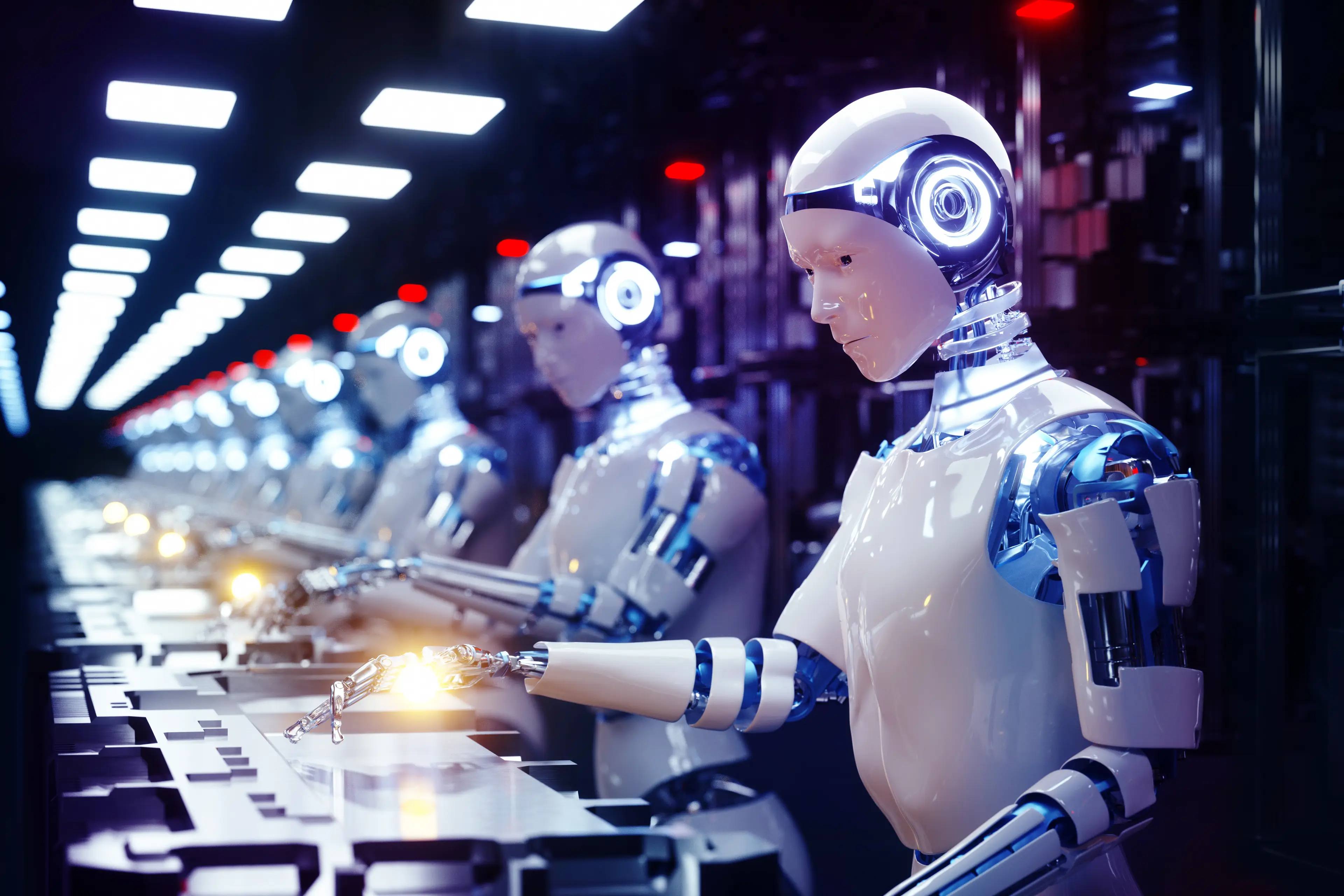
The billionaire predicts that within the next decade, advances in technology, especially artificial intelligence, could make a two-day work week the norm, as machines take over most of the tasks humans do today.
He said that while AI lacks specialised knowledge unlike humans who are able to be physicians and educators, the next 10 years will bring about a huge shift. “It’s kind of profound because it solves all of these specific problems, like we don't have enough doctors or mental health professionals, but it brings with it so much change,” Gates shared his prediction during an appearance on The Tonight Show with Jimmy Fallon in March. “What will jobs be like? Should we just work 2 or 3 days per week? So I love the way it'll drive innovation forward, but I think it's a little bit unknown [whether] we will be able to shape it.
Gates believes the future technological era of 'free intelligence' will make society face tough questions about the roles humans should continue filling, as he theorized that few professions would survive such scrutiny.
The Microsoft co-founder also discussed the topic of AI with Harvard professor Arthur Brooks who specializes in the science of human happiness. Gates said during the discussion that the ‘free intelligence’ era will democratise specialised knowledge for all.
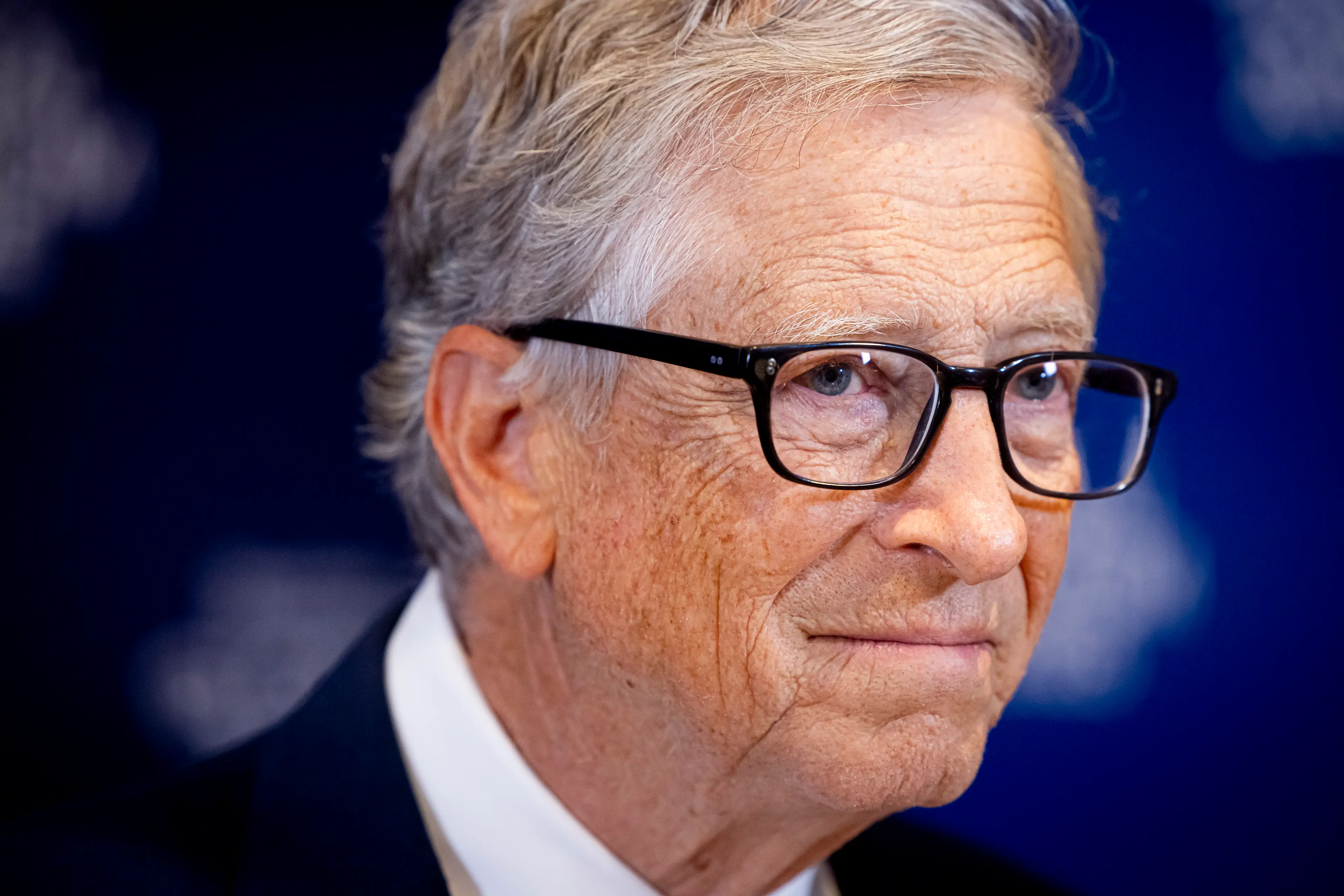
“We'll decide, like baseball- we won't want to watch computers play baseball- so there will be some things that we reserve for ourselves, but in terms of making things and moving things and growing food, over time, those will basically be solved problems," Gates said.
Companies around the world have explored shortening the five-day work week in recent years. Some businesses have experimented with a four-day workweek, and the data suggests long-term benefits for staff.
Sociologist Juliet Schor of Boston College, pointed out improvements in employee physical and mental health and work-life balance, as well as higher job satisfaction and general life satisfaction. There was also evidence of burnout reductions which have been maintained over the past year.
'The results are really stable. It's not a novelty effect. People are feeling really on top of their work with this new model,' Schor added.
However some might criticize in Gates' theory though is what will happen to those people who currently do the jobs, or 'problems', that AI will 'solve'. Geoffrey Hinton, known as the 'Godfather of AI', has previously outlined the extreme wealth gap that AI advancements will create, and the future prosperity of society would entirely depend on the ability to support people without the need of jobs.
There's also the ethical consideration too, which has been raised by one Jeff Bezos-backed CEO, as the efficacy of artificial intelligence is entirely dependant on those in control,