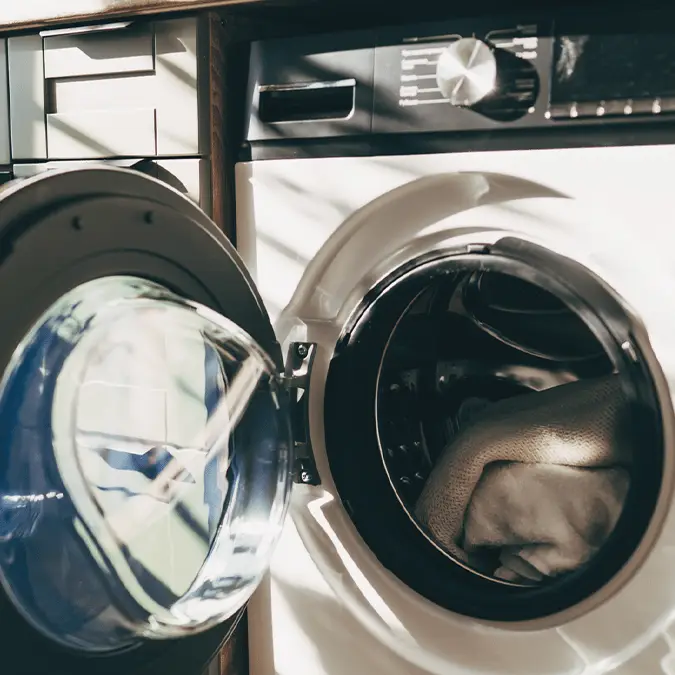
Experts explain why you should never shut your washing machine door after a cycle


Modern washing machines have come a long way from the bulky, intimidating models we've seen in the past.
Technology has advanced so much now that we can see exactly what happens inside a washing machine using a GoPro camera (if you were curious enough).
But as much as the tech and features seem to improve, there's still much to learn from our chore habits. Like making your bed or putting the dishes away, closing the washing machine door after its cycle feels like the right thing to do. But what if the seemingly harmless habit has been quietly sabotaging your laundry routine all along?
Advert
As shared by Daily Mail, experts at AO.com warn that those of us who routinely close the washing machine door after a wash cycle might be creating a bigger problem.
While it might make your home look tidier, shutting the door traps condensation inside the drum and can create ideal conditions for mould.
"Washing machine rubber door seals are one of the biggest hidden breeding grounds for mould in the home," explained Gwil Snook, a Laundry Appliance Expert at AO.com. "They trap moisture, detergent residue and fabric fibres during and after washes, creating the perfect warm, damp environment for mould and bacteria to thrive.
"Because the seal folds inward, it often stays wet long after a wash has finished, especially if the door is kept closed."
According to Snook, if you smell an unpleasant odour when you open the washing machine door, or your clothes smell stale after a wash, 'chances are that you've got a mould problem.'
Thankfully, Snook also shared six practical tips to keep your washing machine mould-free.
Although it might look untidy, she advises that users leave both the washing machine door and detergent drawer open after every wash cycle.
"Letting the machine air out between washes is one of the simplest habits you can get into if you want to avoid mould," Snook said.
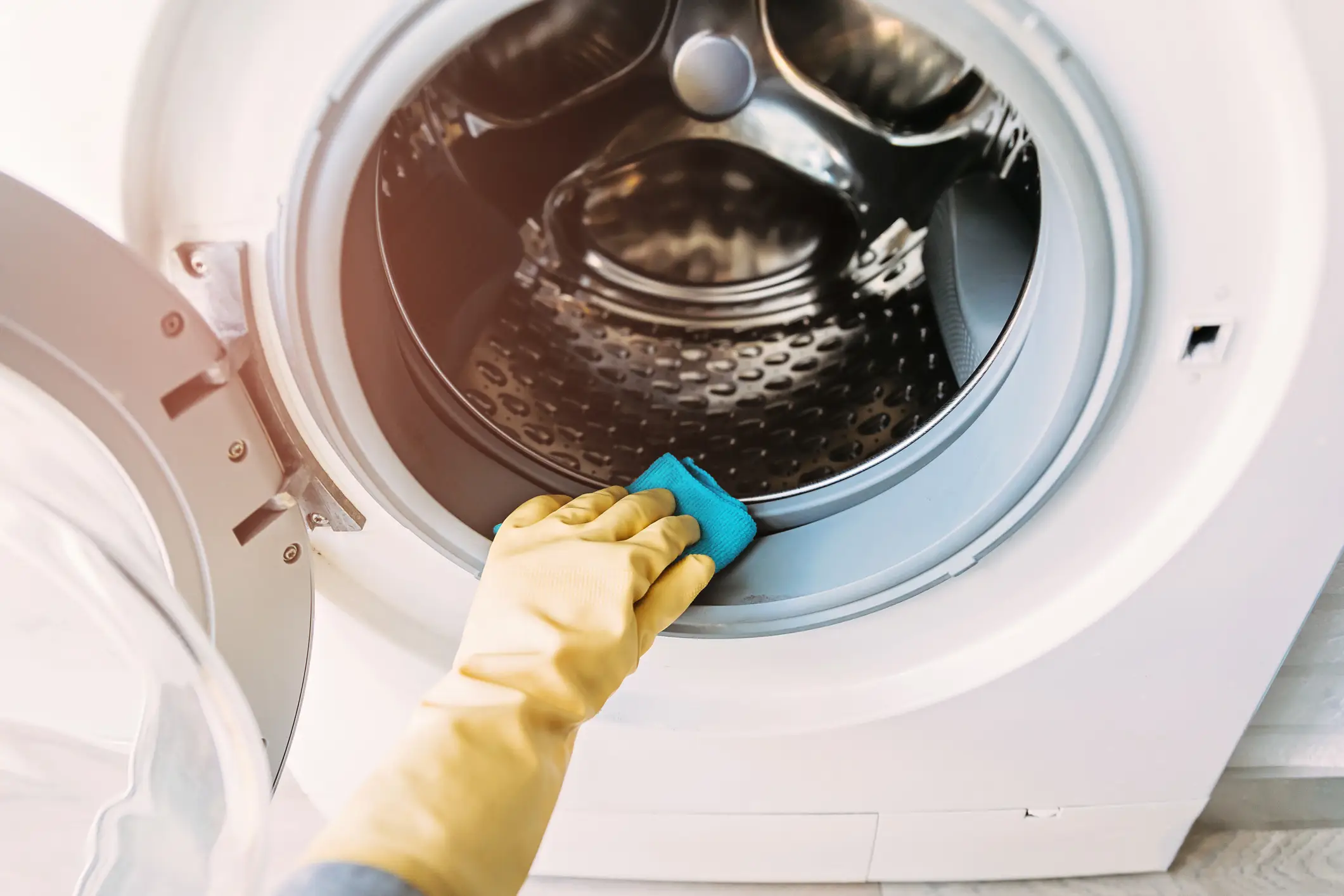
Also, users should try to wipe down the door seal and drum 'every so often' as this is 'usually the first place mould appears, and it catches people out.'
As well as those, users should clean the detergent drawer and filter, as this is also to blame if the 'washing machine smells even when it's empty.'
The cleaning expert added: "These areas are easy to forget, but keeping them clean helps the whole machine run better and stay fresher for longer."
That said, if you do spot signs of mould, there are a few things you can do.
Snook recommended cleaning the seal with white vinegar and a microfibre cloth, then running an empty cleaning cycle.
"Detergent alone won't keep a washing machine clean," Snook warned. "A regular hot empty cycle clears out hidden residue and build–up inside the drum and pipes, which is often what causes lingering odours and mould."
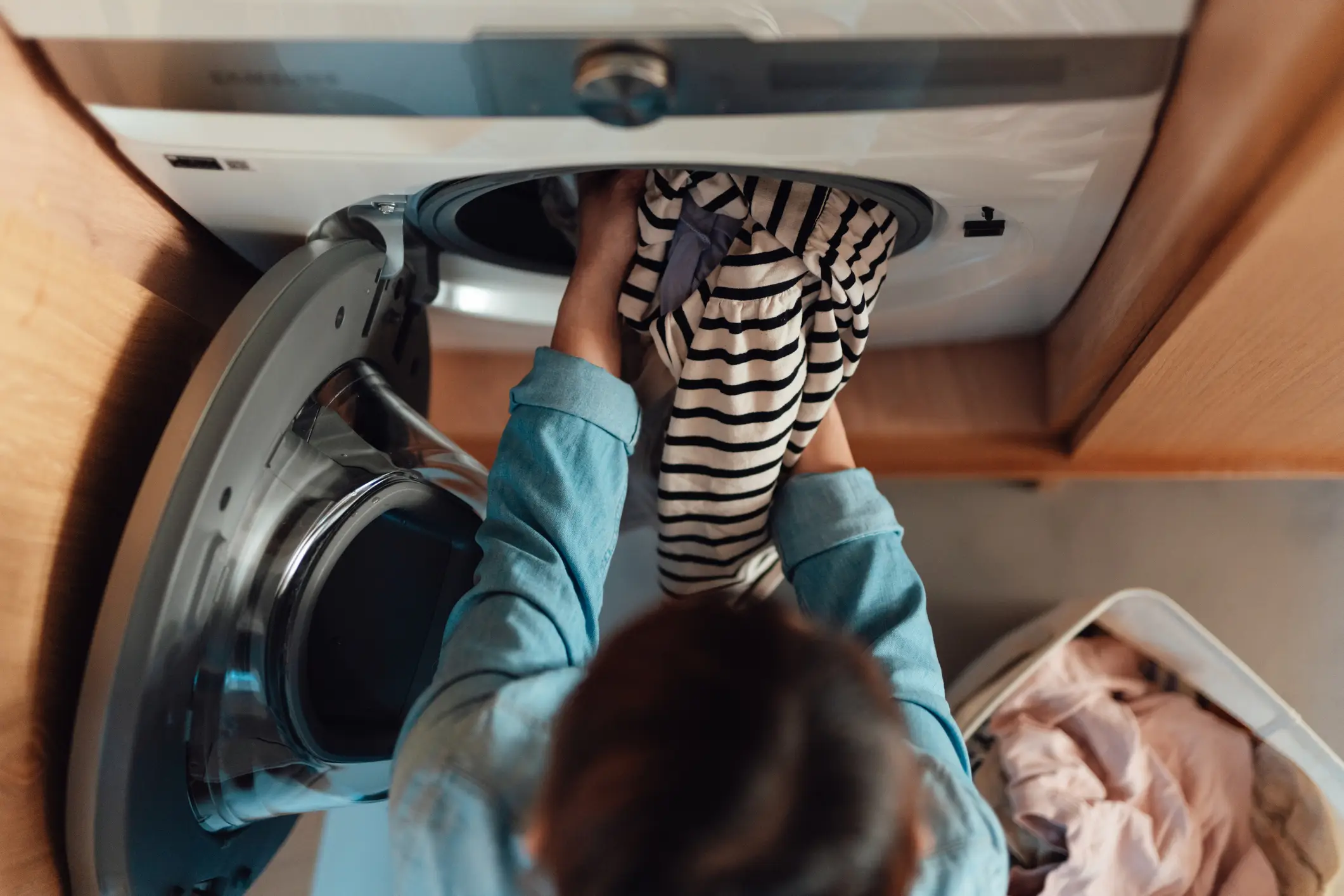
As a final note, users should always remove wet laundry immediately and avoid overloading the machine.
"Overfilling the drum or leaving wet clothes sitting inside creates the perfect damp environment for mould," she described. "Finishing the job properly and giving the machine space to drain makes a noticeable difference over time."