Apple declares two iconic iPhone models obsolete meaning they're now considered 'vintage'


Two of Apple's most popular iPhone models have reached a point in their life cycle that owners have been dreading, as the tech giant has declared that they're now considered to be obsolete.
While many people go out and buy the latest and greatest iPhones every single year, some Apple fans hold on to their devices for as long as they possibly can, only upgrading when it feels necessary.
All of the new announcements that were recently unveiled are certainly more than enough to entice people to jump ship to a newer model, but there will still be some holding strong for models that have long since been unavailable to buy.
Apple's products typically fall into three categories after they're released, with gadgets released as little as a year ago becoming discontinued as they're replaced by newer models.
Advert
The next step after that sees products become 'vintage', where support is limited and subject to availability, yet the dreaded 'obsolete' label has finally arrived for two incredibly successful iterations of Apple's best-selling device.
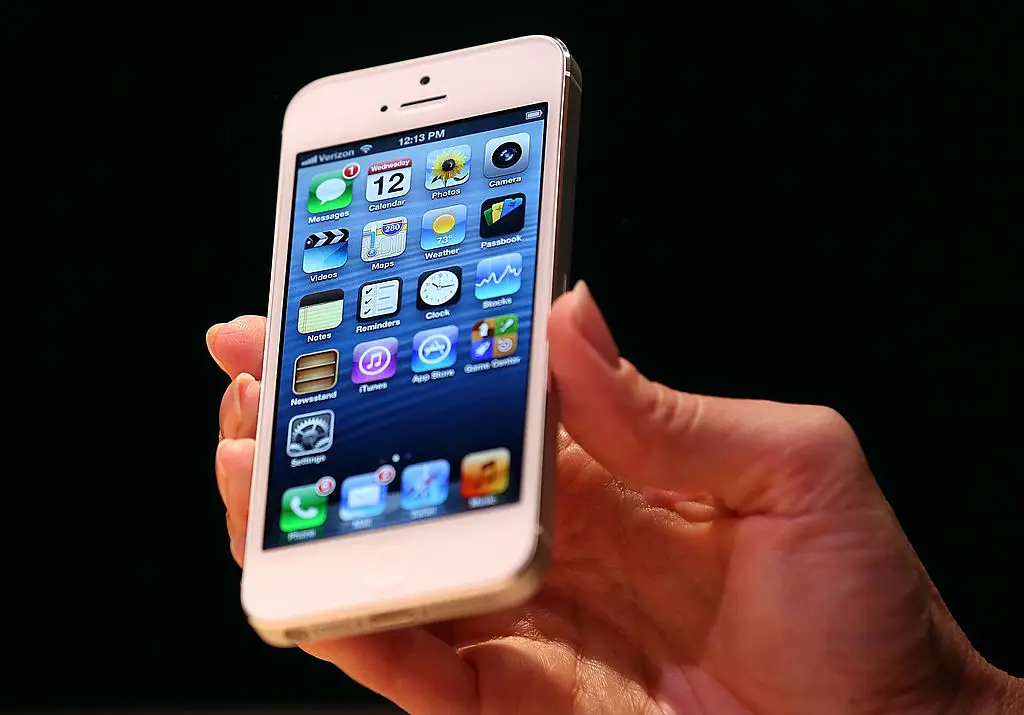
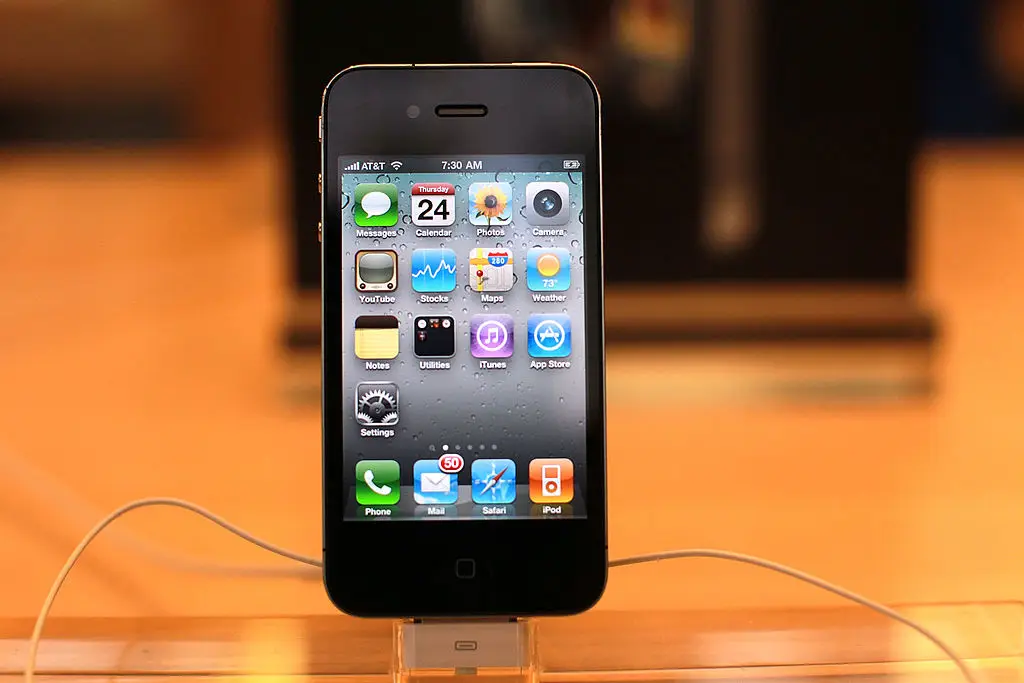
As reported by 9to5Mac, both the iPhone 4 (8GB) and iPhone 5 are now considered obsolete by Apple, meaning that the company no longer offers any support or repairs for the product whatsoever.
It shouldn't necessarily come as a surprise considering the 'newer' iPhone 5 was released nearly 14 years ago, but there might somehow still be a handful of people out there that rely on the device for their smartphone access.
The iPhone 4 GSM (8GB) was previously considered to be obsolete in isolation to its standard version, but they have now been conjoined and destined to failure – at least through official means – if any issues occurred.
One potential silver lining of sorts that comes from this decision is that the value of these devices will now only increase with time, as the lack of repairs will make working versions far rarer and thus far more expensive.
We've seen this with particular versions of Apple's first products in the past, and considering how well the iPhone 4 and iPhone 5 sold at release, there's a good chance that you might have one lying around and neglected in a drawer.
It was definitely a good run for both devices when you put it into perspective though, as Apple typically only wait around seven years after iPhones become discontinued to make them obsolete, so they lasted far longer than many expected.