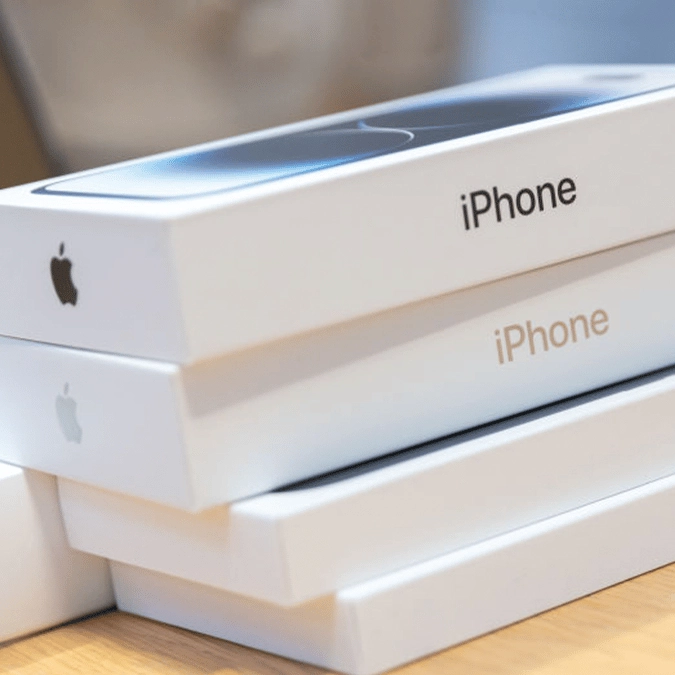
iPhone users warned about the hidden cost of 'device hoarding' as Apple makes more models obsolete


Things just aren't built like they used to be, and back in the day, refrigerators, washing machines, and television sets could be passed down generations.
Nowadays, it feels like even looking at an appliance or gadget out of warranty will cause it to explode.
Elsewhere, the constant evolution of technology tries to tempt us into upgrading to the latest model when we probably don't need to.
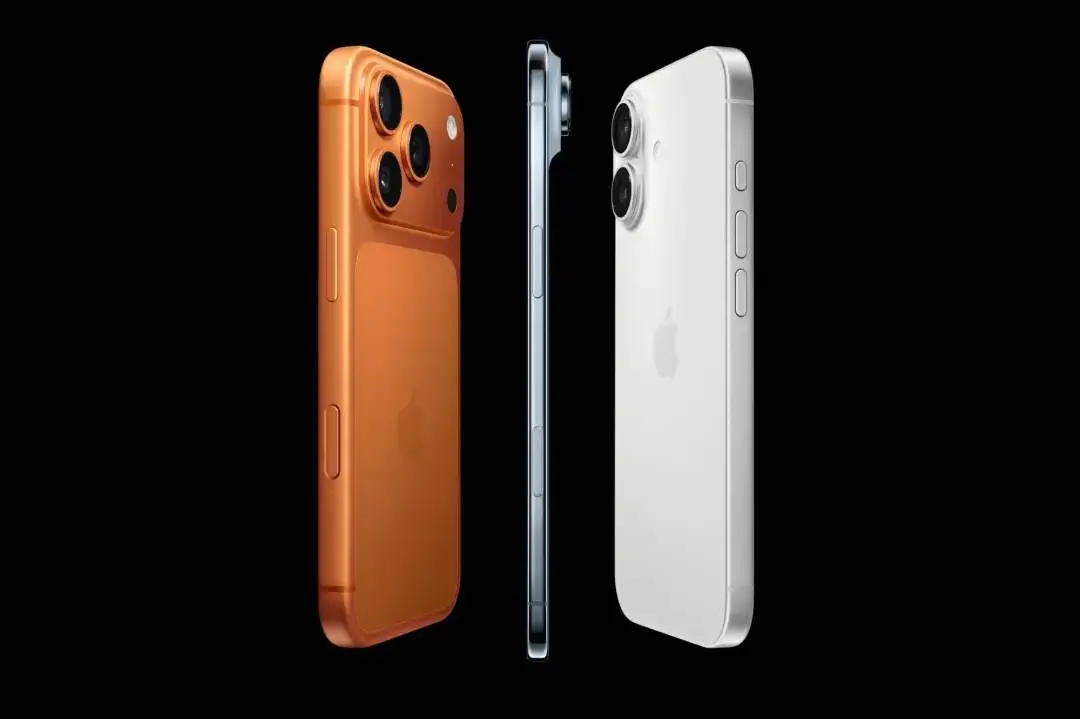
Apple trots out a new iPhone every year, but in 2025, there were more devices than ever when the tech Goliath added the long-rumored iPhone 17 Air to the mix.
Advert
There were recent reports that the iPhone Air wasn't the hit Apple hoped it would be, suggesting that there simply isn't the demand. It's not helped by concerns about President Donald Trump's trade tariffs and whispers that the cost of the iPhone could go through the roof.
With all of this uncertainty, many of you are sticking with the "If it ain't broke," mantra. Not everyone can afford to shell out on a shiny new iPhone every year, and despite the iPhone 17 boasting the Liquid Glass overhaul, critics have complained that there aren't enough differences to justify the jump.
According to CNBC, consumers are taking an unexpected toll on the industry, with so-called 'device hoarding' having a knock-on effect. The outlet explains that while we think we're being savvy by holding onto devices for longer, it's leading to "a costly productivity and innovation lag for the economy."
A survey from Reviews.org claims that the average American now keeps their smartphone for an average of 29 months – up from 22 months in 2016.
This is coupled with research from the Federal Reserve, which says that each year a company delays upgrading its equipment, it leads to a productivity decline of around 0.03%.
There's a silver lining that the USA is known to replace aging equipment quicker than other countries, although Cassandra Cummings, CEO of New Jersey-based electronics design company Thomas Instrumentation, warns about the severity of the issue: "Think about how much internet speeds have changed in the past decade or more. In the 2010s, 100 Mbps speeds were considered high speed and very good.
"A short 10 years later and we’re operating at 1000 Mbps speeds, which is roughly 10 times faster. Those devices were engineered when no one could fathom speeds that much faster would be mainstream."
Remembering that the cellular and internet infrastructure have to be backward compatible to support older devices, it's hitting the tech industry hard in the pocket as they're forced to 'throttle' speeds to accommodate the slowest devices.
Still, Cummings admits that it's not that easy: "Many companies, especially small businesses, and individual people can’t afford to constantly upgrade to the latest and greatest devices."
Speaking out against the 'throw-away culture', Cummings suggests we promote modular designs where specific parts can be easily replaced: "Perhaps future devices can have a partial upgrade in say ethernet communications rather than forcing someone to purchase an entirely new computer or device."
According to Jason Kornweiss, senior vice president of advisory services at Diversified, the real problem comes from companies trying to keep up with the pace of evolving tech and it being obsolete by the time they finish testing: "Corporations with hundreds or thousands of people are not investing at the same rate...Businesses establish shelf-life that is multi-year.
“Employees look at replacing devices within an organization as too tedious and people cringe when the IT department comes with a new device."
A Diversified survey from 2024 suggested that 24% of employees were forced to work late or overtime because of aging tech, whereas 88% of employees believe inadequate workplace equipment is stifling innovation.