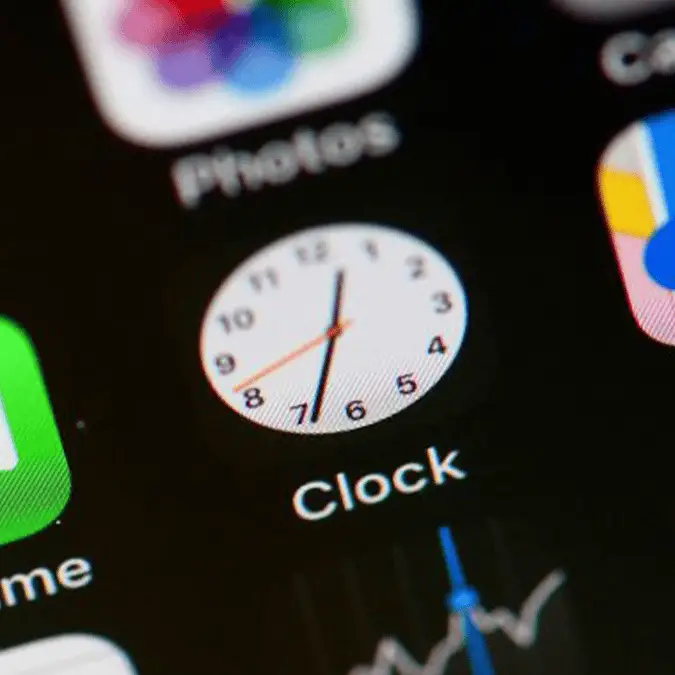
iPhone users fascinated after uncovering 'ridiculous' design element hidden in clock app


iPhones are packed with subtle details and hidden features that even long-time users continue discovering years after release.
Some are practical features that can improve your user experience, while others are nothing more than amusing surprises that show Apple's attention to detail. Other users make discoveries by trying things out themselves, like what happens if you delete the Apple App Store.
Now, as we're always learning something new in the tech world, keen-eyed iPhone users have discovered something unusual in the clock app.
Typically, the second hand smoothly glides around the clock face. But, it turns out, this isn't always the case.
Advert
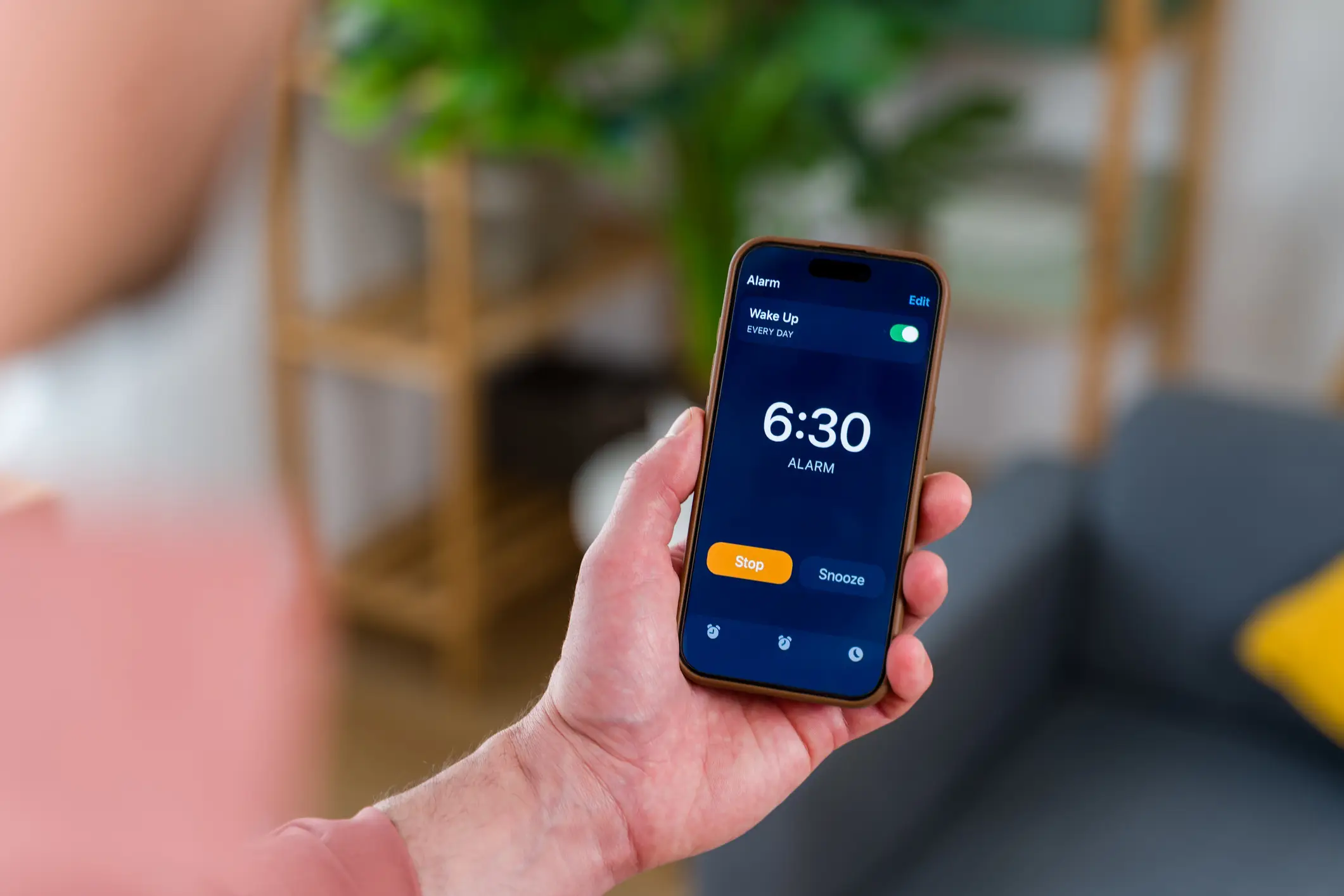
When an iPhone is in Low Power Mode, the second hand switches to a ticking motion around the clock.
X user ShishirShelke1 shared their discovery in a post that has since gone viral across other social media including Reddit.
"Wait… the Clock icon on iOS ticks like quartz watch in low power mode and mechanical in normal mode???" the user wrote. "That's ridiculous attention to detail."
Many users have since realised that the design was likely more a function of power saving rather than a deliberate hidden feature by Apple.
"It's not an attention to detail, it's an easy point to save battery! When you animate the entire flow, that is more pixels having to turn on and off. When you cut each second, the pixels are doing less, saving battery life," one user replied.
The tech giant introduced the feature in 2015 as an option to extend battery life if it's running low.
"When the battery level gets low, Low Power Mode reduces background activity on iPhone and iPad devices to extend battery life," Apple explained on its official website.
When activated, Low Power Mode disables email fetch, background app refresh, and automatic downloads, while temporarily pausing iCloud Photos. Display brightness is also reduced and the refresh rate becomes limited. To turn it on, simply go to Settings > Battery > Low Power Mode and toggle it on.
"One Easer [sic] egg the 3 trillion dollar company drops after releasing mid phones," a second user commented.
"I think its merely due to the refresh rate of the always on screen that goes down to 1/s," a third social media user added.
Someone else suggested: "It's probably not attention to detail but rather saving some battery by processing lesser frames."