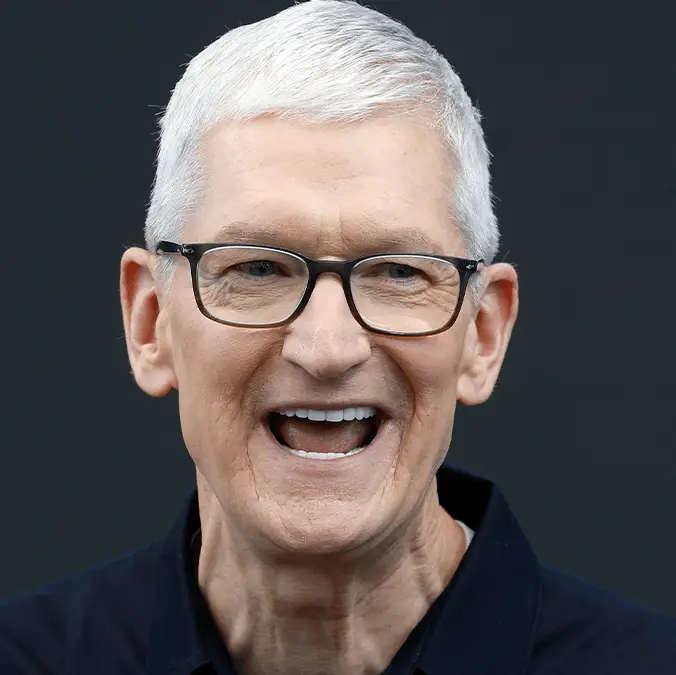
Tim Cook issues warning over 'unavoidable' Apple price hikes as he prepares to step down


It feels like the price of everything is going up these days, and we don't just mean a dozen eggs. The tech world has been hit especially hard, with President Donald Trump's trade tariffs and the closure of the Strait of Hormuz leading to tumbling stocks and constant threats that your favorite gadgets will cost more.
While we've thankfully been able to avoid those wild whispers that your next iPhone could cost $3,500, we're not out of the woods yet. As Tim Cook prepares to step down as Apple CEO and transition into his new position as executive chairman of Apple’s board of directors, he's issued a warning about the way things are heading.
In a somewhat alarming interview with The Wall Street Journal, Cook admitted that 'unavoidable' price hikes are on the way. Speaking to the publication on June 17, Cook reiterated: "Unfortunately, price increases are unavoidable."
While he says Apple is doing its best to mitigate the 'huge increases' being passed to it, adding: "We've been trying to shield our customers from the increases, but the situation has become unsustainable."
Advert
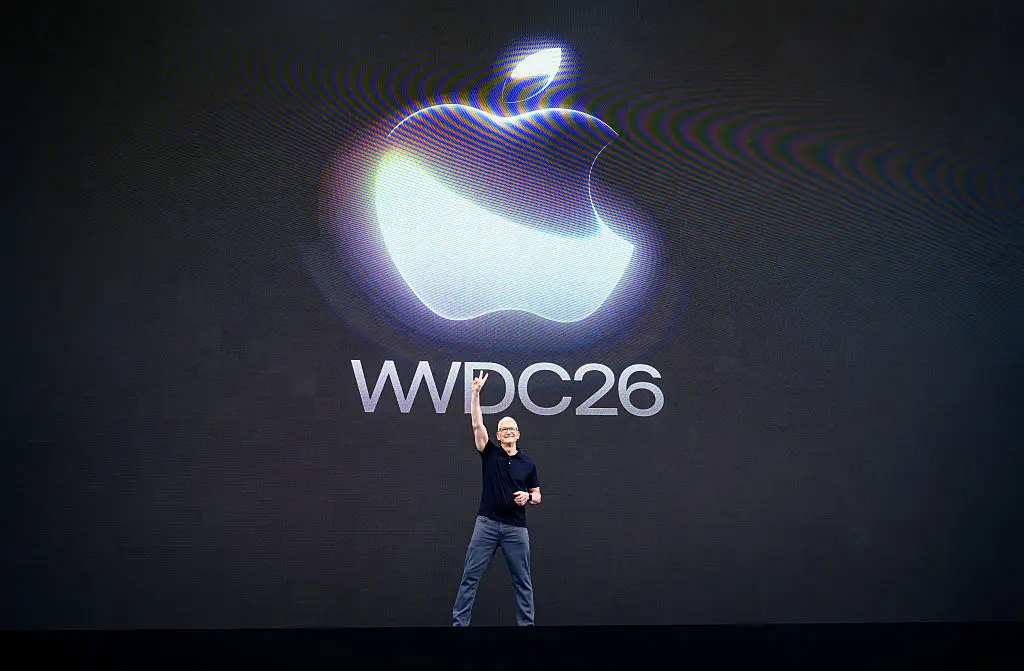
Cook declined to give a timescale for which products would be affected and when these increases could come into play, but with the iPhone 18 lineup due to release in September, we're worryingly close to paying even more for the next iPhone. Insiders already have us balking at the idea that the long-rumored folding iPhone will set us back $2,000, but will consumers still be willing to pay if it ultimately ends up costing more?
Morgan Stanley suggests that PC and smartphone prices in the USA could soar by 15% by the end of 2026.
At the core of the issue, the WSJ blames soaring demand for memory and storage chips, with AI innovations powering this push. Given that Apple put a massive emphasis on Siri AI at this year's WWDC, it's no real surprise.
With AI servers 'gobbling' up memory and storage chips, it's leaving far fewer for other corners of the tech world. As everything from smartphones to laptops also need these chips, there's a serious supply and demand problem looming.
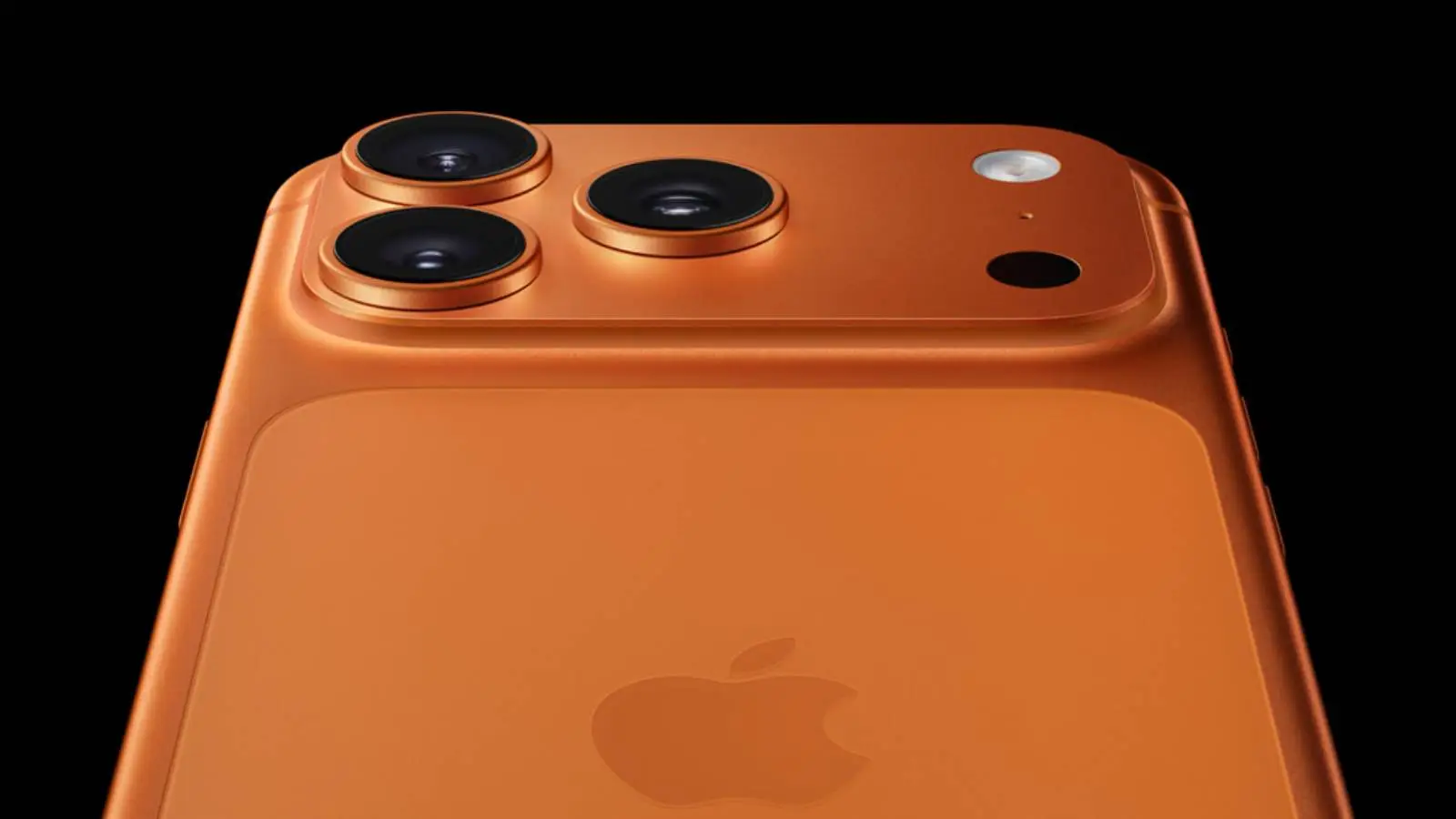
Focusing on memory (also called DRAM), Cook explained: "There’s less supply at a time when consumers want devices and the memory guys are passing along huge price increases.
“We definitely need memory pricing and supply to return to reasonable levels for consumer products. That’s the bottom line.”
Currently, Samsung and SK Hynix in South Korea, as well as Micron in the U.S., dominate the DRAM market. All three have seen stock prices boom in the past 12 months.
Backing up Cook's musings, the outlet noted that Google, Microsoft, Meta and Amazon announcing massive capital spending budget increases in 2025 led to prices of memory and storage quadrupling.
Apple has compounded the need for DRAM as it adds yet more AI features, although there are grumbles about it previously boosting profits by charging to increase storage, and it costing the company a mere fraction of what we have to pay.
Also, with Apple recording a record-breaking $29.6 billion profit on $111.2 billion revenue in Q2 of 2026, there are sure to be those arguing that the company can afford to take the hit itself.