
Apple reportedly delays Tim Cook's favorite invention amid increasing privacy concerns


Tim Cook might be on his way out as Apple CEO, but before he steps into his new role as Executive Chairman of Apple's board of directors, he could be about to push one more innovation through.
The problem is, as Apple continues to be caught in the crossfire of various privacy concerns and has a somewhat spotty track record when it comes to releasing innovations, it could be one gamble too many.
While many thought Apple had left failures like the Apple Pippin and Apple Lisa behind, many see the Apple Vision Pro as a modern commercial and critical failure for the tech giant. After reportedly spending anywhere up to $30 billion on research, the Apple Vision Pro's lofty price tag of $3,499 was far from its only issue.
There were also complaints of pressure due to the spatial computer weighing over 1.3 pounds, major companies like Netflix and YouTube refusing to build native apps, and sales being sluggish.
Advert
Couple this with mass returns, and the Vision Pro was hardly the next iPhone 6.
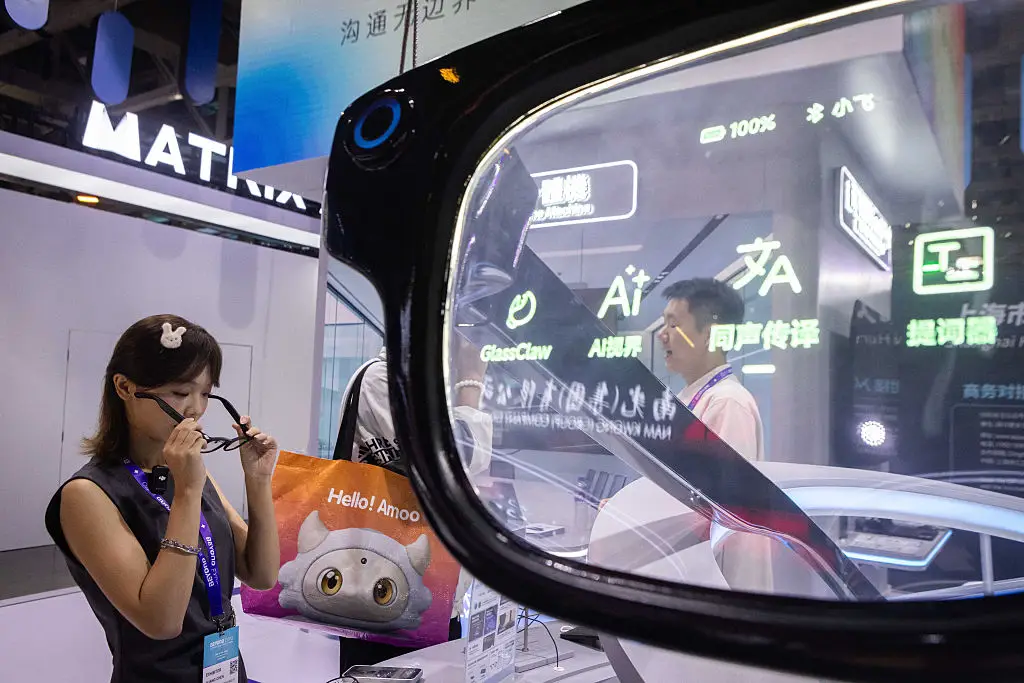
Despite Apple Vision Pro production being massively scaled back, we previously wrote how Cook is apparently 'obsessed' with developing augmented reality glasses.
According to Bloomberg's Mark Gurman, Apple is delaying the planned rollout of its own smart glasses due to privacy concerns, adding that “teams developing glasses within Apple's Vision hardware group and elsewhere in the company see privacy as priority No. 1."
Gurman maintains that Apple hopes to unveil its first attempt at 'smart glasses' at the June 2027 Worldwide Developers Conference, with further plans for a consumer release before the end of 2027.
The biggest stumbling block is ongoing concern about Meta's own smart glasses, which includes a class-action lawsuit and regulatory scrutiny.
Under the codename of N50, Apple’s first smart glasses were supposedly going to be revealed later this year and released in early 2027. Now, Apple's engineering and marketing teams are said to be "working to refine not only the product, but also the company’s privacy message."
He notes that while Meta deserves full credit for creating the first commercially viable smart glasses, the invention now comes with (unfairly or not) baggage involving privacy.
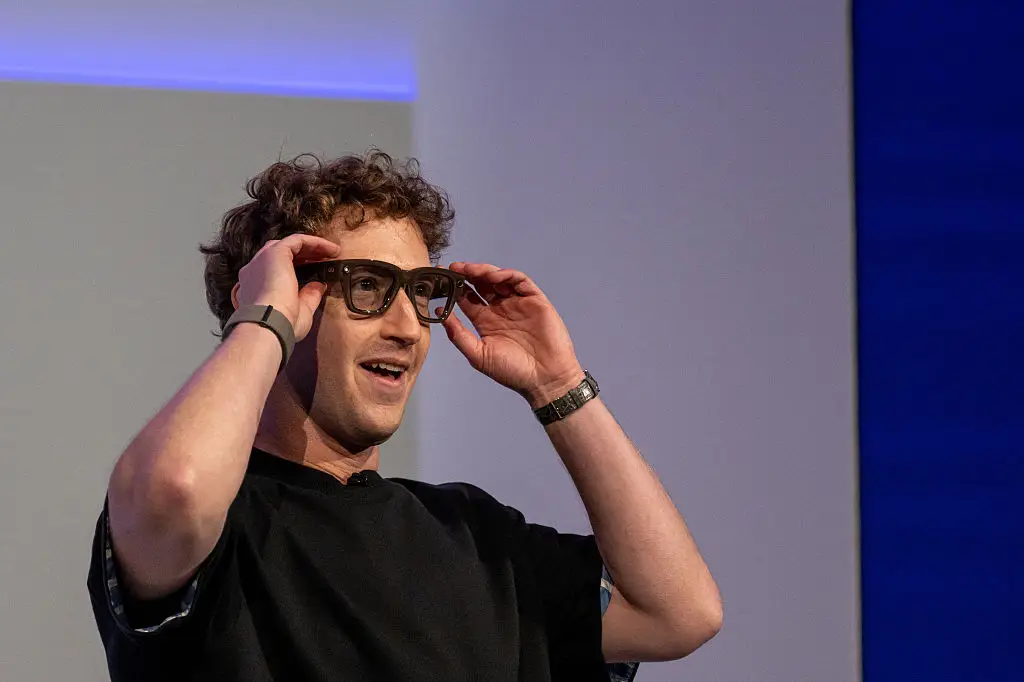
Gurman suggests that consumers remain uneasy around those who are wearing smart glasses, especially with fears they're being recorded in public or during private conversations.
Courtrooms in New York have banned smart glasses from being worn inside them, while some schools, gyms, and hospitals are among an increasing number of venues that are clamping down on their use.
Gurman argues that smartphones are more of a risk due to their high-resolution camera and video capabilities, although smart glasses have a stealth quality that makes them feel like a 'hidden camera'.
Meta has already attempted to combat privacy concerns by disabling recording if the recording light has been tampered with, but in general, the public opinion of smart glasses is split.
With Apple spending over a decade putting privacy at the core of its product messages, releasing smart glasses is in danger of undermining this carefully crafted reputation.
Still, if Apple can crack smart glasses while convincing consumers that privacy is still a top priority, it could be an untapped goldmine.
Privacy aside, the idea of hands-free access to Siri, all-day battery life, and ever-advancing AI right in front of our faces could see Apple truly take us into a new era.
If you fancy slipping on a pair of mythical Apple smart glasses, we'd probably start saving now.