
Meta reportedly set to launch divisive 'facial recognition' feature


Meta is reportedly looking to add a controversial new feature to its smart glasses, sparking concerns surrounding privacy and surveillance across social media.
While those who own the smart glasses are appreciative of their benefits, the newest collection of gadgets from Meta have already introduced a number of concerns when it comes to protecting people’s privacy.
We’re already living in a world where phones have the capacity to record everything you do when you leave the house, but the prospect of making that recording process even more discreet by ‘hiding’ the camera in a pair of glasses is frightening to many.
These issues became even clearer following a recent Super Bowl advert from Ring Doorbell, showing a new feature that uses AI within every nearby security device to find a lost dog, but the implications for surveilling people were obvious between the lines.
Advert

Now, a leaked internal memo obtained by the New York Times suggests that Meta is looking to do something similar with its range of smart glasses, although it has at the same time expressed an awareness of the privacy concerns.
There’s already a history of this issue within the company, as Facebook previously removed its facial recognition-based tagging system five years ago in search of the ‘right balance’ when it comes to privacy, yet that same conversation has now resurfaced with a new layer of fear.
According to the memo, Meta’s smart glasses would be able to take advantage of a feature known as ‘Name Tag’, where wearers can use AI facial recognition software to identify people that they’re looking at, and even get information about them in the process.
Two people involved with the planned feature indicated that Meta is exploring who should be identifiable by the software, with a possible suggestion being anyone connecting to a Meta platform on social media, including Facebook and Instagram.
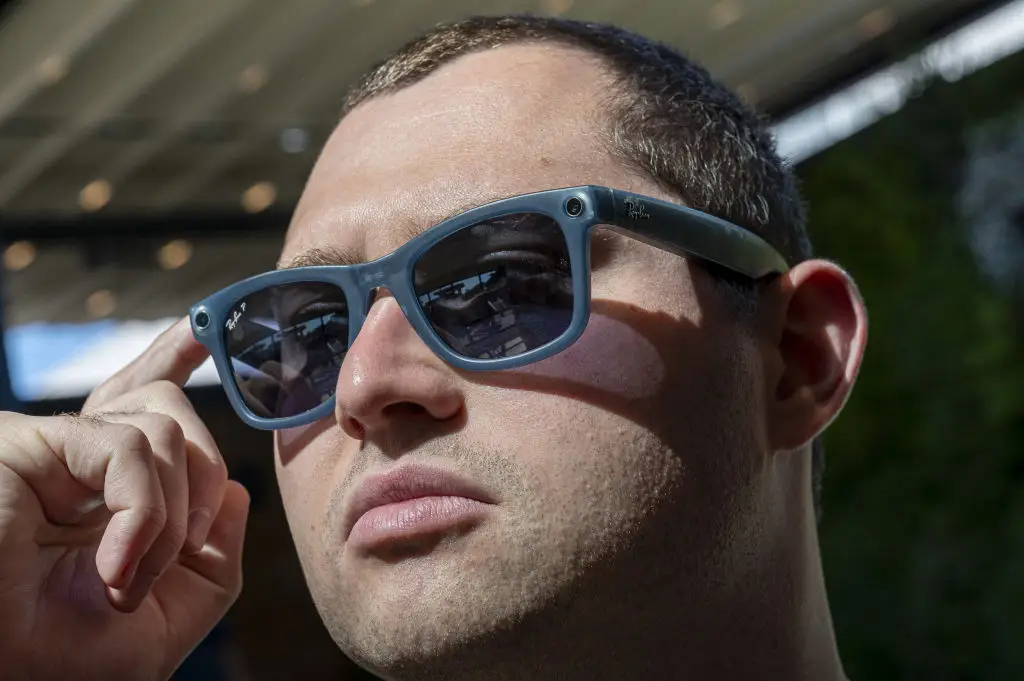
This would allow anyone to know who you are – perhaps including your full name and where you’re from – simply by looking at you if you’ve got a public account, which should immediately set off alarm bells.
The document notes that “we will launch during a dynamic political environment where many civil society groups that we would expect to attack us would have their resources focused on other concerns,” but notes an awareness of the “safety and privacy risks” that such a feature could propose.
Speaking to the Times, Nathan Freed Wessler of the American Civil Liberties Union remarked that “face recognition technology on the streets of America poses a uniquely dire threat to the practical anonymity we all rely on,” adding that features like this are “ripe for abuse.”