
Looking away from the road for 3.5 seconds will now trigger an alert as new vehicle rules come into law


A new EU ruling to reduce road accidents has sparked concerns over privacy as all new cars manufactured within the region will have to contain infrared cameras that trigger an alert when you look away from the road for more than 3.5 seconds.
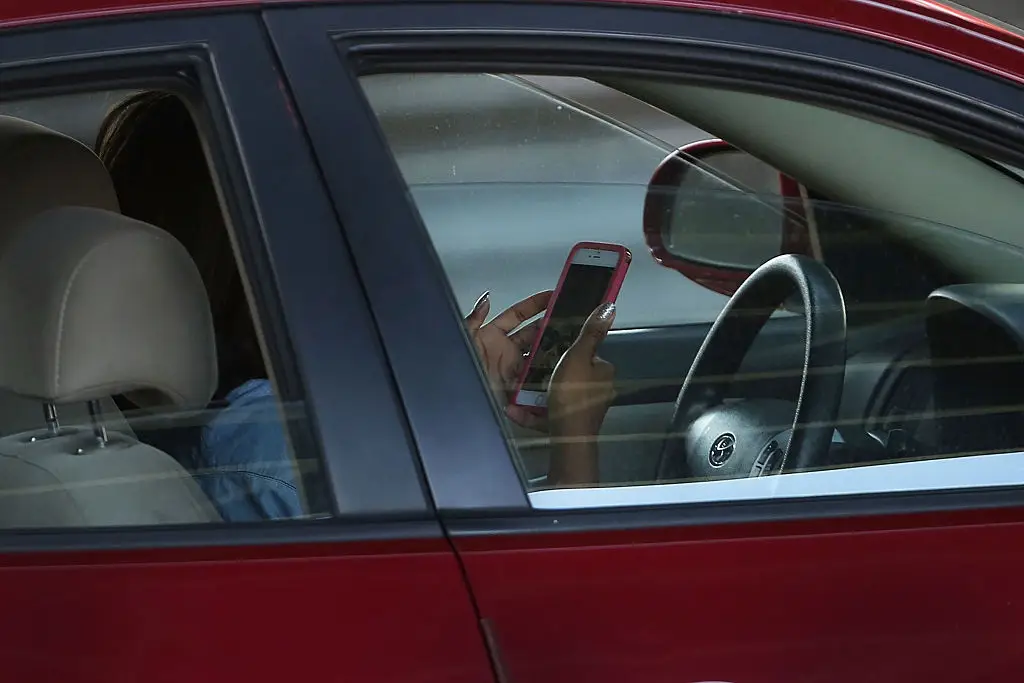
Distracted driving is one of the leading causes of road collisions and accidents, especially as a growing number of people have slipped into using their phones and scrolling on social media while behind the wheel.
While dystopian road cameras could perhaps play a role in catching people out who aren't fully focused on what's ahead of them, and self-driving technology is claimed by some to be the future when it comes to keeping people safe, one controversial new ruling from the European Union attempts to address the issue directly within the vehicles themselves.
New EU regulation sounds alarms when you stop looking at the road
As reported by All About Cookies, new regulation put into place by the EU mandates all new cars sold in European Union nations to include a driver monitoring camera from July 7, 2026 onwards.
This camera contains infrared technology that's capable of detecting when you become distracted, and if it deems your gaze to be focused anywhere other than the road for more than 3.5 seconds it will flash a warning light and sound an alarm to get you to become attentive once again.
Advert
The camera itself cannot be permanently turned off but it triggers as soon as your car's speedometer goes above around 20 km/h (12 mph), although the amount of time you need to be distracted for the alarm to trigger increases to six seconds at slower speeds.
As a result, the alarm won't trigger if you look away while you're stopped, but you'll need to remain focused if you're moving at any reasonable speed on the road to avoid the alert.
It sounds like a positive implementation in theory, especially as the warnings will hypothetically train people to avoid looking away over time and hopefully reduce the number of accidents that are caused by people who are not fully looking where their car is going, but it has raised a number of concerns among drivers.
What are the issues with the new regulation?
First and foremost are the privacy concerns that people naturally have when always-on cameras are introduced into technology, especially as neither the EU nor the car manufacturers have explicitly stated where the recorded footage will be stored or processed both when the alert triggers and in general.
Presumably recorded footage of you being distracted while driving could be used as evidence in the event of a road accident, but the prospect of having yourself recorded at all times when driving is certainly not appealing to many.

There is also the danger that alerts could in fact trigger more accidents, as the alarms and flashing lights could panic drivers and prompt them to make rash or dangerous decisions in response, with real-world testing suggesting that they could be overly sensitive and potentially distracting.
What this could also trigger is an increase in used car sales, as drivers look to avoid the privacy concerns that would arise from purchasing a new vehicle.
"Used car market about to boom?" questioned one user on X in response to the news. "I genuinely hope for dumb cars to make a comeback. Just give me knobs and tactile button," they added.
"The only thing on a screen should be GPS. Oh and the car shouldn't f***ing spy on me with a camera non-stop. Creepy dystopian control s***."