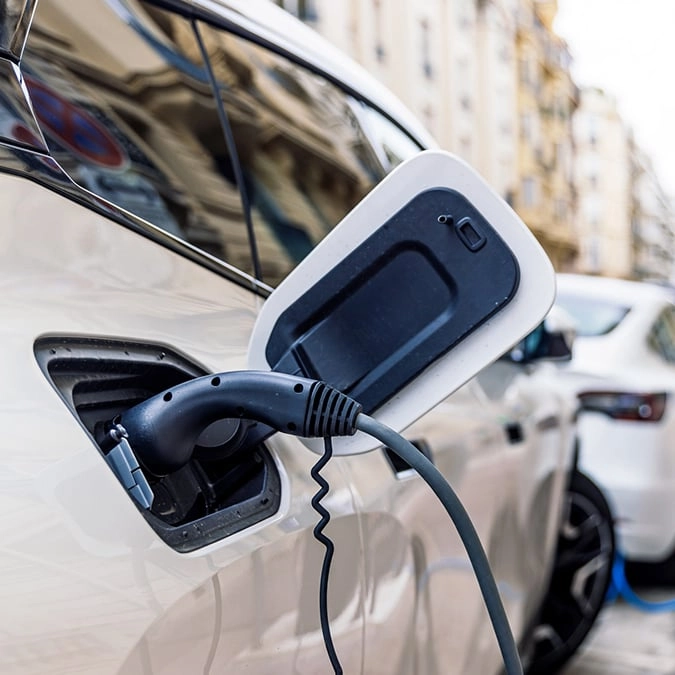
Electric vehicle calculator that's 'settling buyers' nerves' lets you see exactly how much money an EV could save you


An electric vehicle calculator is helping to ‘settle buyers’ nerves’ because it lets you see exactly how much money an EV could save you.
With the boom of the EV industry, many users have reportedly saved cash by swapping their gasoline guzzling cars for an electric alternative.
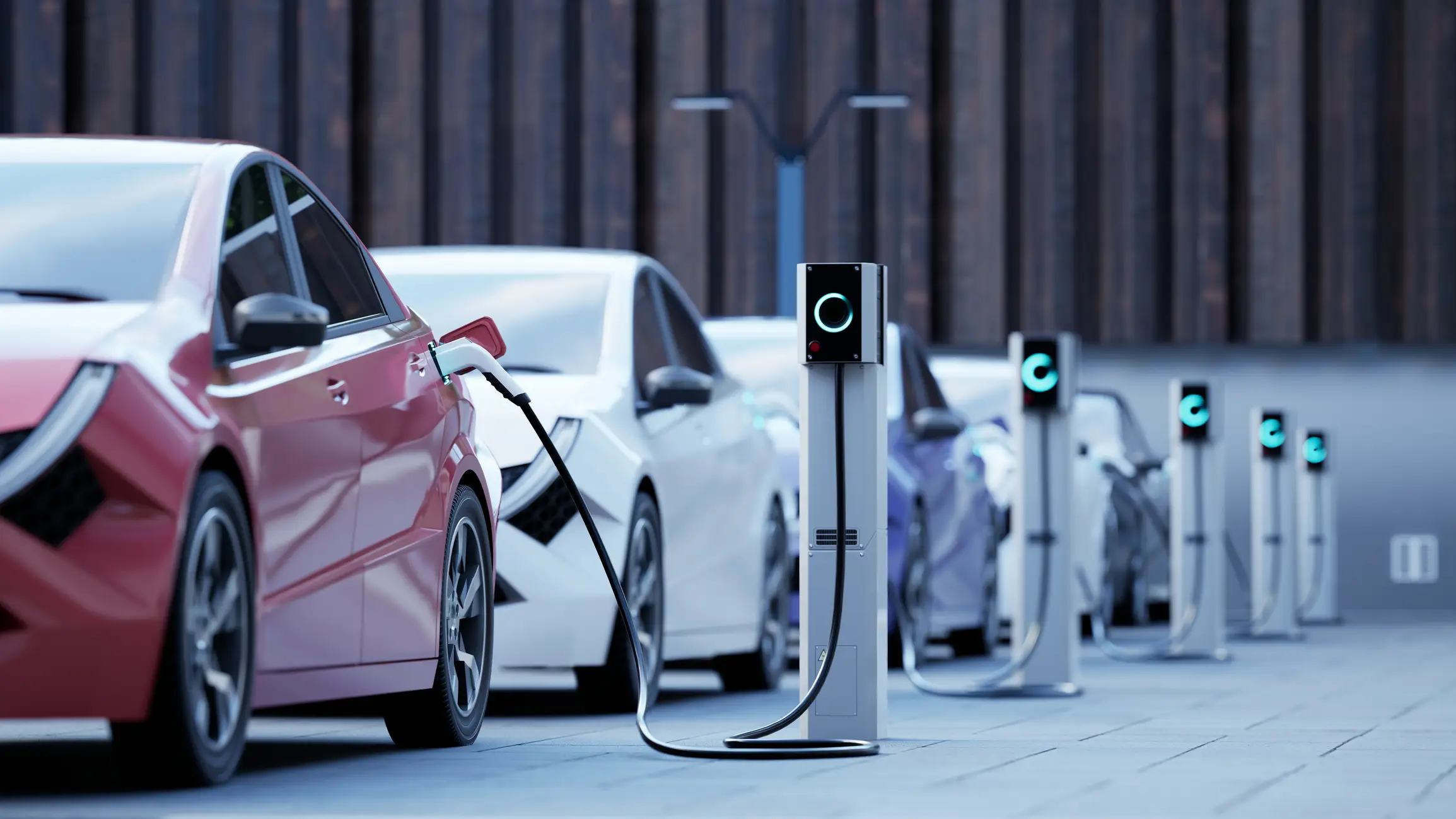
And now, people can calculate just how much they’re saving with a handy comparison tool which calculates the cost of running an electric vehicle per mile.
How does the EV cost calculator work?
All you have to do is input the vehicle efficiency and how much it costs to charge per kWh and the calculator will provide you with a sum.
Advert
For example, if your vehicle efficiency (miles per kWh) is 3.3 and the price of your charge is 50p ($0.67) per kWh, then the cost of running your electric vehicle per mile will be 15p ($0.20).
You can try the calculator out for yourself here: https://lwj.github.io/ev-toolbox/.
In other EV news, a rival to Tesla has unveiled a car that could completely change the electric vehicle industry.
In a world-first, the vehicle is able to fill up on power as fast as a tank of gas.
BYD is a car firm that has unveiled its new battery for electric vehicles that is able to charge up a car in around the same amount of time that it takes to fill up a tank of gas.
Named the Super E-Platform, the battery is four times faster than Tesla Superchargers, charging at a speed of 1,000 kW compared with Tesla’s 250 kW.
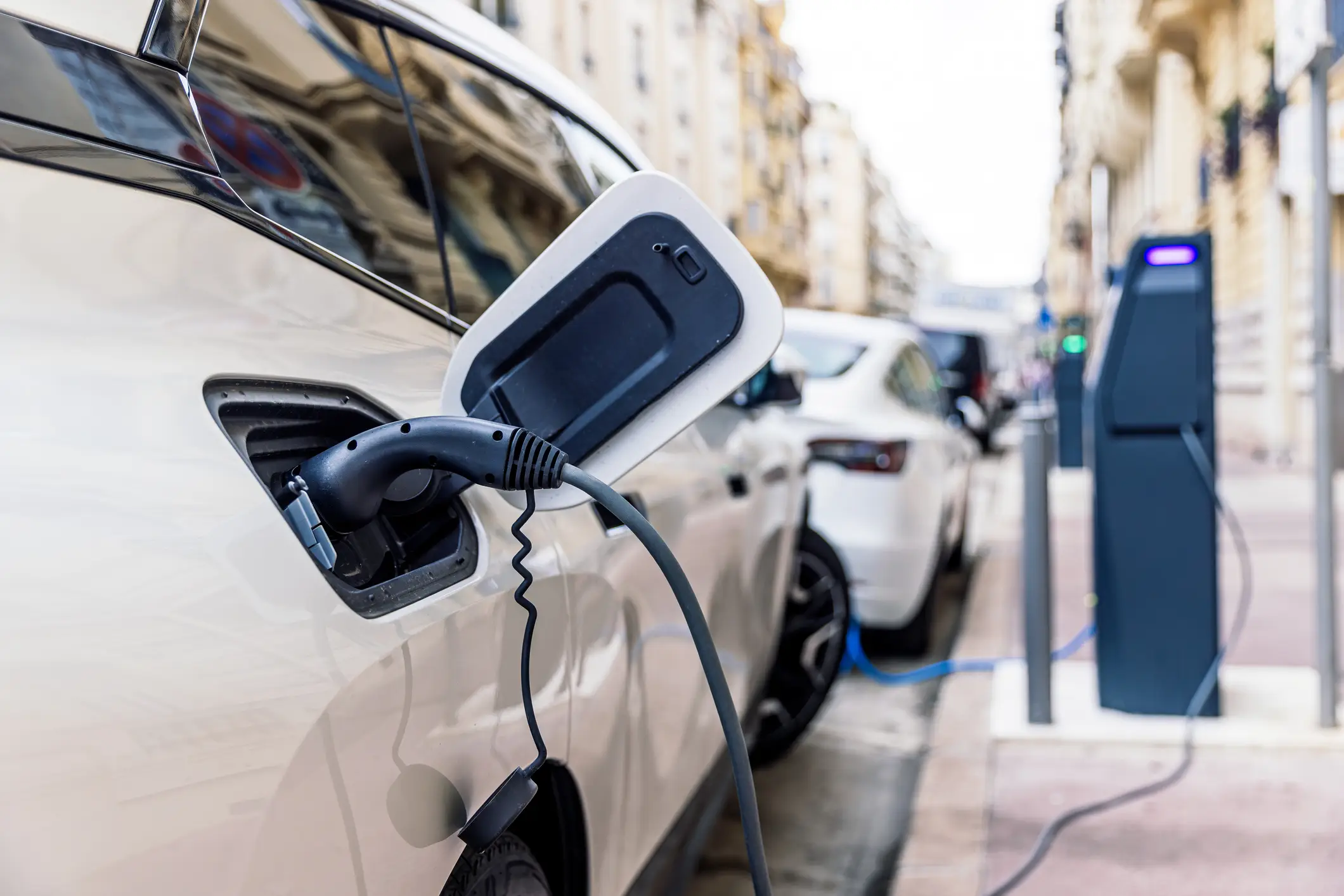
This means that with the BYD battery, you can clock up another 249 miles worth of charge in just five minutes.
The company revealed in a live stream from its headquarters in Shenzhen, China, that mass production of the new battery will ‘completely solve users’ range anxiety when traveling’.
While the super quick charging system will only be available to customers in China at first, it’s hoped that a global rollout will follow.
And demand for BYD is growing as it took Tesla’s crown as the world’s largest EV manufacturer last year despite not yet having a presence in the US.
According to data from the International Energy Agency (IEA), electric vehicles made up 18% of all of the new cars that were sold around the world in 2023.
Looks like it could be set to give Elon Musk a run for his money.