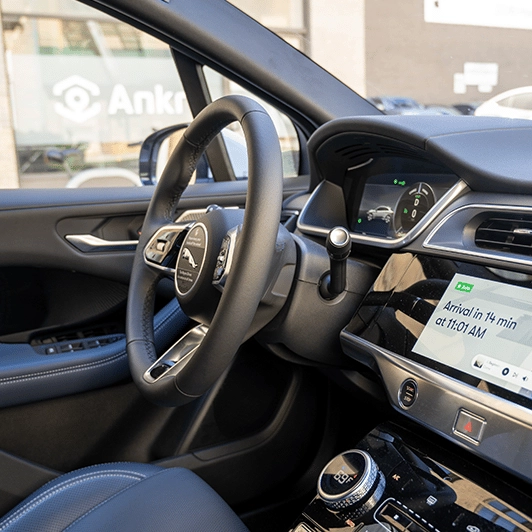
Self-driving cars found safer than human-driven except for 3 specific areas


Self-driving cars are becoming far more prevalent across the globe, but there are a few key areas where you still might want to consider sticking a human behind the wheel.
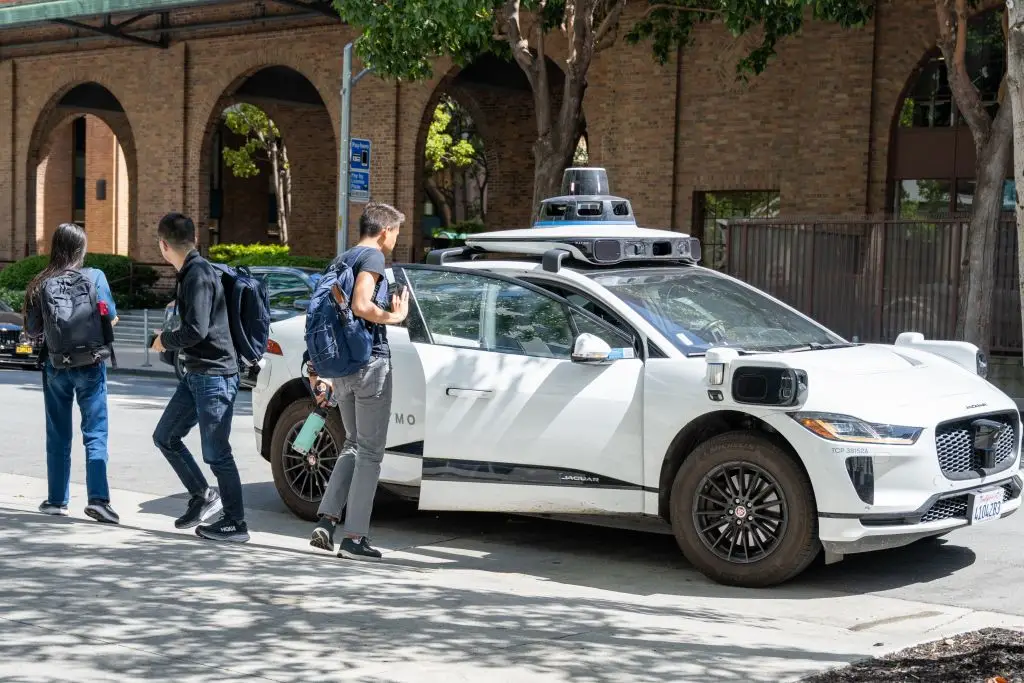
Driven by companies like Tesla and Google, 'autopilot' vehicles are very much a focus of future transportation, and seen as the next step after fully electronic cars become the norm.
While it had seemed like a distant reality over a decade ago, they are very much viable in the modern world - and surprisingly safe too.
Advert
There are still circumstances where they prove to be not quite as safe as their human-driven counterparts though, and a study conducted by researchers Mohamed Abdel-Aty and Shengxuan Ding have outlined the key areas to consider.
Pulling from accident data collected in California between 2016 and 2022, the study, as reported by New Scientist, considered 2,100 accident reports involving self-driving cars and 35,133 involving human-operated vehicles.
Statistical matching methods were then used to find links and connections between the two vehicle types, taking into account things like weather conditions, roads, and the time of day.
The conclusion of the study was the not only were self-driving vehicles safer on average, they also provided better environments for their passengers if the car was hit from the side or behind, which some might find surprising.
Three key areas where humans did it better though were situations at dawn, at dusk, and involving corners.
Crash risk for autonomous vehicles increased up to 'five times' when driving at dawn or dusk, and accidents involving turns were double that when compared to human-driven cars.
For dawn and dusk it's understandable that autonomous vehicles would struggle more in lower light conditions as appropriate sensors would be less effective.
The same is true for turning, which often involves rapidly changing scenarios that are hard for an autonomous system to predict, making it more likely that a newly introduced variable such as a rapidly approaching car would be more difficult to deal with on the fly.
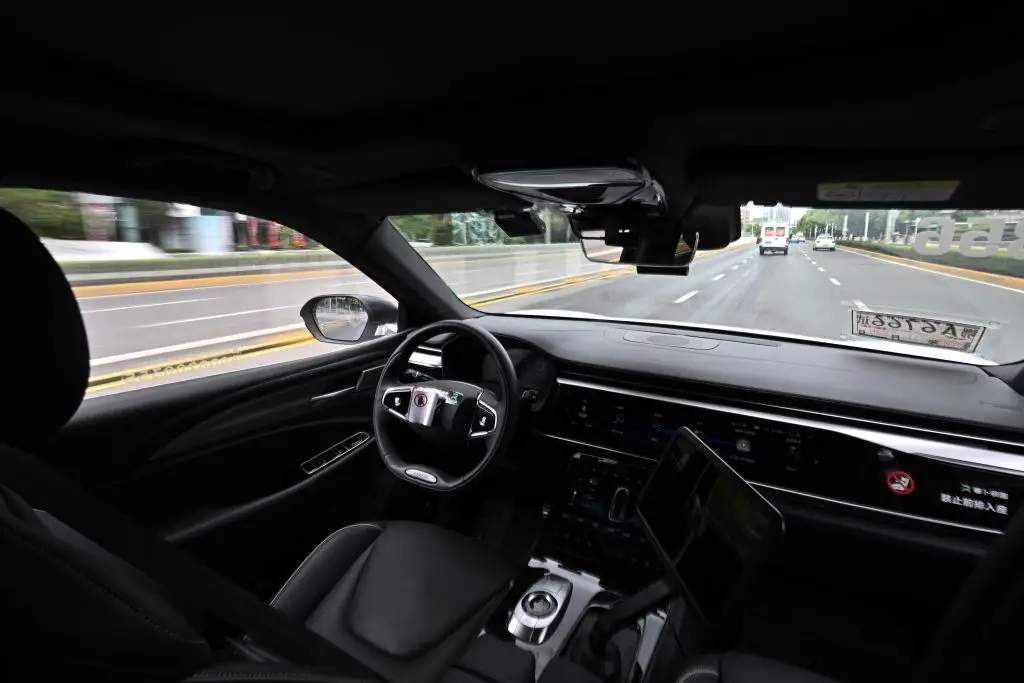
Things could be on the cusp of improving dramatically though, as a new material has been discovered that could create miniscule atomic clocks. These would greatly enhance the accuracy and safety of self-driving cars in difficult situations, which would in theory eliminate all three current concerns.
What remains difficult at the moment though is the cost of the ingredient, which sits currently at around $140 billion per gram, making it impossible to integrate into consumer technology at the moment.
The authors of the study have also warned against the possible unreliability of the data, as the statistics for autonomous vehicles are still small - especially in comparison to human-driven ones.
This could be used to benefit either side, with some warning that self-driving manufacturers could created 'biased reporting' that favors their vehicle type, whereas others could argue that the small sample size creates a disparity that goes against autonomous cars.
We won't be able to tell for sure until they become a larger and more common part of daily road usage, but that still might be quite a way away for now.