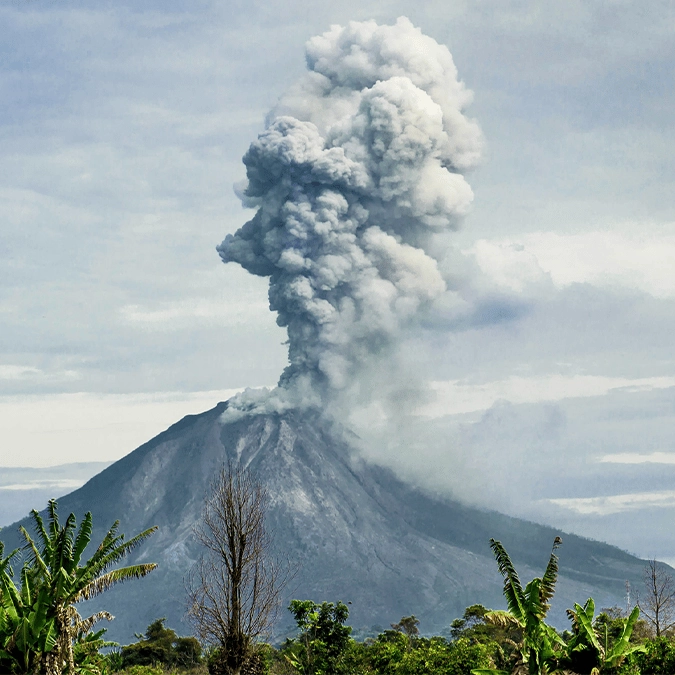
YouTuber explores how 4,000 people live on Japan's most active volcano that erupts hundreds of times a year


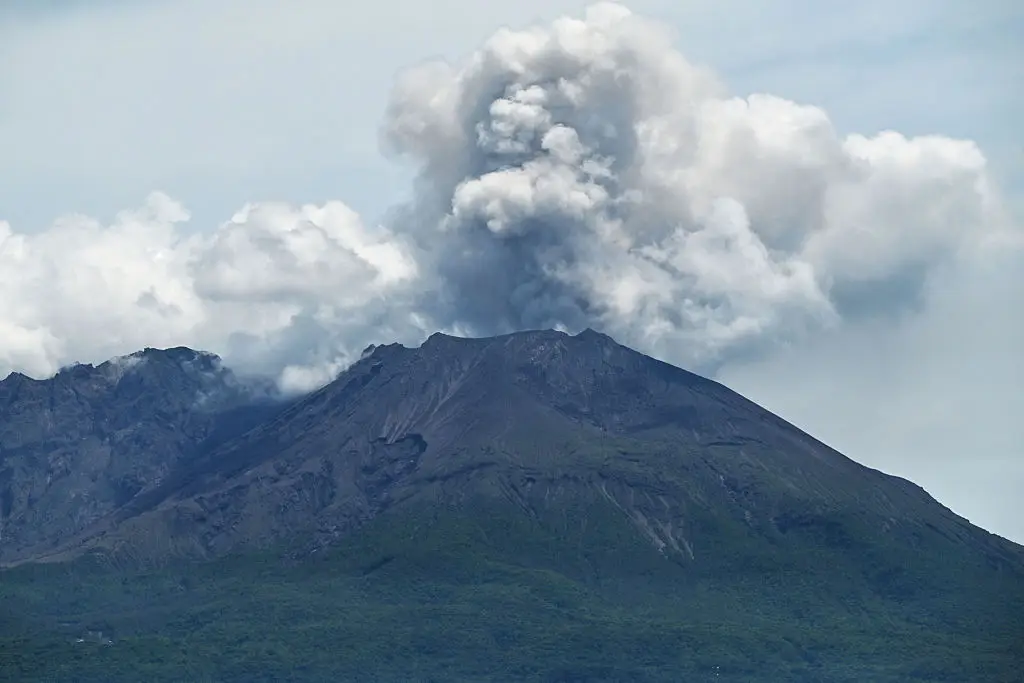
You're always running the risk of catastrophe when choosing to live near a volcano – active or not – yet over 4,000 residents continue to carry out their lives in the shadow of Japan's most active volcano, as it erupts over 1,000 times per year.
Sakurajima, referred to also as 'Cherry Blossom Island', is a stratovolcano and the most notorious of its kind in Japan after it became home to the most powerful eruption in the country's modern history back in 1914.
58 people tragically died as a result of the natural disaster, and it continues to remain active with regular eruptions every day since then, yet thousands of residents still live on the island without fear of what an impending threat could do to their lives.
What's more, scientists from Bristol University traveled to the island a decade ago to study the volcano, and estimated that an eruption rivalling that of the 1914 event could happen again in the next 30 years.
Advert
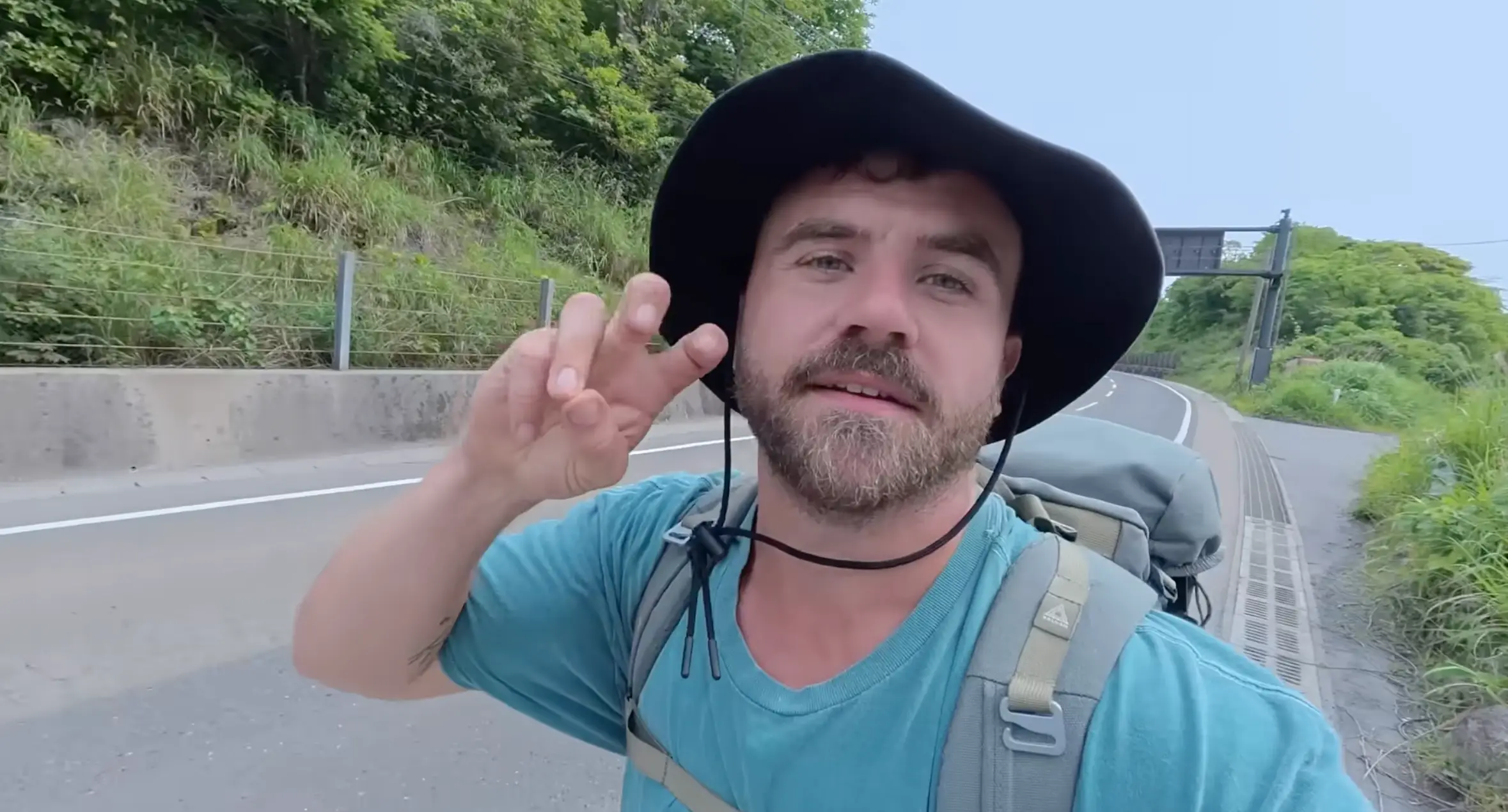
Attempting to understand exactly what keeps people living on the island despite the immense threat, YouTuber Mike Okay – who is known for his wild travel-oriented videos from across the world – traveled to Sakurajima to walk around the island.
Speaking to the residents, he discovered that most, if not all, are unperturbed by the ongoing eruptions and looming danger, even if the daily occurrences are often little more than smoke and ash emerging from the volcano's apex.
One resident who gave him a giant komikan orange – one of the island's signature foods – revealed her experience having lived on Sakurajima since birth:
"Every day when I wake up, the first thing I check is where the ash is going. Other than that, [it's] not really [dangerous]," she illustrated.
"We're used to eruptions, so we don't really worry that much even when it erupts," the woman continued. "It's not that we're scared, because the monitoring systems are really well developed.
"So if there's going to be a major eruption, probably before that happens we'll be guided to evacuate, so we feel pretty safe."
One unexpected positive impact of the volcano's activity is how it transforms the soil, which allows the residents to grow unusually large vegetables, including a notable form of daikon radish which is bigger than anything that could be produced on Japan's mainland.
There will, of course, come a time when a potentially devastating eruption occurs, yet residents continue their lives as normal despite the reminder of danger that's constantly in view.