Tech giants issue stern warning after UK bans social media for all under 16s


Tech giants including YouTube, Snapchat and Meta have responded to the new social media laws coming into action in to the UK with a stern message, warning it risks pushing children into more dangerous corners of the internet that aren't regulated properly.
Six months after Australia became the first country in the world to ban social media for under-16s, the UK has decided to follow suit. Despite few expecting the British government to move quite so quickly, Prime Minister Sir Keir Starmer has now made it official for young UK users.
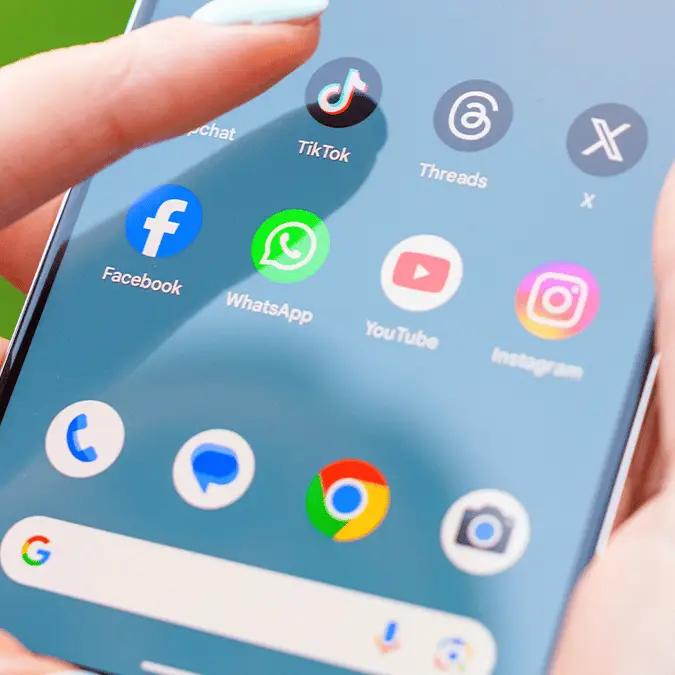
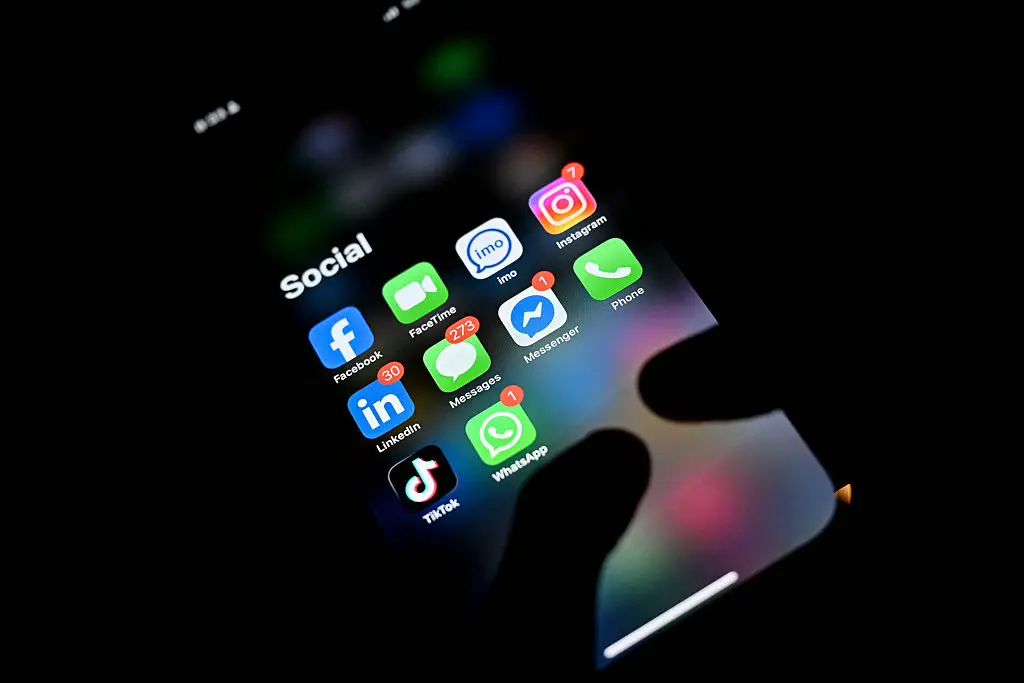
Under the new rules, platforms including Instagram, Facebook, TikTok, Snapchat, YouTube, and X will be required to prevent under-16s from accessing their services or face harsh consequences.
The young users will be blocked from downloading those apps and from livestreaming themselves online while under-18s will face separate restrictions on romantic AI chatbots designed to simulate sexual relationships.
Advert
Meanwhile, WhatsApp and Signal have managed to escape the ban as they class themselves as messaging apps rather than social media platforms.
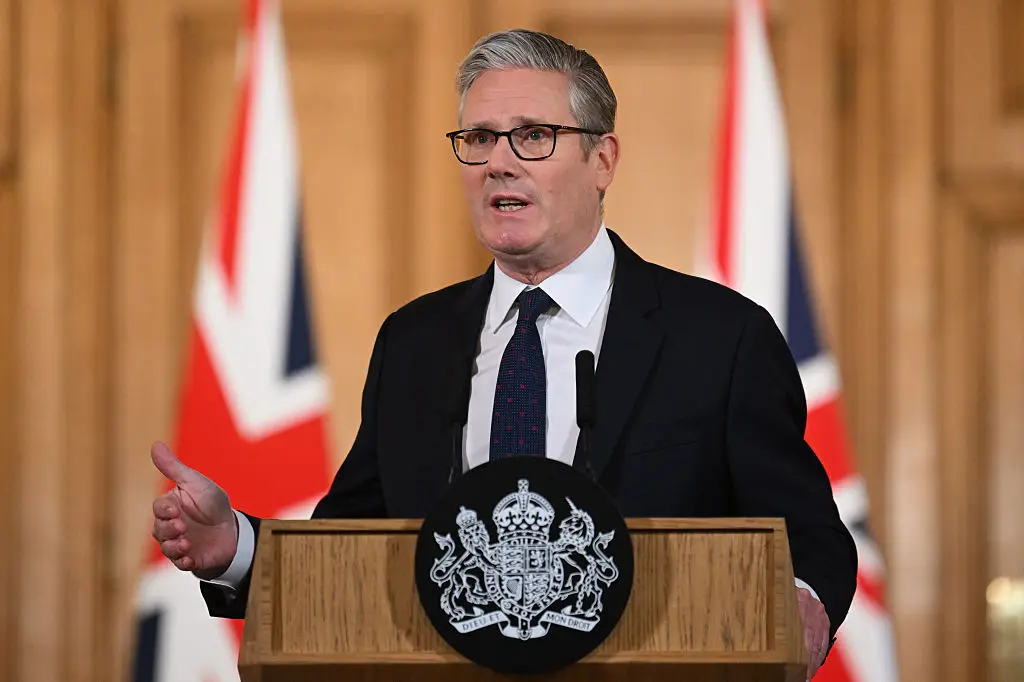
Starmer announced the ban at a Downing Street press conference yesterday (15 June), with allies suggesting that if he's removed from office in the coming weeks, this will form a key part of his political legacy.
“Social media is making children unhappy, it’s making it easier for bullies to harass and abuse them, and it could even be harming their mental health,” Starmer said.
“I do not accept, and I will never accept, that you can’t be both pro-tech and AI, and at the same time say we must protect our children.”
MPs had already been pushing the government to act, arguing that tech companies had proven themselves incapable of self-regulation and that intervention was the only solution.
However, Meta, YouTube, and Snapchat have all spoken out against the ban, arguing that rather than protecting young people, it risks pushing them towards more dangerous corners of the internet.
“As we’ve seen in Australia, bans risk isolating teens from online communities and information, and driving them to unregulated alternatives that lack built-in protections and parental controls,” a spokesperson for Meta explained.
YouTube added: “Blanket bans push kids out of such curated, supervised, beneficial experiences and towards anonymous, less-safe services.”
Similarly, Snapchat noted: “Because the majority of time spent on Snapchat is in private messaging between friends and family, an outright ban that disconnects teens from those relationships doesn’t make them safer – it may simply push them to less safe platforms.”
The ban is also set to introduce separate restrictions on online products such as gaming apps, including removing the option to chat to strangers, with PlayStation already bringing its own set of rules for younger users.
“This is not something I do lightly, and I will not present it as cost-free, as if social media has [brought no] benefits to young people, because clearly that is wrong,” Starmer said. “But government is always about choices, and it’s clear to me that a total ban is the right choice.”