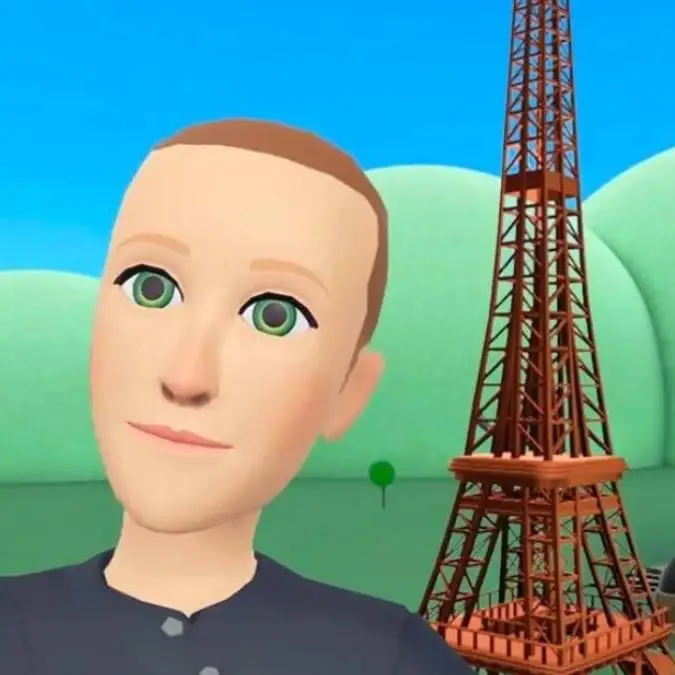
Meta is officially shutting down its $80,000,000,000 product just five years after launch


Just five years after Meta invested a whopping $80 billion into a bold new project, it looks like Mark Zuckerberg is pulling the plug on one of its most futuristic ventures yet.
Meta has found itself at the centre of multiple controversies lately, including CEO Mark Zuckerberg appearing in court to address whether his social media platforms are intentionally addictive.
Meanwhile, the tech company is planning to introduce a contentious new feature to its AI smart glasses, raising concerns about privacy and surveillance across the social sphere.
Following the trend of discontinuing tech sooner than expected, users will now have to say goodbye to one of Meta's popular VR experiences.
Advert
An email notification sent to users reveals that Meta will officially discontinue Horizon Worlds on its Quest VR headsets.
The decision follows Meta's substantial downsizing of its Reality Labs division in February, which resulted in laying off 10% of the VR department's workforce.
Come March 31, Horizon Worlds will no longer be available in the Quest store, while some Meta Credits, avatars, digital clothes, and in-world purchases will also be removed. The VR world will then shut down entirely on June 15, with it only being available as a mobile app.
Horizon Worlds was Meta’s ambitious entry into the metaverse, eventually leading the company to rebrand from Facebook to Meta in support of its VR aspirations.
Despite being widely mocked in its initial announcement, Horizon Worlds soon became popular among younger users.
Meta threw tons of money at the platform, bringing in major brands and big-name acts like Imagine Dragons and Coldplay for virtual shows. Yet, Horizon Worlds never caught on as much as VRChat did, where people attended virtual concerts and political events.
“Meta’s pivot on Horizon Worlds is the predicted and inevitable outcome of a big, risky bet that never found an audience,” explained Mike Proulx, vice president and research director at market research firm Forrester, in an email statement to WIRED. “Meta was trying to solve for a consumer problem that doesn’t exist.
“You can’t build a mass social platform reliant on hardware most people neither own nor want to wear for more than short bursts.”
It continued: “We have a robust road map of future VR headsets that will be tailored to different audience segments as the market grows and matures.
“And Meta remains the single biggest investor in the VR industry. Why? Because we believe in VR as a critical technology on the path to the next computing platform.”
According to Anshel Sag, a principal analyst at Moor Insights & Strategy (via WIRED), the decision was 'inevitable.' He said: “It seemed like they were trying to stretch it out by pushing it out to mobile, but realistically, it's been dead for a while. I really think that it should have given up a long time ago.”
The parent company of Instagram and WhatsApp hopes to restructure its VR strategy to better compete with rivals.
The VR space also includes the Samsung Galaxy XR, which debuted in December with the new Android XR platform, and ByteDance's Pico, which is expected to release its Project Swan headset later this year. Apple's Vision Pro also got a performance bump with an M5 chipset upgrade last fall.