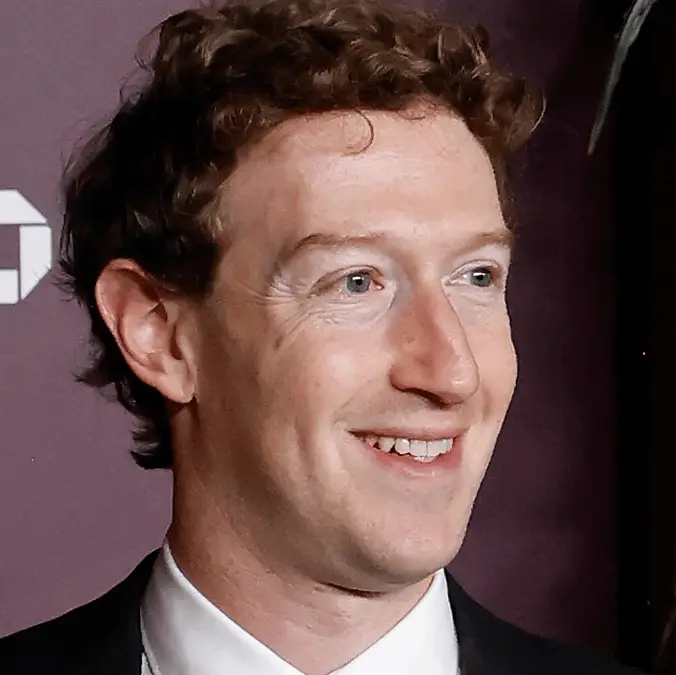
Meta's Mark Zuckerberg to face jury to find out if social media is really addictive


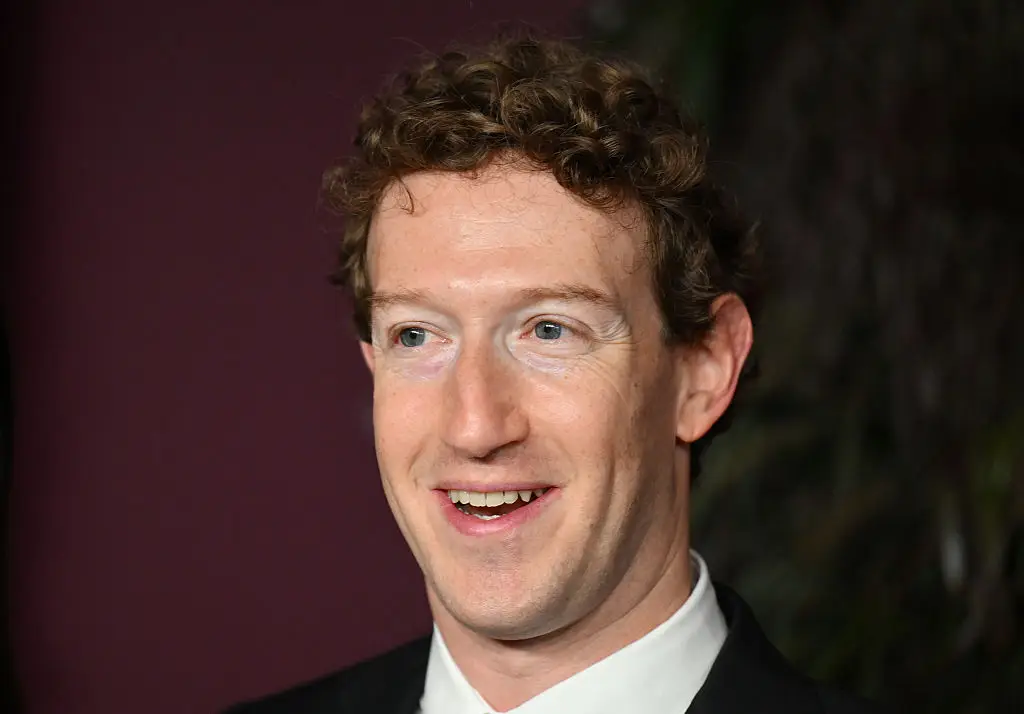
Mark Zuckerberg is set to face lawyers this Wednesday amid claims that social media platforms are inherently addictive, and it could have significant ramifications for how these services operate in the future.
Recent years have seen an increase in lawsuits placed directly against social media platforms from the users themselves, as there has been growing pressure for companies to moderate their services amid concerns regarding children.
Several parents have already launched a landmark lawsuit against short-form video platform TikTok after their children tragically died participating in a dangerous trend that they claim was pushed through the algorithm, and a new lawsuit aims to interrogate the addictive nature of social media as a whole.
Advert
Previous legal challenges have already asserted that it takes little more than 35 minutes for people to become 'addicted' to platforms like TikTok, and Meta CEO Mark Zuckerberg is now set to be challenged on the specific features that apps like Facebook and Instagram have in relationship with the issue.
As reported by NPR, lawyers challenging Zuckerberg have proposed that these services operate as 'defective products' that are designed as 'digital casinos' for young people, with attorney Mark Lanier issuing a damning opening statement.
"These companies built machines designed to addict the brains of children," Lanier alleged, arguing that "they did it on purpose."
The key plaintiff in this case is 20-year-old California resident Kaley, referred also by her initials 'KGM', who claims that she became addicted to social media platforms at just 6-years-old, noting that it worsened her depressive and suicidal thoughts.

She has already received settlement payouts from TikTok and Snap – Snapchat's parent company – although it is important to note that this doesn't necessarily indicate any wrongdoing on the part of either company.
Nine out of the twelve jurors in the case involving Zuckerberg have to be in agreement in order to reach a verdict leaning in either direction, but if it does go KGM's way it could create shockwaves.
Not only would this impact the roughly 1,600 pending social media addiction related cases currently awaiting trial, as this would serve as a test case, but it could also force through reforms that would transform the platforms that billions use daily.
Heavily criticized features like the infinite scroll, auto play, and the way that algorithms work altogether could face significant scrutiny, and it could be the ruling that changes social media as we know it, and hopefully for the better.