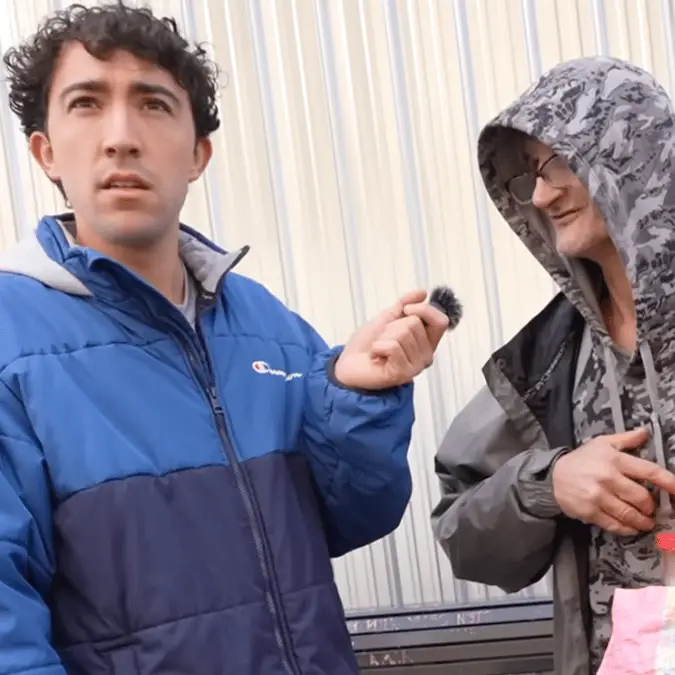
YouTuber went into the city where every drug is legal and recorded everything he saw


Warning: This article contains discussion of drug addiction which some readers may find distressing.
Decriminalization of drugs is something that has been widely considered by some across the globe but only implemented by a number of countries and cities, and one YouTuber explored a major location that made the change to see its effects.
While many might be immediately taken aback by the prospect of making all drugs legal, there are certainly arguments for the change — especially those related to the health and safety of drug users.
Some claim that it would understandably provide a much clearer pathway towards potentially dangerous drug use for individuals, yet the idealist perspective suggests that legalization ensures that a regulated supply is provided, and one that remains as 'safe' as it possibly can be.
Advert
In practice, however, it depends entirely on the application of these laws and practices from governments and health officials, with some areas being more successful than others.
One of the most high profile locations that implemented these laws was British Columbia, a major Canadian province and home to the city of Vancouver.
The changes were put in place on January 31 across a three-year trial period, permitting the personal possession of small amounts (combined total less than 2.5 grams) of specific drugs, including opioids, cocaine, methamphetamine, and MDMA.
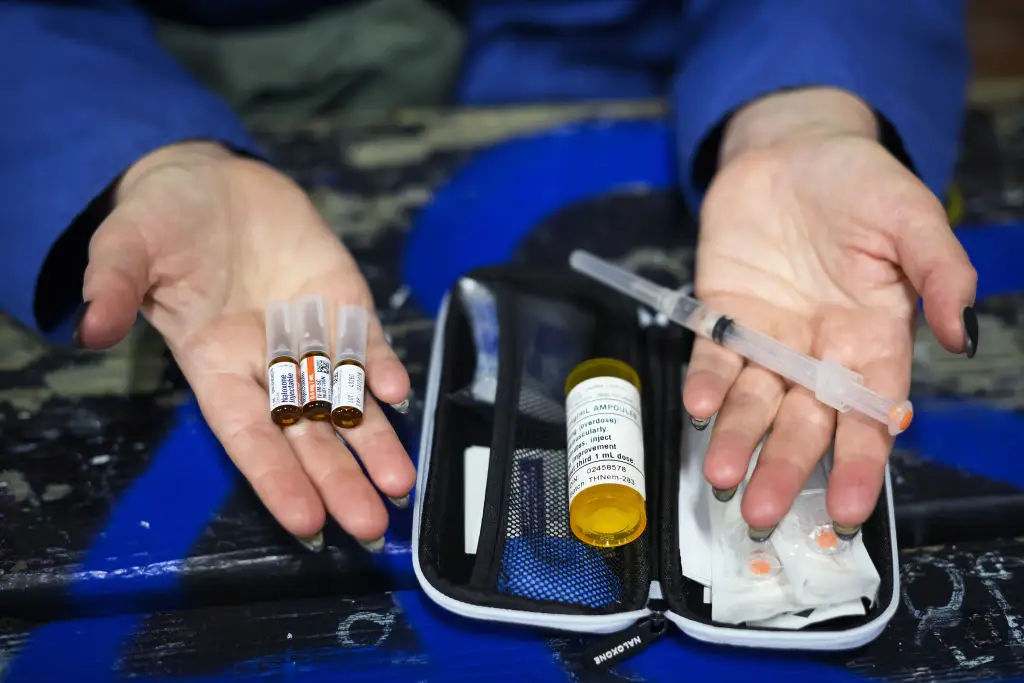
It's still illegal in some places like schools or airports, but there are also a number of supervised injection sites that provide safe needles and the supervision of medical professionals.
Tyler Oliveira, a YouTuber known for exploring intriguing parts of the world, teamed up with independent journalist Kevin Dahlgren to film Vancouver – particularly on East Hastings Street – and witness the legalization of drugs first-hand.
He shares footage of countless people that appear to be high on drugs, alongside speaking to individuals who previously supported legalization efforts but have since changed their minds.
"It's terrible, I mean it's the whole harm reduction thing that started it all anyways. I was all for it to stop the harm reduction," noted one individual on the street, but he now claims that it hasn't worked as "they totally went the wrong way."
Oliveira also spoke to Elenore Sturko, a member of British Columbia's Legislative Assembly, as she's one of the politicians looking to repeal the legalization of drugs following the expiration of its three-year trial period.
"There's a huge different between what [other countries] are doing and what's being done here," Sturko claimed, adding that the "government is only telling half the story and they've only put half the work in."
She also noted government's efforts are like "trying to bake the same pie as everyone else, but you don't use the same ingredients, it's not going to turn out the same."
Residents of British Columbia will be aware that the government has decided to not extend the trial for the drug decriminalization project, with it expiring at the end of last month.
As reported by the BBC, British Columbia Health Minister Josie Osborne explained that the decision was made because it "hasn't delivered the results that we hoped for," noting that it "is difficult, if not even possible" to evaluate whether the program actually did more harm than good for those suffering from an opioid addiction.