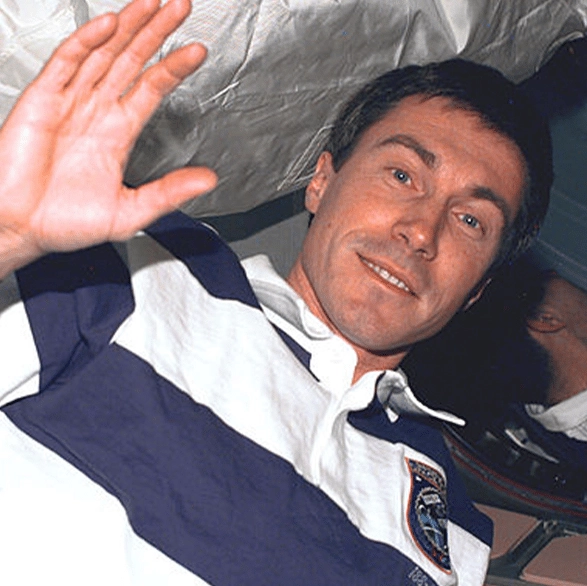
Bizarre reason why Soviet Union cosmonaut was left stranded in space for 311 days


For those who grew up during the 70s and 80s, the fall of the Soviet Union was one of the most defining moments of our childhood.
Aside from the vast earthquake that the fall of the Soviet Union caused in politics, the event had some lesser-known impacts on individuals.
One of those affected in an unusual way was Soviet Cosmonaut Sergei Krikalev.
The Space race had of course been a central part of the cold war between the USA and Soviet Union.
Advert
What started with the launch of the Soviet Satellite Sputnik started a fierce rivalry ultimately culminated with the Apollo 11 mission that put humans on the moon for the first time.
By 1991, Soviet Cosmonauts were working alongside European and American scientists and NASA astronauts on join missions.
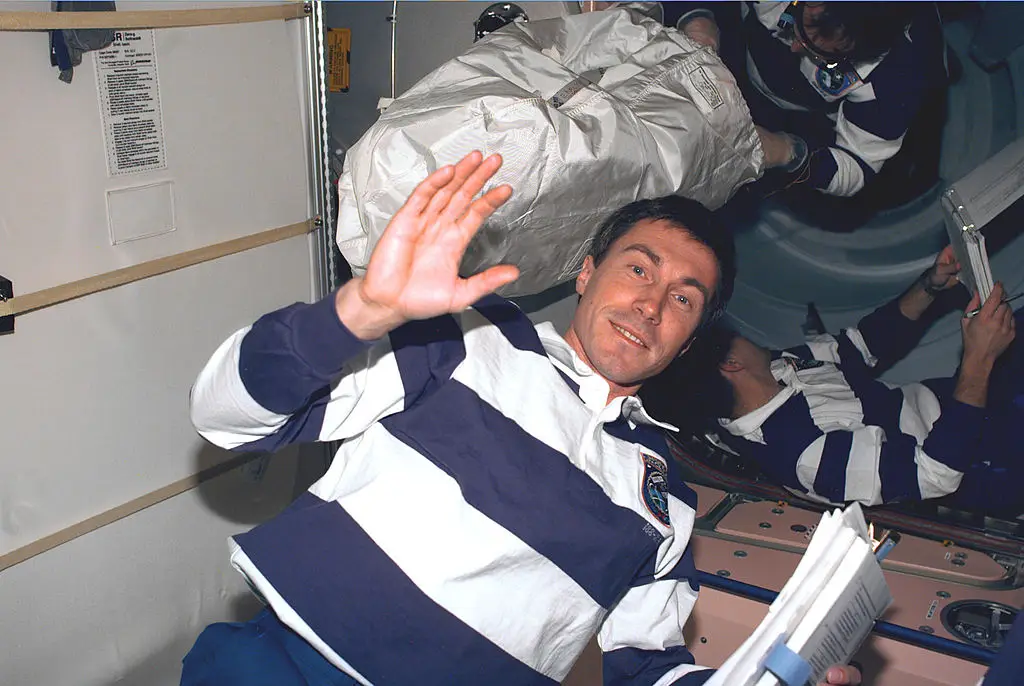
One such mission involved Krikalev, another Soviet scientist named Anatoly Artebarsky and British scientist Helen Sharman aboard space station Mir.
The collapse of the Soviet Union had an unanticipated affect on Krikalev, which resulted inn him being unexpectedly forced to stay aboard Mir for ten months – twice the amount of time originally planned.
The reason for this was because Krikalev was a native of Kazakhstan. In 1991 that country had just gained independence, but as a result the country was cut off from the financial systems and money that had previously been provided by the Soviet Union.
With his home country flat broke and trying to cope with the demands of being a newly independent country, Krikalev was aware his situation would not be at the top of the priority list.
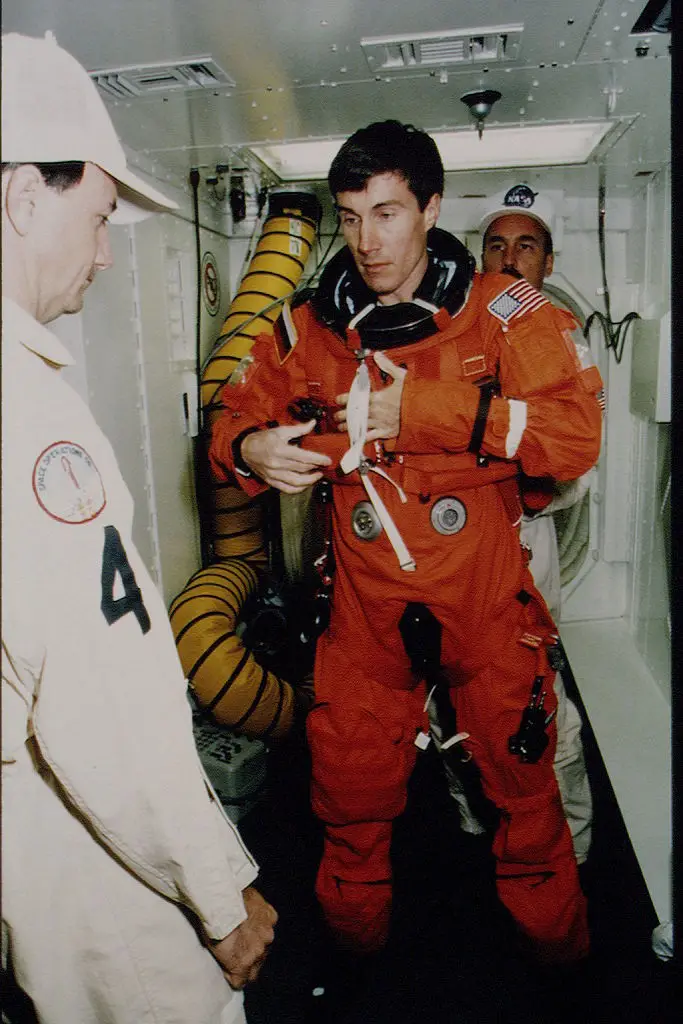
Despite the toll it took on him mentally and physically, Krikalev expressed his understanding of the situation the new Kazakhstan found itself in: “The strongest argument was economic because this allows them to save resources here. They say it’s tough for me - not really good for my health. But now the country is in such difficulty, the chance to save money must be top priority.”
Sergei Krikalev was given the moniker of ‘The last Soviet Citizen’ as a result of his situation. Eventually, after 311 days in space, Krikalev was allowed to return home on March 25, 1992.
Despite his over-extended period in space, Krikalev’s passion of space travel was undiminished.
He took several more trips to the stars before finally retiring in 2009. By then, he had logged a total of 803 days, nine hours and 38 minutes in space.