uniladtech homepage
  • News
    • Tech News
    • AI
  • Gadgets
    • Apple
    • iPhone
  • Gaming
    • Playstation
    • Xbox
  • Science
    • News
    • Space
  • Streaming
    • Netflix
  • Vehicles
    • Car News
  • Social Media
    • WhatsApp
    • YouTube
  • Advertise
  • Terms
  • Privacy & Cookies
  • LADbible Group
  • LADbible
  • UNILAD
  • SPORTbible
  • GAMINGbible
  • Tyla
  • FOODbible
  • License Our Content
  • About Us & Contact
  • Jobs
  • Latest
  • Archive
  • Topics A-Z
  • Authors
Facebook
Instagram
X
TikTok
Snapchat
WhatsApp
Submit Your Content
Neil deGrasse Tyson issues warning to the government as NASA officially upgrades threat level of asteroid

Home>Science>Space
Published 09:37 19 Feb 2025 GMT

Neil deGrasse Tyson issues warning to the government as NASA officially upgrades threat level of asteroid

The asteroid's threat level is reportedly at 2.6%

Rebekah Jordan

Rebekah Jordan

google discoverFollow us on Google Discover
Featured Image Credit: StarTalk / YouTube
Science
Space
Nasa
Earth

Advert

Advert

Advert

An astrophysicist is warning of the imminent threat level of a giant asteroid that could hit Earth in 2032.

While NASA officials and other experts hoped that better tracking would lower the odds of impact instead, the opposite has happened.

The estimated risk of the space rock hitting our planet has jumped from 2.3% to 2.6%.

Former astronaut and International Space Station commander Chris Hadfield compared the asteroid to a 'giant grenade' flying through space.

Advert

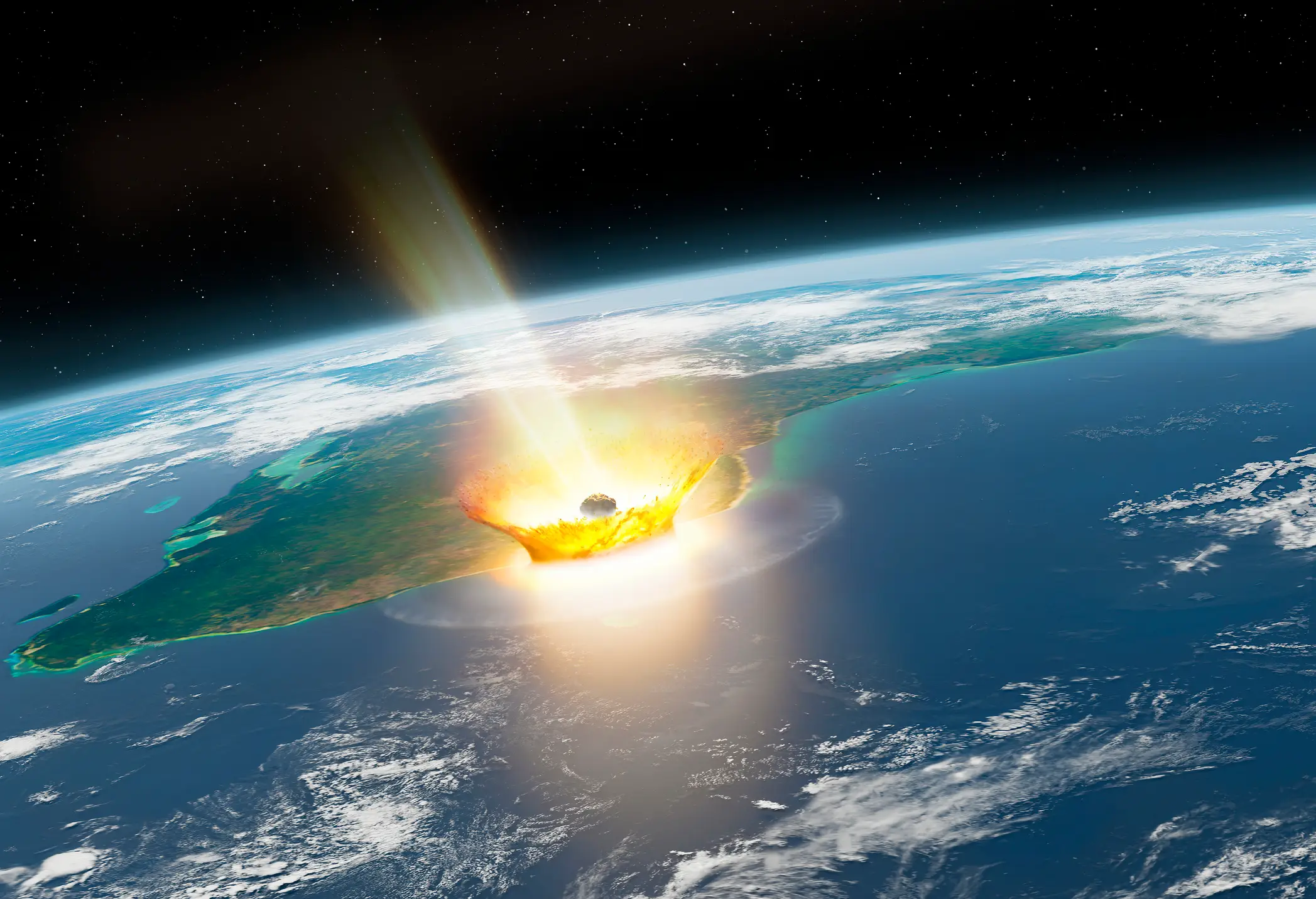
It’s estimated to be just 60 to 100 metres across, but the energy released if it hit Earth would be 500 times more powerful than the atomic bombs dropped on Hiroshima in World War II.

Hadfield explained that the asteroid’s high velocity of around 17 kilometres per second would cause shockwaves and intense heating as it travels through the atmosphere.


At the moment, mansion-sized Asteroid 2024-YR4 has a one-in-fifty chance of hitting Earth in the next eight years.

Now might be a bad time to reduce spending on Science. Just sayin’. pic.twitter.com/hzmIjEJRBr

— Neil deGrasse Tyson (@neiltyson) February 15, 2025

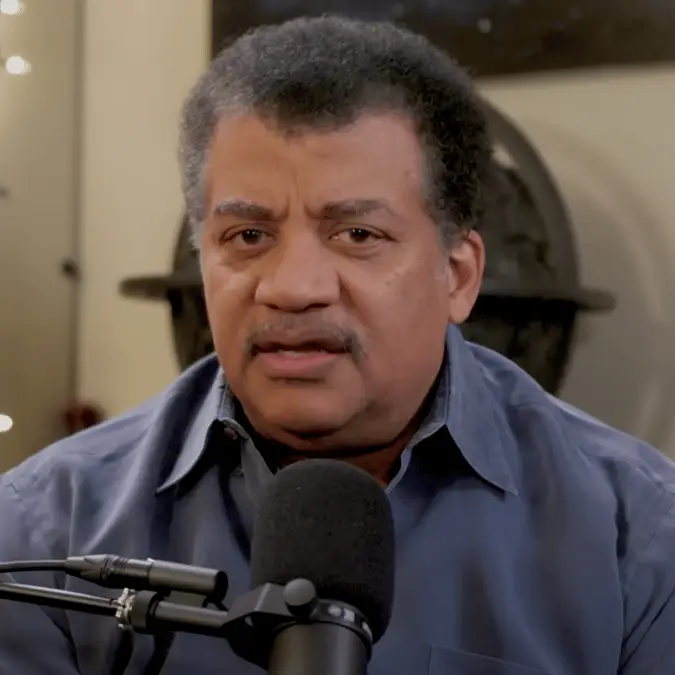
Now, astrophysicist Neil deGrasse Tyson is warning that the lack of government spending on science has come at a bad time.

"At the moment, mansion-sized Asteroid 2024-YR4 has a one-in-fifty chance of hitting Earth in the next eight years," he posted on X.

"Now might be a bad time to reduce spending on Science. Just sayin’."

The threat level of the asteroid is reportedly at 2.6% and increasing according to another X account rawsalerts.

They posted: "NASA officials now report a 2.6% chance of an asteroid striking Earth in 2032, up from 2.2% yesterday and previously at 2.4%.

"This equates to a 1 in 38 chance of impact, with a 97.4% likelihood that the asteroid will miss. The asteroid is estimated to be between 130 and 330 feet in diameter.

"The highest risk assessment an asteroid has ever received was 2.7% in back 2004."
MARK GARLICK/SCIENCE PHOTO LIBRARY / Getty

And it doesn't stop there. NASA's Molly Wasser, outreach coordinator for the Goddard Space Flight Center, said it is possible the 'impact possibility will continue to rise.'

She added: “As more observations of the asteroid’s orbit are obtained, its impact probability will become better known.

"It is possible that asteroid 2024 YR4 will be ruled out as an impact hazard […] It is also possible its impact probability will continue to rise."

The European Space Agency (ESA) projects that if the space rock does hit the ground, it will do so on 22 December 2032 with a 'risk corridor' home to more than 100 million people.

NASA’s James Webb Space Telescope is monitoring 2024-YR4, gathering essential data before it moves too far away in April.

Choose your content:

7 hours ago
11 hours ago
a day ago
  • NASA/Southwest Research Institute
    7 hours ago

    SETI combs 74 million radio signals for final verdict on interstellar 3I/ATLAS 'alien tech'

    The mysterious comet was scanned with intriguing results

    Science
  • NASA/Bryan Allen via Getty
    11 hours ago

    NASA's $1 billion plan to destroy ISS explained after astronauts put on 'evacuation alert'

    The station's 25-year stay in space is coming to an end soon

    Science
  • Douglas Sacha / Getty
    a day ago

    Worrying 'ominous blob' spotted by meteorologists poses a major risk to several US states

    Weather experts have cautioned about growing storms in America's southwest

    Science
  • Mitchell Pettigrew/Getty Images
    a day ago

    ‘Godzilla’ El Niño thought to be imminent as Atlantic Ocean recorded to be 5°C hotter than usual

    The El Niño is expected to ‘influence weather and climate patterns around the world in the months ahead’

    Science
  • NASA releases new images of 'super El Nino' as massive 1,000km 'wave' moves across Pacific
  • The ISS is 'bleeding' again as NASA engineers brace for 'catastrophic failure'
  • NASA is using a sneaky legal loophole to quietly carve up real estate on the Moon
  • NASA stunned as Sun broadcasts mysterious radio signal for 19 days straight