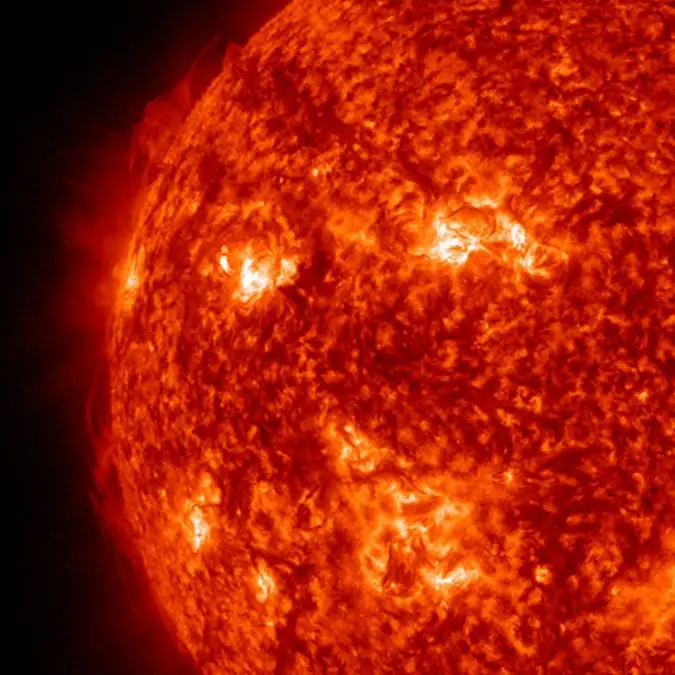
Featured Image Credit: SDO
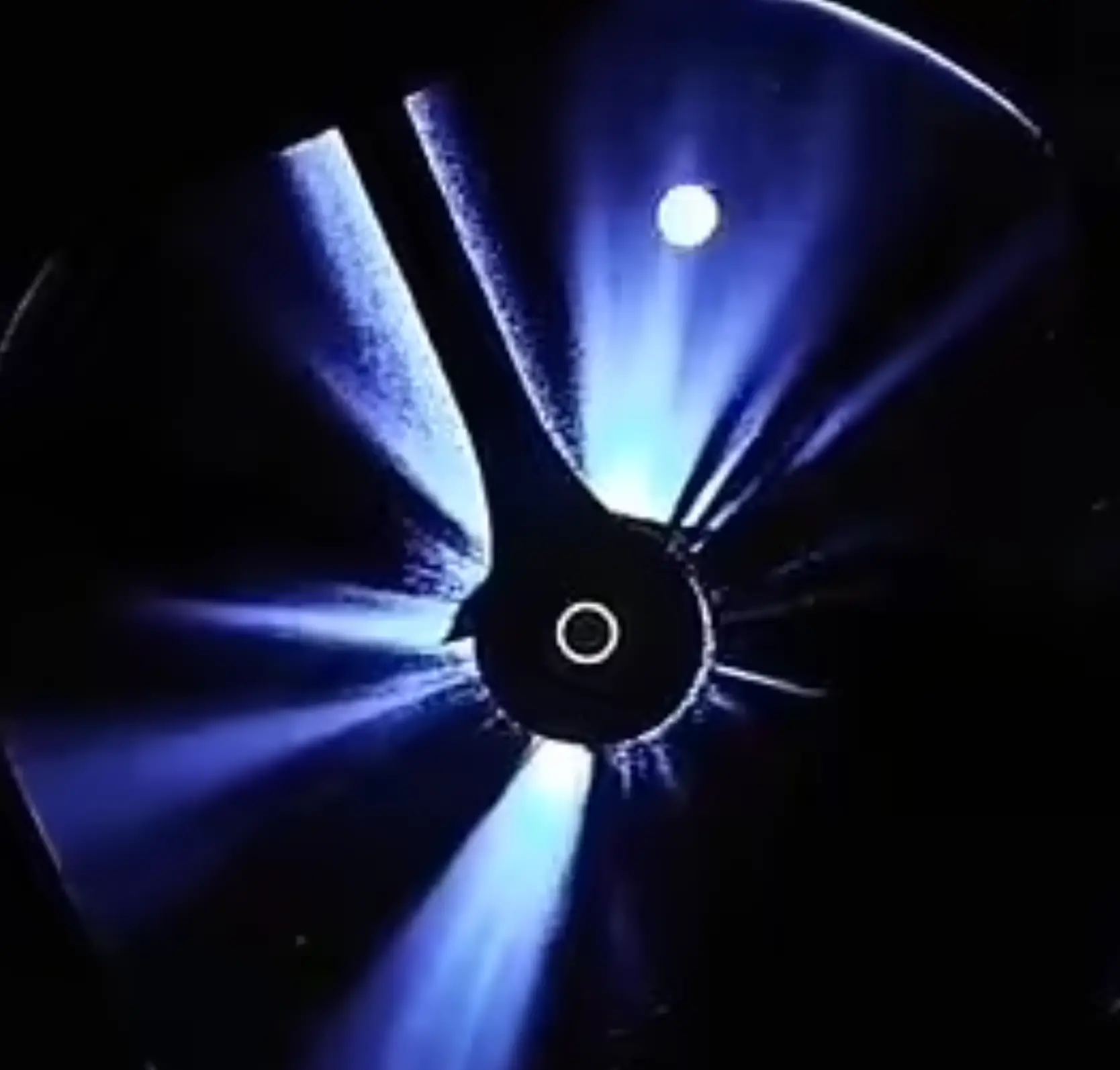
A NASA video of a puzzling ‘orb’ soaring past the sun has been captured.
The footage has sparked some ‘crazy’ UFOs theories from viewers who spotted the strange object.
NASA released the video of the sun which has since gone viral after it showed a large ‘orb’ traveling past.
This has captured the imagination of viewers with some conspiracy theorists claiming that it could be a UFO.
Advert
This has been argued due to the fact that the object ‘stopped, hovered for a bit, moved closer to the sun’ and then disappeared completely.
Many people have taken to social media to share their own reactions to the video.
While some speculated that the orb could be the moon, one user on X, formerly Twitter, wrote: “Bro that's not the moon. I was watching the moon in the sky and it didn't do this.”
Another said, ‘I wonder if that was the cause of this’, sharing an article of the recent power outages in Spain and Portugal.
And a third person added: “I guess we’ll just have to settle for no answers — and watch this get swept under the rug, just like the obvious UAPs we see every day.”
The video in question was captured on Sunday (April 27) from the GOES-19 satellite’s CCOR-1 instrument, which is operated by the National Oceanic and Atmospheric Administration (NOAA).
The purpose of the shot was to record solar activity happening last week and it’s bad news for UFO fans, because it looks like there is a rational explanation for the ‘orb’.
While it was always highly likely that the object would simply be space debris or an instrument artifact rather than extraterrestrial life, it looks like it isn’t either of those things.
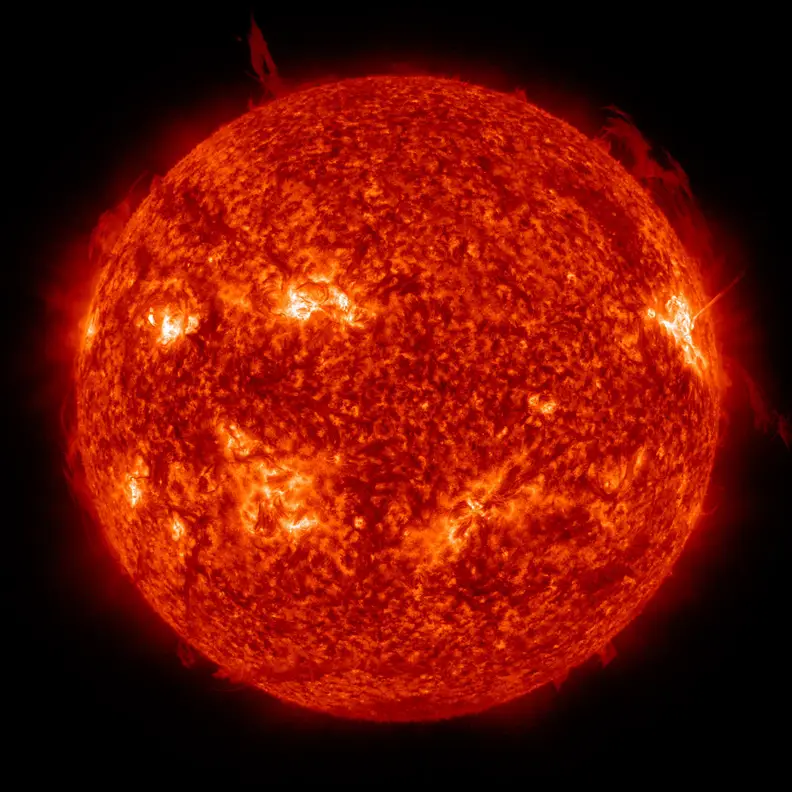
Instead, it was the moon eclipsing the sun in ‘lunar transit’, which is something that is only visible in space.
NASA has been closely monitoring the sun’s activity as it reached its solar maximum which is the time where it experiences its greatest solar activity.
The surge has resulted in solar storms and made the northern and southern lights visible in places where they are not usually spotted so easily.
Now that the sun has reached the end of its 11-year cycle, its magnetic field will flip, beginning its shift toward solar minimum, which hasn’t happened since 2013.
It’s not immediate but instead is a gradual transition, as Ryan French, who is a solar astrophysicist and Space.com contributing writer, spoke to Space.com, and said: “In short, there is no specific 'moment' in which the sun's poles flip. It’s not like the Earth, where the flip is measured by the migration of the North/South pole.”