
Testosterone expert reveals fatherhood physically shrinks men’s brains but that might be a good thing


The topic of testosterone continues to be a hot one in 2026, while the internet is awash with manosphere voices telling us we're not getting enough and how we can get more.
Whether it's abstinence to apparently boost testosterone levels, warnings that playing GTA 6 could rob your body of testosterone, or the surprising effect weight loss drugs could be having on how much testosterone you have, it’s proof that some people continue to worry about what it is and whether they have enough.
Then again, with reports that testosterone levels have halved in the past 50 years, is it any wonder?
Now, one expert has discussed the potential impact that fatherhood has on testosterone, with the bizarre reveal that becoming a dad supposedly shrinks your brain. While the term 'brain shrinkage' definitely sounds scary and like something that wouldn't have any benefits, Dr Darby Saxbe argues it's actually the other way around.
Why does fatherhood shrink a man's brain?
Advert
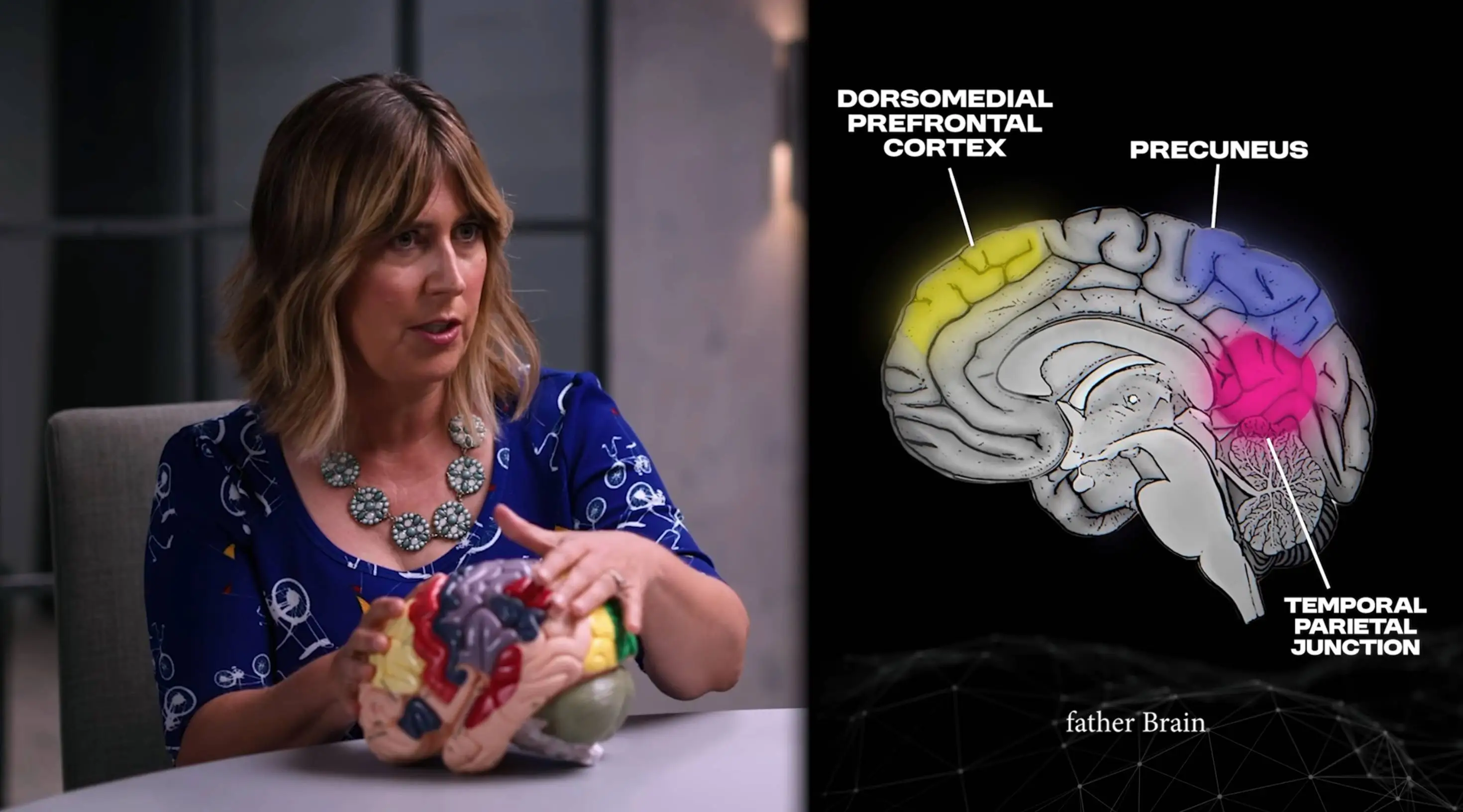
Speaking to Steven Bartlett on the Diary of a CEO podcast, Saxbe explained the science behind why there is a shrinkage in brain matter volume in both mothers and fathers. The parts that shrink most are around the midline of the cortex and are known as the 'mentalizing network, meaning new fathers lose areas that help us understand people's feelings and intentions.
There's also notable shrinkage in the visual areas at the back of the brain, which help us analyze a child's face and try to figure out what they want.
Men are specifically affected in terms of higher-order thinking, reasoning, and executive functioning, with Saxbe adding: "That tells us something about fatherhood, which is that fathers choose to engage in parenting. It's a sort of cognitively mediated investment that dads are making."
Still, losing certain pathways apparently helps us turn our brains into a superhighway of processing power.
Through lab tests, Saxbe has concluded that the more time a father spends with their baby and the more bonded they are together, the more brain shrinkage they're susceptible to.
Could brain shrinkage be a good thing?
Referring to 'mommy brain' and how mothers can often seem more forgetful, Saxbe also said that 'shrinkage' isn't a bad thing: "Volume reduction is not a bad thing. What it means is that the brain is actually working more efficiently because it's building better connected pathways and better channels for communicating information."
Explaining how our brains are reshaping, Saxbe added: "It's kind of like if you think about the director's cut of a movie that has lots of interesting extra scenes and characters, and then you watch it in the theater, and it's like this lean, mean two-hour cut, right? Many of us prefer the theatrical release because it's easier to follow."
Getting rid of certain parts of the brain allows us to focus better on what's important, and when it comes to parenthood, that's our children.
Although there might be an implication that men are losing their empathy, Saxby said they're actually becoming more "efficient processors of social information."

Basically, brain shrinkage is adaptive and helps men settle into parenthood.
Elsewhere, she discusses the idea that testosterone levels drop when men become fathers. Studies show that testosterone levels can drop by as much as 25%, with one potential reason being proximity to a partner and the fact that a woman's body produces less testosterone when pregnant.
Saxbe concluded: "Our lab found expectant dads and expectant moms had correlated levels of testosterone during pregnancy. And the more strong that relationship was, the more dad showed a drop in testosterone after birth.”
As for whether men need to be worried about lower testosterone, she reiterated that testosterone fluctuates throughout our lifespan, and we don't always want to be 'maxed out' on testosterone because it decreases our sperm count and can be bad for our immune systems.
Even though there's a correlation between a man's testosterone and muscle mass, Saxbe confirmed it's not a one-to-one relationship. So there you have it, shrinking brain volume and low testosterone aren't concerns that should be keeping a man up at night.