Scientists alarmed as Antarctica records ‘absolutely crazy’ winter temperatures 20°C above normal


Experts have been left alarmed after records show that Antarctica has experienced ‘absolutely crazy’ winter temperatures which are 20°C (68°F) above normal levels.
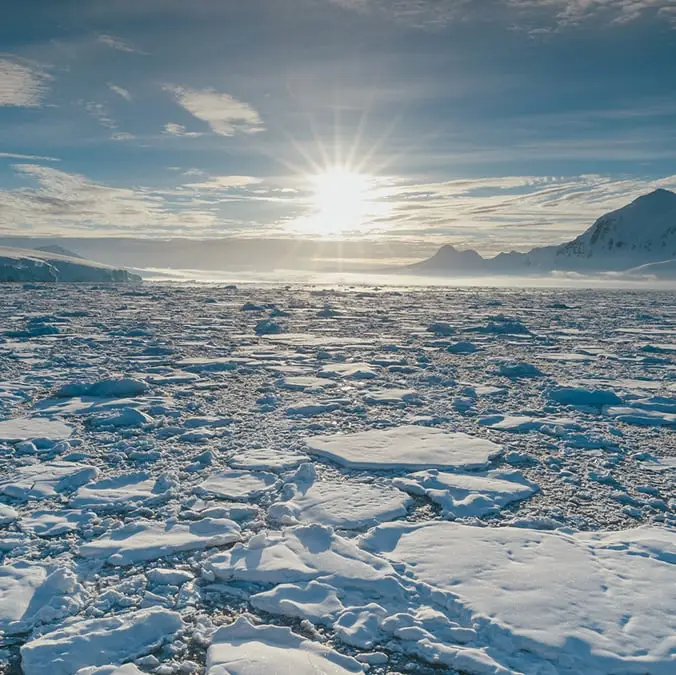
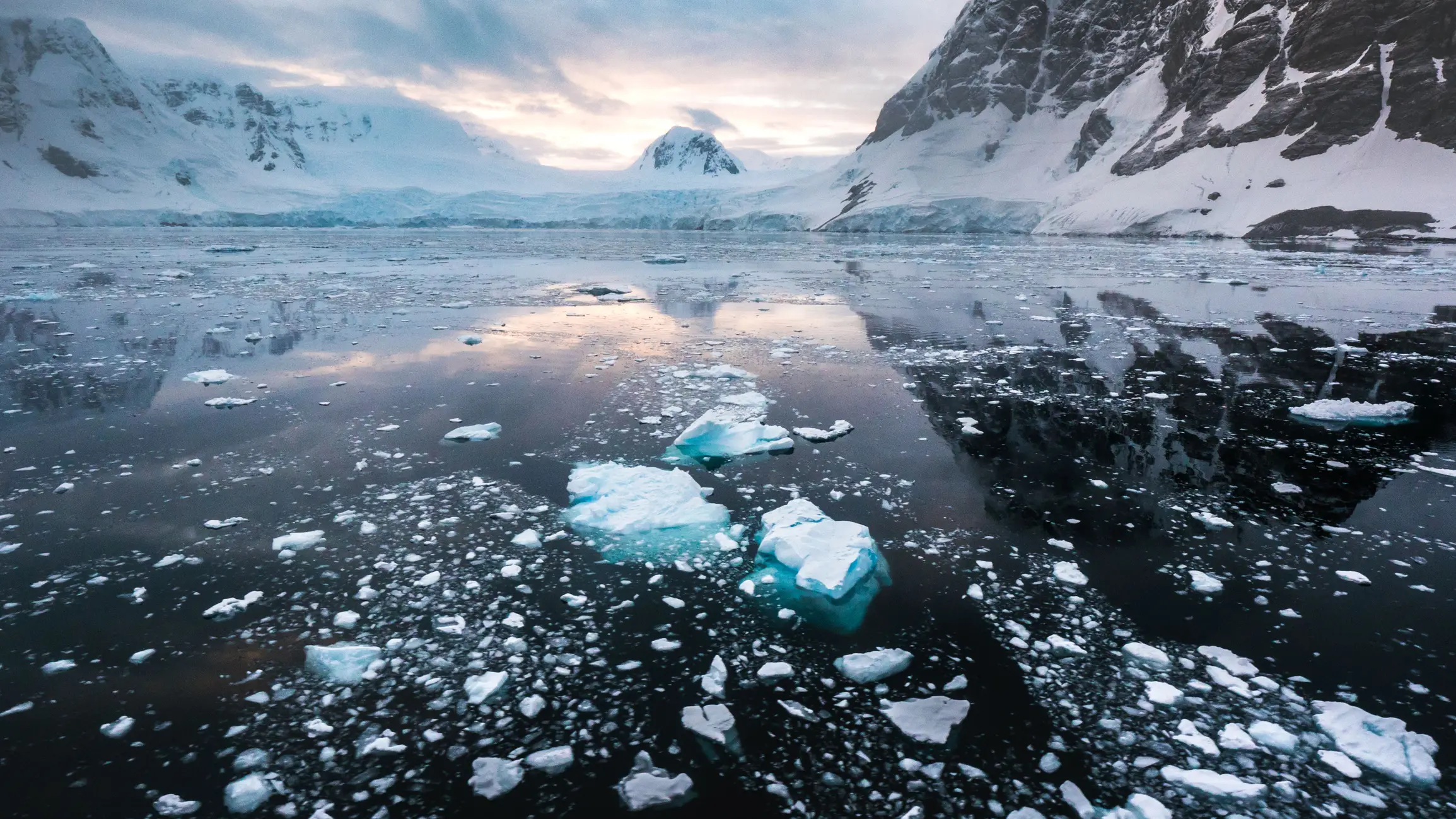
Now, scientists are issuing an urgent warning to the public after sea ice has been notably missing from the Bellingshausen Sea, which is a region west of the Antarctic Peninsula that would normally be covered in ice at this time of year.
Instead, satellite observations revealed the area was almost completely ice-free despite Antarctica being deep into its winter season. Now, scientists Raúl Cordero and Dr. Will Hobbs have spoken out about the extraordinary event.
Antarctica is missing ice in key regions
Speaking to the Guardian about this, Raúl Cordero, who is an Ecuadorian climate professor at the University of Groningen, shared that the phenomenon is ‘absolutely crazy’.
Advert
He added: “This heatwave happened because of extremely strong westerlies. This has been happening with increasing frequency since the 1980s, and that is known to be related to climate change.”
Meanwhile Dr Will Hobbs, who is an Antarctic sea ice expert at the University of Tasmania with the Australian Antarctic Program Partnership, described the news as ‘depressing’.
He went on to say: “It is remarkable that we are in June and there is no sea ice there.
“I don’t think we will see sea ice there any more. It’s done.”
Scientists believe that changes in ocean conditions are likely playing a role, although research is ongoing to determine the extent to which climate change is contributing to the trend.
Hobbs seemed taken aback by the interest in this story, writing on LinkedIn:
"Interest in this story about sea ice in the Bellingshausen Sea caught me a bit off guard. It is indeed extraordinary that we're in mid-winter and the ice hasn't formed yet; but this is actually the third time it's happened in 4 years. This region has been consistently losing ice for decades - even while overall Antarctic sea ice was increasing."
Climate consequences of ice melting in Antarctica
The disappearing ice could have major consequences for wildlife, particularly krill, which are tiny crustaceans that form the foundation of the Antarctic food chain.
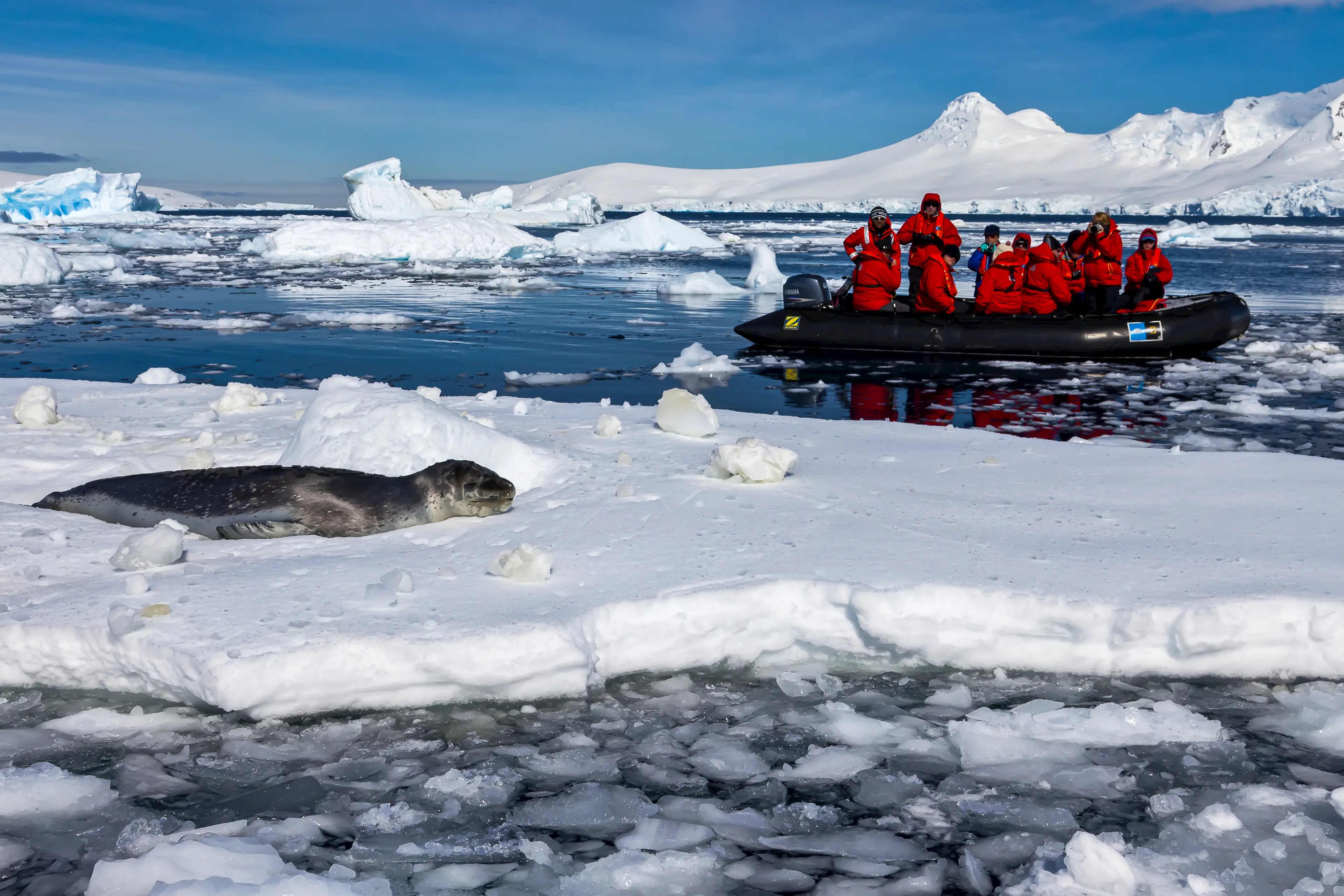
During the winter, krill typically shelter under sea ice and feed on algae growing underneath it, without this, the impacts could ripple throughout the ecosystem.
That isn’t the only wildlife showing signs of stress in the sea as the Bellingshausen Sea is where there was a devastating emperor penguin breeding failure back in 2022.
Thousands of chicks died after sea ice conditions deteriorated and the event has contributed to growing concerns over the future of the species.
With global temperatures continuing to rise amid climate change concerns, researchers also believe that this absence of sea ice may only make matters worse.
Normally, sea ice acts as a natural cooling barrier, helping reduce the impact of warmer air masses moving south from lower latitudes. Without that layer of ice, warmer air can have a much greater influence on local temperatures.