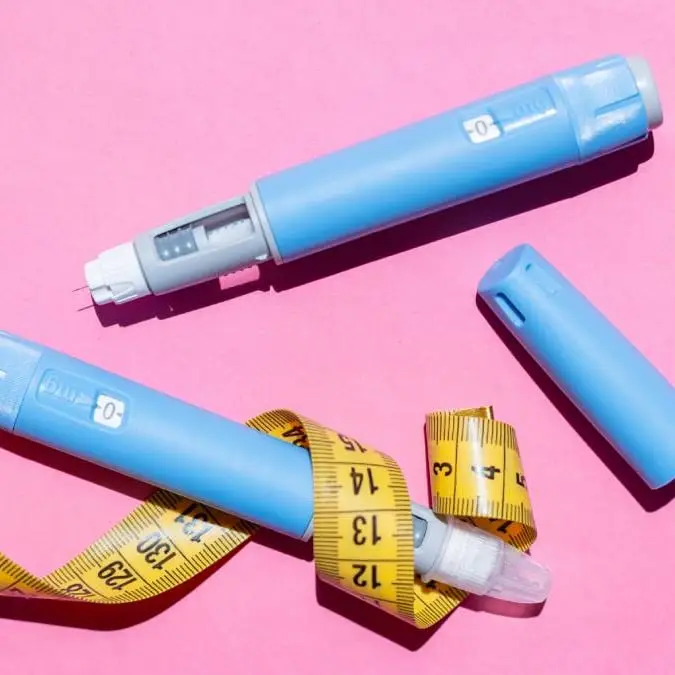
Doctors issue '18-month' warning to all Ozempic and Wegovy users over side-effect they should 'be aware' of


As the weather gets warmer and the influencers inevitably push for us to get our 'summer bodies', there's sure to be a spike in interest in GLP-1s like Ozempic and Wegovy.
While we'd like to remind you that beauty is in the eye of the beholder, and you're beautiful just the way you are, that won't stop many from looking for a quick fix to shift some of those extra pounds they might've gained over the colder months.
The medical world remains divided on the use of Ozempic and other so-called 'skinny jabs', with a new pill form even set to revolutionize the GLP-1 industry.
Despite some experts billing GLP-1s as a one-stop shop that can do much more than just shrink our waistlines, there are still obvious concerns about numerous side effects.
Advert
Alongside a rise in reports of things like 'Ozempic vagina', supposed vision problems, mental health issues, and even potential death, we need to remember that these medications were originally designed to help manage type 2 diabetes.
While not advised as a permanent fix, there's the inevitable day you'll come off the jabs. But what happens next? Even though prices are tumbling, there's the financial toll of these jabs alongside the potential long-term health drawbacks.
Research published in the British Medical Journal warns about another unexpected side effect, with patients supposedly gaining back their weight within just 18 months of stopping treatment.

Looking at 37 previous studies and 9,300 people, the Oxford-led study stated that "cessation of weight management medications (WMMs) is followed by rapid weight regain and reversal of beneficial effects on cardiometabolic markers."
It suggested that those who put down the jabs are likely to regain weight four times quicker than those who've gone down traditional weight loss routes of diet and exercise. Sure to have some people thinking twice about how and when they come off GLP-1s, the study says that there's 'no evidence' of any benefit 1.7 years after you stop, concluding: "These findings suggest caution in short-term use of these drugs without a more comprehensive approach to weight management."
Oxford University's Susan Jebb issued a PSA stating that GLP-1 users must "be aware of the risk of fast weight regain when the treatment ends."
She added: "Obesity is a chronic relapsing condition, and I think one would expect that these treatments need to be continued for life, just in the same way as blood pressure medication."
Although not quite as alarming, the Oxford study is somewhat backed up by a similar one from the University of Cambridge. Published in March 2026, it claims that although there's an initial rapid regain of weight, we still manage to keep some of it off.
Around half of all those who start taking these medications will stop within the first year after they achieve their goals, with three-quarters calling it quits after two years.
Researchers say that patients typically regained 60% of their weight after a year, with medical student Brajan Budini explaining: "Drugs such as Ozempic and Wegovy act like brakes on our appetite, making us feel full sooner, which means we eat less and therefore lose weight. When people stop taking them, they are essentially taking their foot off the brake, and this can lead to rapid weight regain."

It's said that things plateau with users able to keep 25% of their weight off, although we imagine some people will now be weighing up their options. As studies like the two above continue, it's hoped that research into the long-term effects of the jabs will lead to more concrete findings.
A Novo Nordisk spokesperson said in a statement to LADbible: "Wegovy® (semaglutide injection) is indeed indicated for weight management, and it’s expected that some level of weight regain can occur upon discontinuation of the medicine."
They added: "Our own study published in 2022 from the STEP1 trial demonstrated that treatment withdrawal of Semaglutide resulted in the regain of two-thirds of the weight loss within 52 weeks.
"These findings highlight the chronic nature of obesity and suggest that ongoing treatment is necessary to maintain improvements in weight and overall health for patients, similar to the management of other chronic conditions such as diabetes or hypertension."
An Eli Lilly spokesperson said in a statement to LADbible: "Obesity is a chronic progressive disease, and people living with obesity deserve care that reflects that reality. Many long-term conditions, such as high blood pressure or diabetes, need ongoing treatment.
"Authorised weight-management medicines, when prescribed appropriately, can be part of longer-term care alongside healthy eating, physical activity, and medical follow-up.
"When treatment is stopped, weight can return, which reflects the biology of the condition rather than a lack of effort.
"Lilly continues to study the long-term effects of these medicines and works closely with healthcare professionals and people living with obesity to support their safe and appropriate use."