How controversial drug ibogaine was discovered accidentally by heroin-addicted scientist

Warning: This article contains discussion of drug addiction which some readers may find distressing.
President Donald Trump is never far away from making a controversial move, but with $50 million due to be handed over to research into psychedelics, the Commander-in-Chief's latest executive order is set to cause plenty of controversy.
As technology advances, the worlds of health and science seem closer than ever before. While there are many fears about what artificial intelligence means for the future of the human race, some think AI will soon cure diseases. Elsewhere, our first trip to the Moon in 54 years could hold the key to the future of mankind.
The likes of biohacker Bryan Johnson have already been looking into how psychedelics could be used to benefit our bodies, not just to send us on trips. Now, Donald Trump has signed an order that will see the FDA expedite research into ibogaine and other psychedelics. Derived from African plants like Tabernanthe iboga, the raw form of ibogaine is regularly used in rituals involving the Bwiti tribe of Gabon.
What can ibogaine be used to treat?
Advert
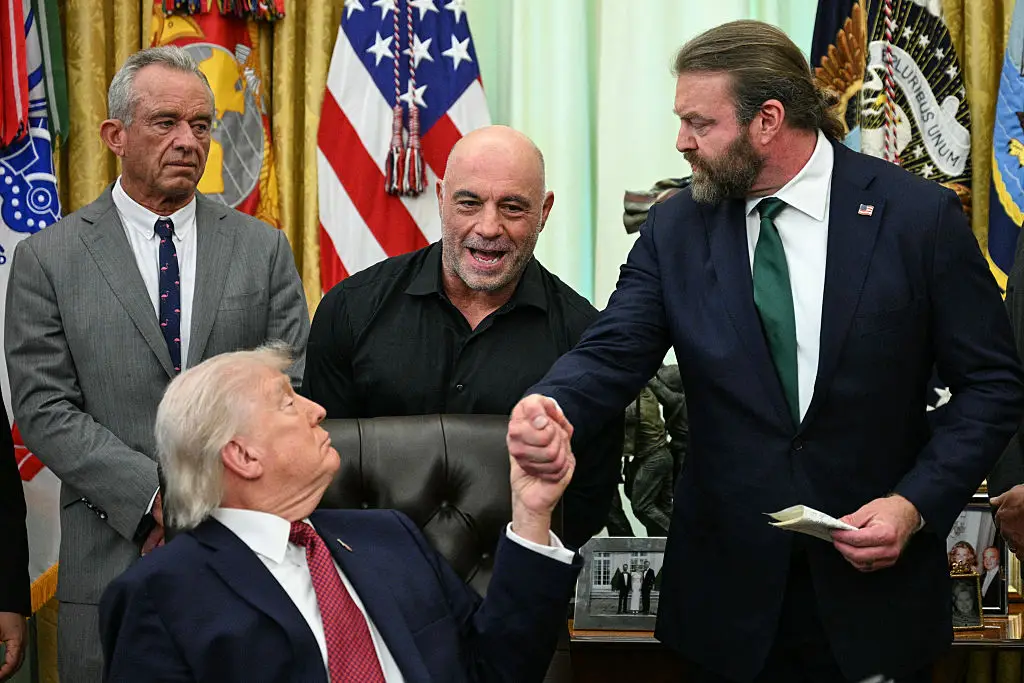
In broader terms, ibogaine is used to treat substance abuse disorders, including opioid and cocaine addiction, by reducing withdrawal symptoms and cravings. It's also grown in popularity in military circles, with ibogaine said to be used to alleviate treatment-resistant depression, anxiety, and PTSD. Alongside President Trump and podcaster Joe Rogan, former Navy SEAL Marcus Luttrell appeared at the Oval Office and cheered the president's latest order.
Luttrell is the sole survivor 2005's Taliban ambush Operation Red Wings in Afghanistan, and as a proponent of ibogaine, Luttrell said: "You're going to save a lot of lives through it. It absolutely changed my life for the better."
Although we're on the cusp of human trials in the USA, current research into ibogaine has largely been reduced to small observational studies. According to CBS, a 2023 review of 24 studies and 705 patients found that while ibogaine could reduce withdrawal symptoms, the risk of death from toxicity to the heart was 'worrying'. The outlet says that at least 27 people have died after taking ibogaine.
How was ibogaine discovered?
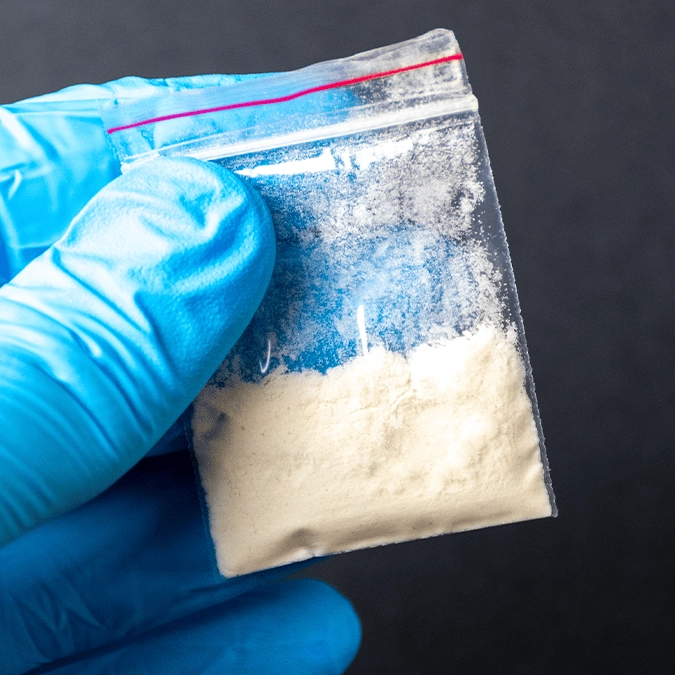
The fascinating story of ibogaine's potential adoption in the West can be traced back to its accidental consumption by a 19-year-old heroin addict called Howard Lotsof. While searching for a new high in 1962, Lotsof tried a white powder taken from a West African shrub. Speaking to the New York Times in 1994, Lotsof recalled consuming the bitter-tasting white powder: "The next thing I knew. I was straight.”
A later retrospective from the New York Times explained how he tried the extract of the Tabernanthe iboga, which is a perennial rainforest plant mainly found in Gabon. Known to induce an altered state for at least 48 hours, it's typically used in puberty initiation rites of the Bwiti religion. The idea is that young people are supposed to come into contact with a universal ancestor. Lotsof recalled that after he and six other heroin-addicted friends tried the extract, five of them immediately quit.
From this point on, Lotsof developed a lifelong mission to help other addicts, even managing to persuade a Belgian company to manufacture a capsule version of ibogaine in the mid-'80s. Lotsof acquired a patent for the use of ibogaine to help heroin and cocaine addiction in 1986, and although the FDA initially approved a clinical trial, contractual disputes and a lack of financing meant it never went ahead.
To this day, only a handful of countries legally allow the use of ibogaine, with the likes of Australia and New Zealand allowing it under prescription. Whereas the USA classifies it as a Schedule I-controlled substance, Canada added it to the Prescription Drug List (PDL) in 2017.
There are still concerns about ibogaine's effect on your heart, but while skeptics are sure to point to Lotsof's death at the age of 66 in 2010, his wife maintains the cause of death was liver cancer.
Despite some U.S. states decriminalizing psychedelic chemicals, plants, and mushrooms, ibogaine remains illegal under federal law. Still, with President Trump's latest move, all of that could be about to change.
If you want friendly, confidential advice about drugs, you can call American Addiction Centers on (313) 209-9137 24/7, or contact them through their website.