
Hantavirus fears hit one of world's most remote islands with population of just 35


A remote island in the middle of the Pacific Ocean has been hit with hantavirus fears following the outbreak on cruise ship.
The Pitcairn Islands are made up of four volcanic islands found in the southern Pacific Ocean, roughly halfway between New Zealand and Peru.
The islands have a population of just 35 residents and are only accessible by a 32-hour boat cruise from Mangareva, a small island in French Polynesia.
However, despite the island’s isolation, a woman who had been exposed to hantavirus ended up going there, causing a stir of public concern.
Advert
The woman in question had been a passenger aboard the MV Hondius which saw three deaths after an outbreak of the virus occurred during its voyage.
But before authorities were able to find her, the woman had disembarked the ship and flew to San Francisco.
From there, she traveled to Tahiti and Mangareva before taking the boat cruise to the Pitcairn Islands.
While she is currently not presenting with any symptoms, the woman has been ordered to remain on the island until she has been cleared.
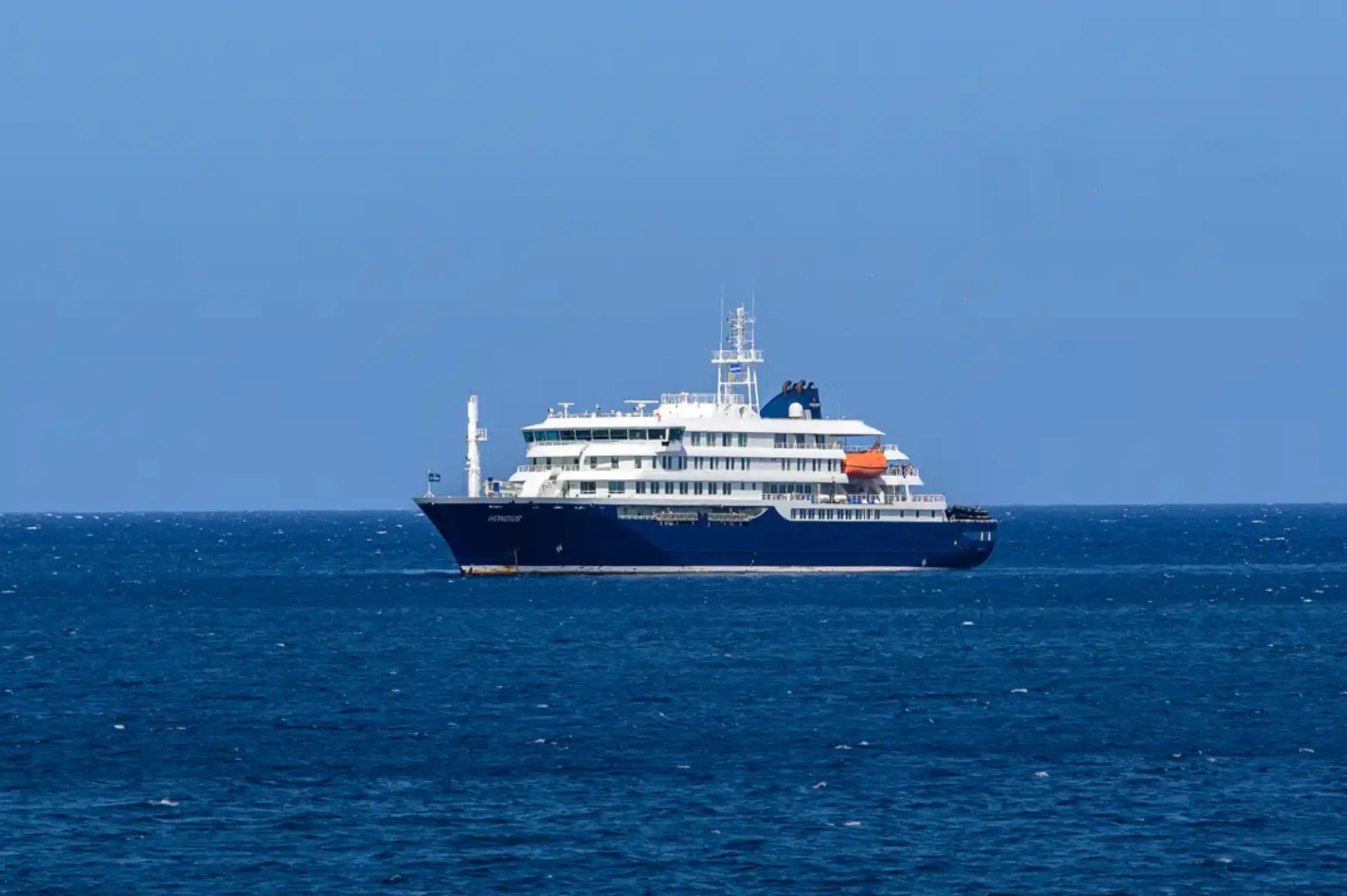
The MV Hondius just before it was due to end its journey across the Atlantic, having traveled from Argentina last month when it was struck with a hantavirus outbreak.
Having been refused permission to dock in Cape Verde, the ship was left stranded in open waters while managing the health crisis.
Since then, passengers have disembarked in the Canary Islands and flown home.
The symptoms of hantavirus
Hantavirus can cause two life-threatening syndromes, according to the WHO: hantavirus pulmonary syndrome (HPS) and hemorrhagic fever with renal syndrome (HFRS).
The early symptoms of HPS, which attacks the lungs, start one to eight weeks after infection, and include:
- Fatigue
- Fever
- Muscles aches
- Headaches
- Dizziness
- Chills
- Nausea and vomiting
- Diarrhoea
Later symptoms include:
- Coughing
- Shortness of breath
- Tightness in the chest
Early symptoms of HFRS, which affects the kidneys, start one to two weeks after infection, and include:
- Intense headaches
- Back pain
- Abdominal pain
- Fever/chills
- Nausea
- Blurred vision
Later symptoms include:
- Low blood pressure
- Internal bleeding
- Acute kidney failure

At a recent press conference, Admiral Brian Christine, MD, Assistant Secretary for Health at the US Department of Health and Human Services, stated that the risk to the public is ‘very, very low’, saying: “Let me be crystal clear: the risk of hantavirus to the general public remains very, very low.
“The Andes variant of this virus does not spread easily, and it requires prolonged close contact with someone who is already symptomatic.”