
Anti-ageing expert reveals surprising impact lack of sleep has on bodyfat


An anti-ageing expert has revealed the surprising link between lack of sleep and body fat on Steven Bartlett's Diary of a CEO podcast.
Most of us know that sleep is important. It's when our bodies recover, our brains consolidate memories, and our hormones reset after a long day. But while the general advice to 'get more sleep' has become something of a wellness cliché, the science behind what actually happens to your body when you don't get enough is pretty alarming.
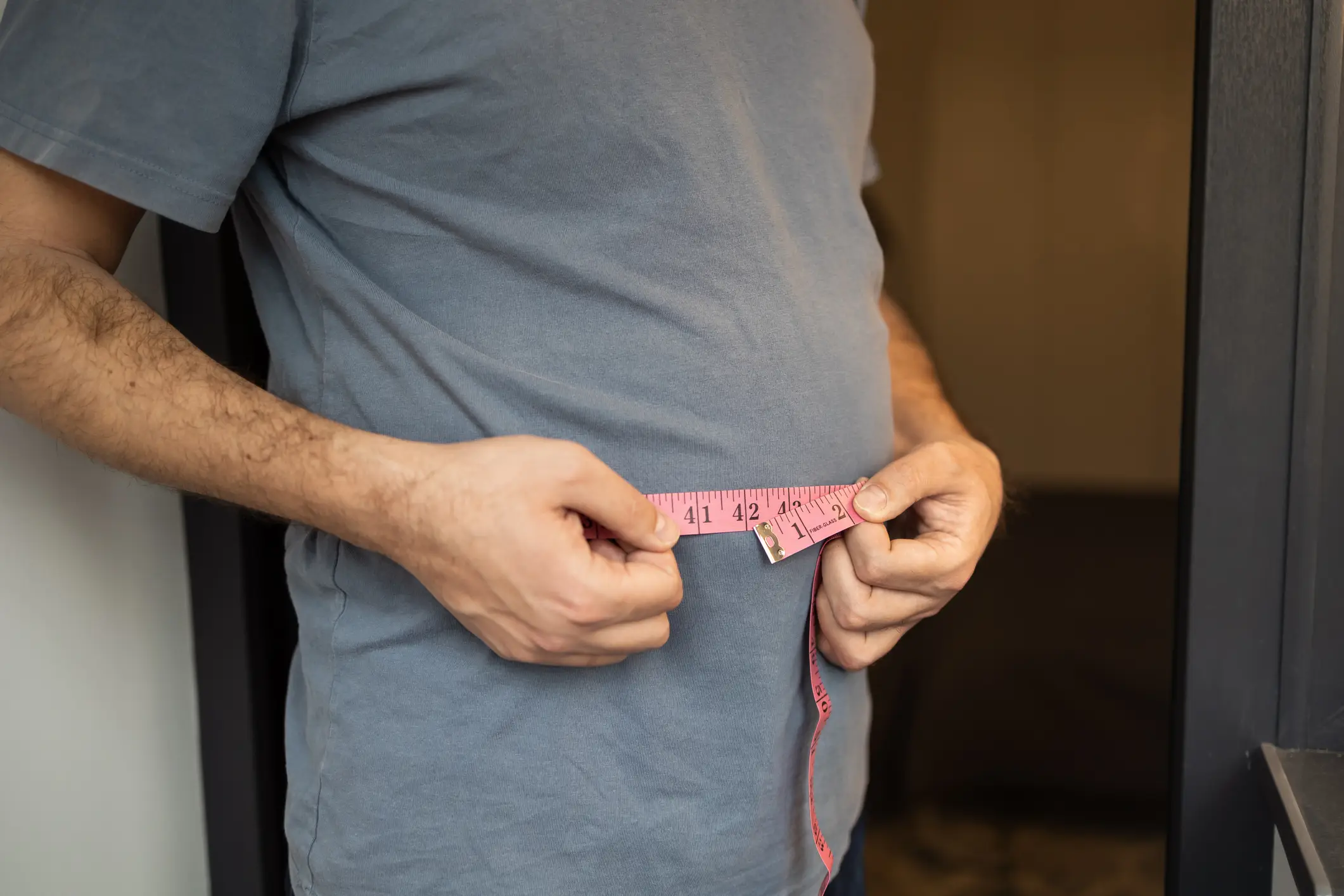
We tend to think of body fat as a result of what we eat and how much we exercise. And while these play a huge role, researchers are finding that sleep may be one of the most underestimated causes behind visceral fat buildup.
Advert
Speaking on a recent episode of Steven Bartlett's Diary of a CEO podcast, anti-ageing expert Dr. Rhonda Patrick broke down exactly how sleep deprivation affects visceral body fat.
"Mostly it's our diet and lifestyle that's affecting visceral fat," she said. "When you miss sleep [...] you can start to gain visceral fat very quickly."
She pointed to a study involving young, healthy men who were restricted to just four hours of sleep per night. The health expert was quick to note that this isn't as extreme a scenario as it might sound, many college students and new parents will recognise it as a familiar reality.
"These men were only sleeping four hours a night for two weeks," she explained. "They gained 11% visceral fat after that two weeks, but not a pound on the scale."
Dr. Patrick confirmed that rather than their weight changing, it was the men's composition that shifted.
The problem is that visceral fat is strongly associated with insulin resistance and non-alcoholic fatty liver disease, both of which are becoming increasingly common in younger people, she noted.
In a separate study, Dr. Patrick described how young healthy men were given 1,200 extra calories per day 'from mostly processed foods,' for just five days.
"After that five days, they started to gain visceral fat. They started to have signs of fatty liver [...] and their brains became insulin resistant," the anti-ageing expert added.
Later on in the podcast, Dr. Patrick also flagged an overlooked habit that can quietly sabotage both sleep quality and metabolic health. Turns out, eating within three hours of going to bed activates the body's fight-or-flight response, making it harder to fall asleep.
However, if you find this is a common habit, your best bet is to keep your last snack light, Dr. Patrick advised.