United Nations issues red alert as they warn of record 'climate imbalance'


The United Nations has stepped in with a warning that things are even worse than we thought.
The doomsday clock set the record straight for how bad things have gotten on Earth. Between the US-Iran conflict, the cost of living squeezing people from every angle, and a climate crisis that shows no signs of slowing down, it's fair to say the planet isn't exactly having its best run.
And now, UN Secretary-General António Guterres has warned that our planet's climate is in a 'state of emergency' as it's more out of balance than at any point in recorded history.
Advert
The World Meteorological Organisation (WMO) released its annual State of the Global Climate report on Monday (23 March), and the findings are hard to ignore.
The period between 2015 and 2025 has been confirmed as the hottest eleven years ever recorded. Last year alone ranked as either the second or third hottest year in history, sitting at approximately 1.43°C above the pre-industrial average recorded between 1850 and 1900.
Rising greenhouse gas concentrations in the atmosphere continue to melt ice and drive global warming.
On the ground, intense heatwaves, heavy rainfall, wildfires, drought, tropical cyclones, storms, and flooding are causing widespread death and vast economic losses, the report revealed.
Beyond the immediate impact, the report also stressed the knock-on effects like food insecurity, mass displacement, and worsening public health risks, including the spread of mosquito-borne diseases like dengue fever, driven by shifting rainfall patterns.
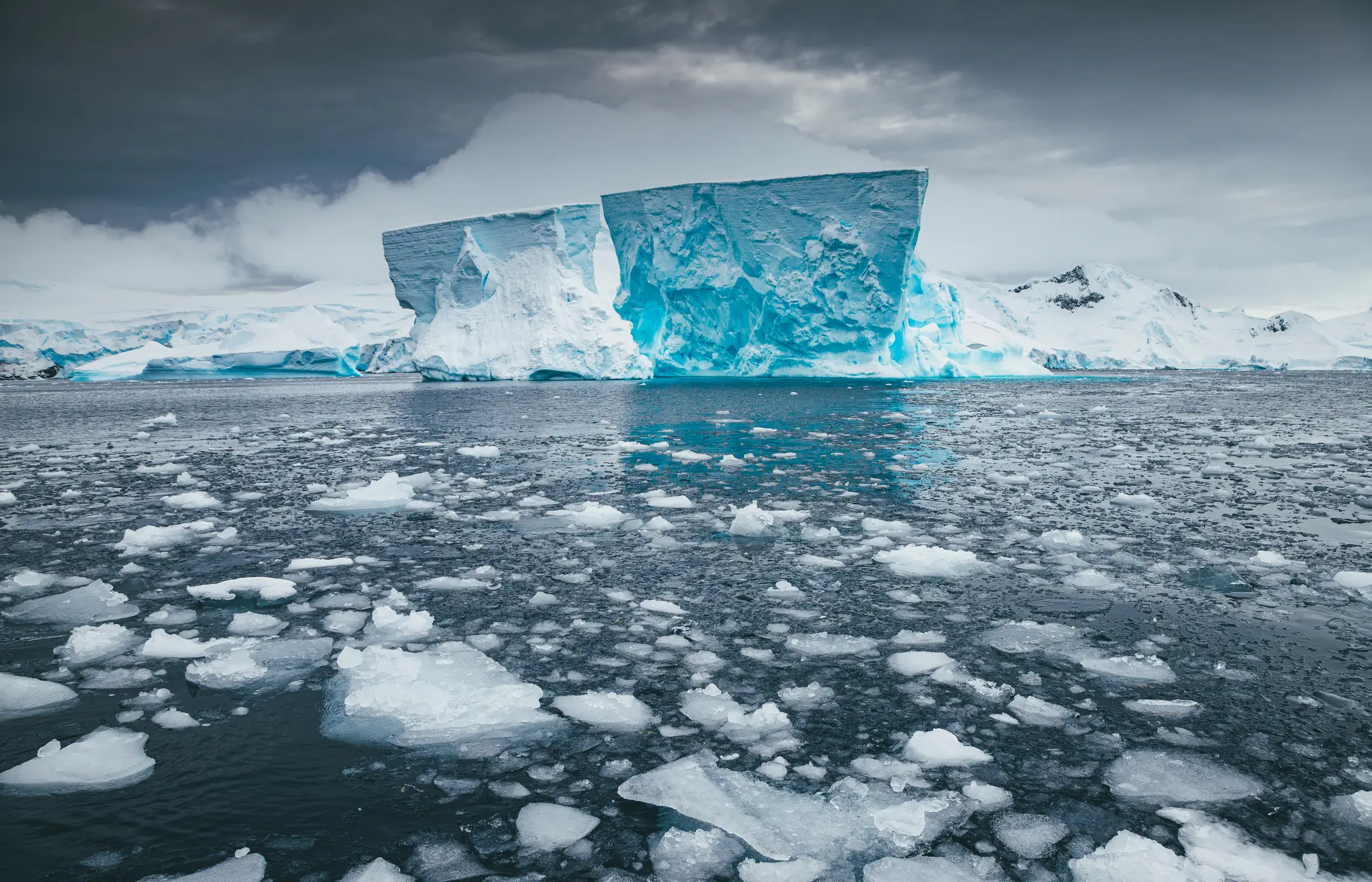
"Planet Earth is being pushed beyond its limits," Guterres said. "Every key climate indicator is flashing red."
One of the more alarming findings from WMO involves the world's oceans, which store more than 91% of the excess heat building up in the Earth's system.
The rate at which heat is accumulating in the oceans is accelerating while the planet's energy imbalance - the rate at which energy from the sun enters and leaves the Earth - reached a new high in 2025.
"For the first time, the report includes the Earth’s energy imbalance as one of the key climate indicators," the report stated.
Meanwhile, heat-trapping greenhouse gases, including carbon dioxide, methane and nitrous oxide, have now reached their highest levels in at least 800,000 years.
"Human activities are increasingly disrupting the natural equilibrium and we will live with these consequences for hundreds and thousands of years," WMO secretary-general Celeste Saulo said. "On a day-to-day basis, our weather has become more extreme."
More positively, the report outlined how climate data, early warning systems, and integrated climate services for health can protect people as temperatures continue to climb.
The question now is what happens next...