Everything we know about US Air Force's cloud computing platform hack


There are alarming reports coming from the United States of America, with Reuters claiming hackers have breached the US Air Force's flagship cloud computing platform.
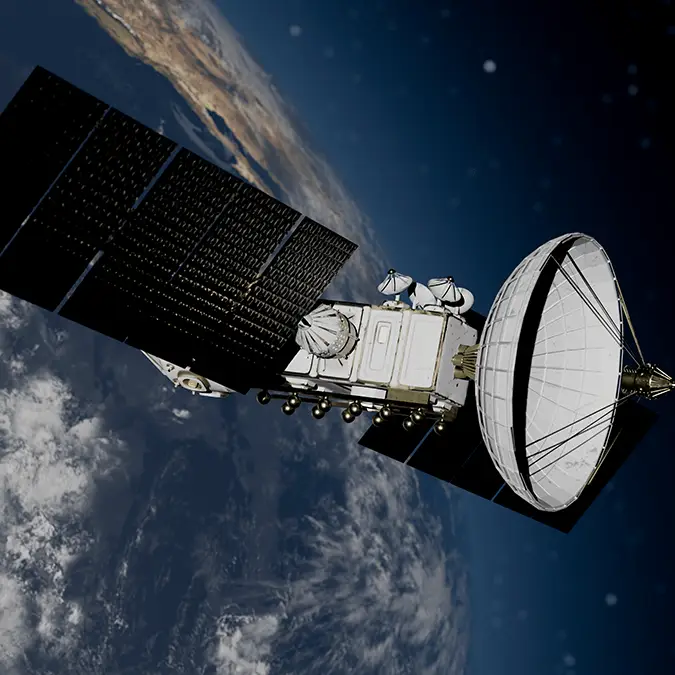
Described as the Air Force's one-stop shop for all its IT needs, the affected Cloud One platform combines resources from resources of Alphabet, Amazon, Microsoft, and Oracle.
With so many of the 'Big Five' involved, there are further worries about the vulnerability of agencies being tied to tech.
While alarm bells are ringing over the idea that sensitive tactical, personnel, and logistics data could be leaked in this major cybersecurity breach, Americans and others around the world are rightly asking what's actually going on.
What is the Air Force Cloud One hack?
Advert
As reported by Reuters, three sources familiar with the matter claim hackers have gained access to Cloud One.
Serving as the hub for the U.S. Air Force's cloud-based command, Cloud One covers the likes of the Theater Integrated Combat Munitions System that tracks global munitions. Closer to home, Cloud One is responsible for the military branch's administrative and logistics software.
Supposedly uncovered during routine upgrades, it's said that hackers gained control plane access, likened to a 'universal remote' that has the potential to expose the status of military aircraft and supply chain tracking.
Back in 2023, Cloud One leadership told FedScoop that it had a "100% success rate" in preventing a 'staggering' number of attacks on the platform.
Investigators have apparently called in US Cyber Command to assess the damage, although officials still haven't been able to identify the hackers or confirm whether any specific data has been stolen.
In a statement to Reuters, the Air Force reiterated that it "does not comment on the security posture, vulnerabilities or operational status of specific networks and systems," adding: "We continuously take prudent measures to protect Department (of the Air Force) information, systems and mission capabilities."
Earlier this week, The New York Times claimed that hackers had breached a system used by the CIA and Office of the Director of National Intelligence to scan open-source and unclassified material for insights and information.
The CIA has also declined to comment on that incident, although a representative for the Office of the Director of National Intelligence told Bloomberg that “there have been no disruptions to critical capabilities or classified systems.”
How could the Air Force hack affect everyday citizens?

The biggest concern now is the potential national security risk due to Cloud One helping air defense radar systems and tracking important military equipment.
Despite being unclear where these hackers hail from, but even if not being conducted my hostile states, this information could be sold to an enemy of the USA. Extending beyond America, there could be further consequences tied to allies like the United Kingdom.
Military operations are already facing disruption, with migrations stalling and some administrators having their privileges revoked, as well as patch deployment for running apps being frozen.
Aside from a seemingly major national security risk, it's feared that the general public could be put at risk by a hack of this magnitude. Namely, the fact that Cloud One supports applications that manage military personnel records and their pay means service members and families could be at risk from everything from identity theft to targeted scams.
Even though the recent Microsoft outage was blamed on internal issues rather than hackers, this is the latest incident that raises questions about how companies and agencies alike rely on cloud infrastructures.
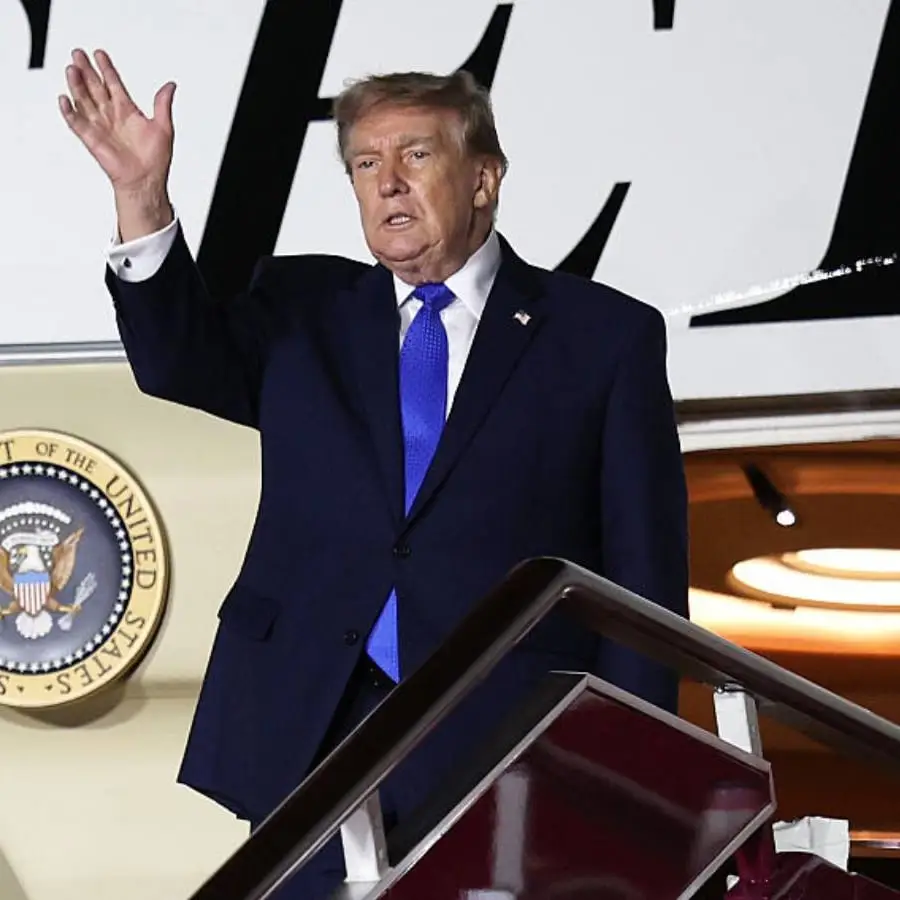
We recently covered how one cybersecurity expert warned citizens to brace for more outages and attacks in the next 18 months, although Donald Trump was quoted as saying, "It's fine," when discussing a recent uptick in outages.
The President of the United States is yet to address the reported Air Force attack, but discussing outages and 'phase black' fears, he told reporters: "It’s life. When you’re big and powerful and have all the money, things like that happen."
With a potential attack on the US Air Force, it fits an uncomfortable pattern of cyberattacks aimed at databases relating to the CIA, FBI, Treasury, and the Pentagon.