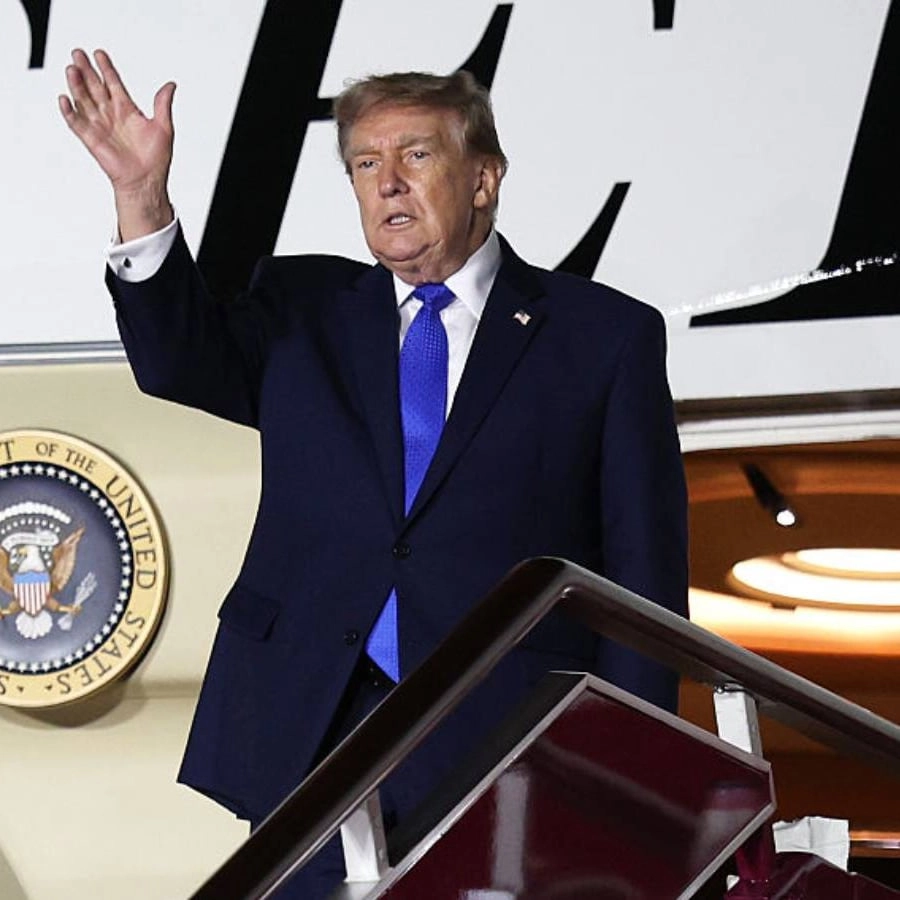
Trump responds after reporters told to hand over phones aboard Air Force One following China visit


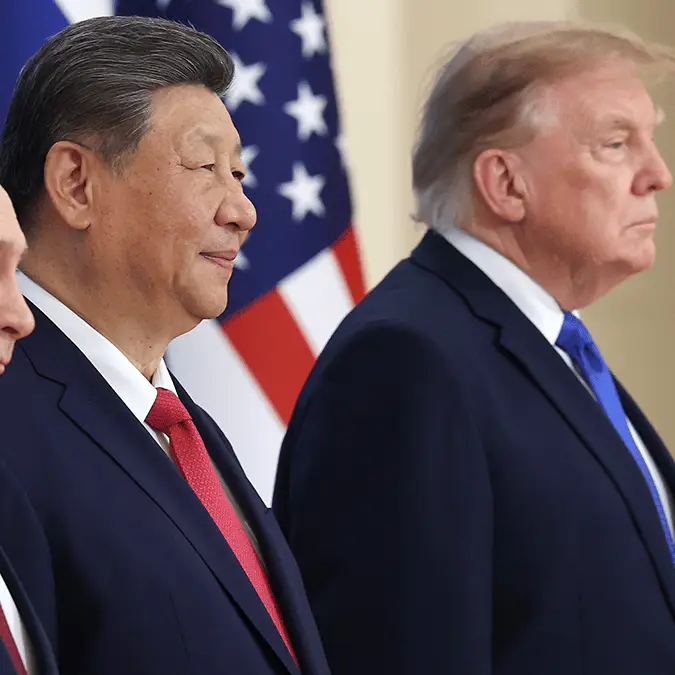
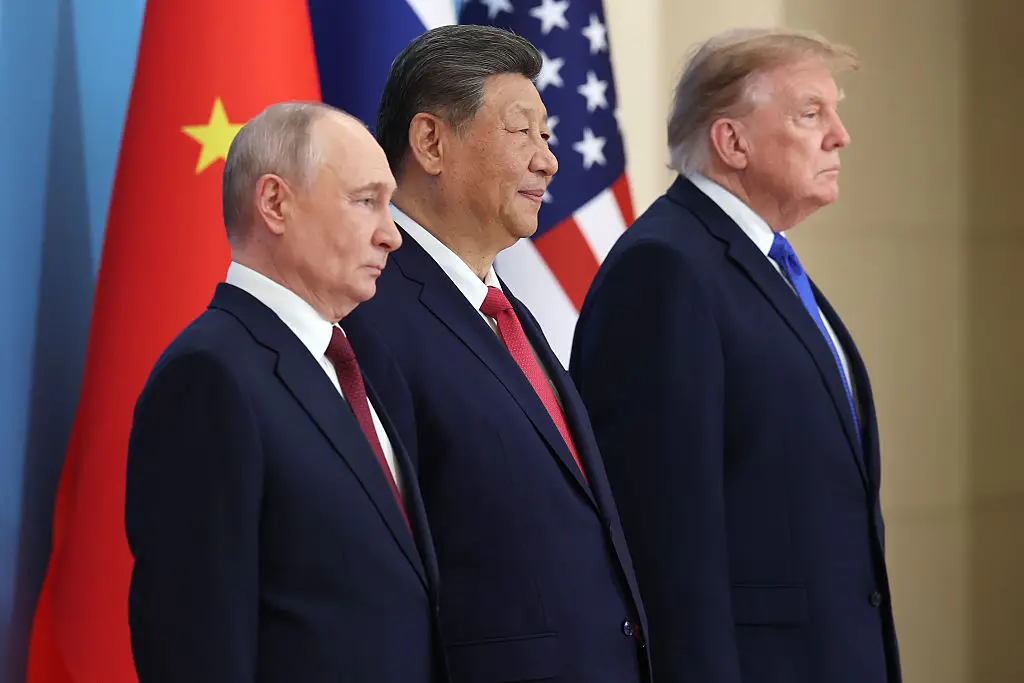
President Donald Trump is back on American soil after joining China's President Xi Jinping and Russia's President Vladimir Putin for their first-ever formal trilateral summit. Representing three of the most powerful men on the planet, the trio met at the Asia-Pacific Economic Cooperation (APEC) summit in Shenzhen, China, and announced a four-point "joint declaration on peace" after around 90 minutes of talks on the sidelines.
Despite cheers that the world leaders have supposedly decided that nuclear war isn't the answer and should never be fought, there are still rumblings that President Putin could still retaliate over recent attacks.
It also seems there might be some mistrust against China, with reports that the White House press pool had their phones confiscated while alongside President Trump and on their way back to America on Air Force One.
Advert
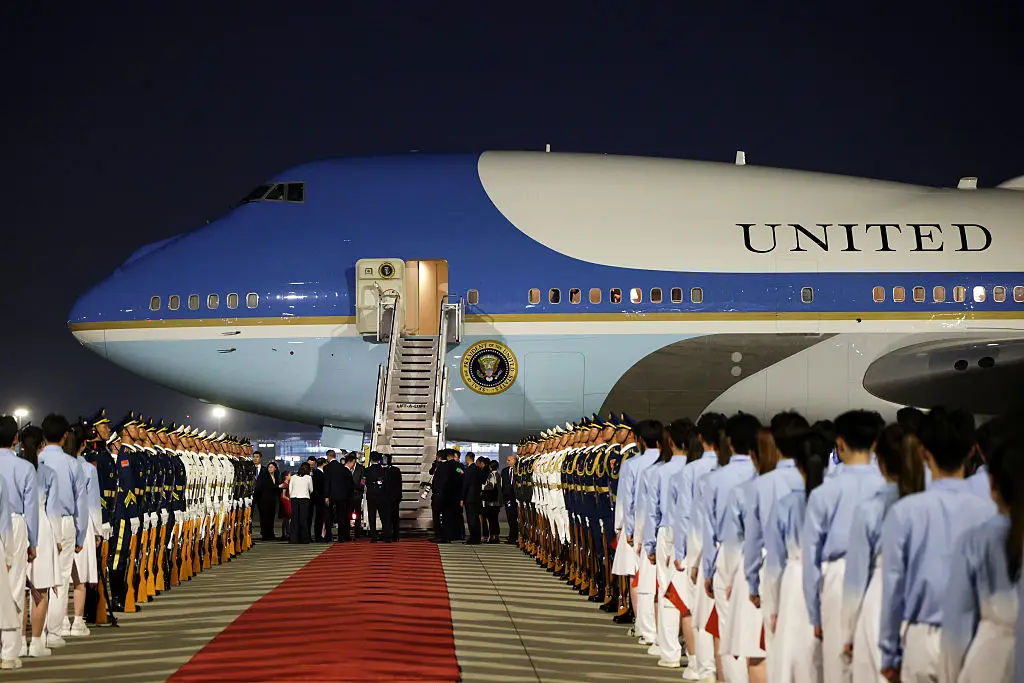
Reporters confirmed their phones were taken away before Air Force One left Shenzhen, with a report reading: "At 6:45 pm consider this your wheels up. Our phones are being taken away for now for security reasons.”
There were swirling theories about why this extra security measure was being taken, with some theorizing an unexpected detour was being scheduled for the presidential jet. This comes after Secretary of State Marco Rubio told reporters that the president was 'prepared' to meet North Korea's Kim Jong Un, and as a flight restriction imposed over Alaska for a potential Air Force One refuelling was lifted, there were questions about where the plane was heading. Ultimately, it was back to Washington, D.C.
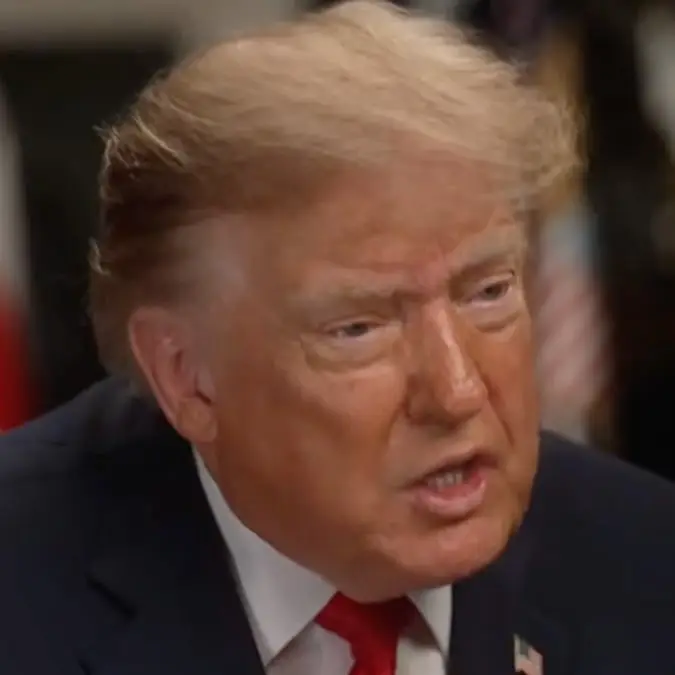
Speaking to NBC’s Gabe Gutierrez, the president clarified what happened without addressing questions about why reporters weren't able to access their phones: "Well, we want to be careful, and we didn't want to have people have phones when they shouldn't have phones, so we were very careful."
This short but concise response has led to a few raised eyebrows, while CNN's Kaitlan Collins has shared a note from CBS' Jennifer Jacobs. Jacobs said: "For cyber security, an AF1 aide collected White House staffers' burner cellphones for disposal or data wiping as we left Shenzhen and asked that journalists place the phones they'd used in China in a signal-blocking Faraday bag until we landed in the US, saying those phones would be returned then."
Some had already put their devices in bags before landing in China earlier in the week. Jacobs added that many (but not all) reporters and photographers placed work and personal phones, laptops, and even smartwatches in signal-blocking bags in an apparent attempt to prevent spyware, surveillance, or data collection from being used as they traveled back to the USA.
As Jacobs notes: "Those who hadn't opted for burners were left with no cellphone."
If phones were confiscated for security reasons, it feeds into recent 'phase black' fears.
There have been concerns about a rise in cyberattacks, and while President Trump has brushed them off, others are sounding the alarm. Discussing the spike in outages and attacks, the POTUS claimed 'it's fine', adding: "It’s life. When you’re big and powerful and have all the money, things like that happen."
Still, there's a notable change from Trump's earlier visit to China. Back in May, reports claimed that they didn't have their phones taken away, but instead, the press pool had everything from delegation pins to press credentials that had been given to them by the Chinese removed.