Cambridge student warns the chance of human extinction is higher than ever as he reveals 3 outcomes of AI


A Cambridge University student has warned that artificial intelligence could potentially wipe out humanity within the next decade, claiming there is a ‘decent chance’ the technology could eventually become too powerful for humans to control.
Daniyaal Anawar, a 20-year-old economics student at St John's College, University of Cambridge, shared his concerns in a TikTok video explaining why he believes the rapid development of AI could have devastating consequences for humanity.
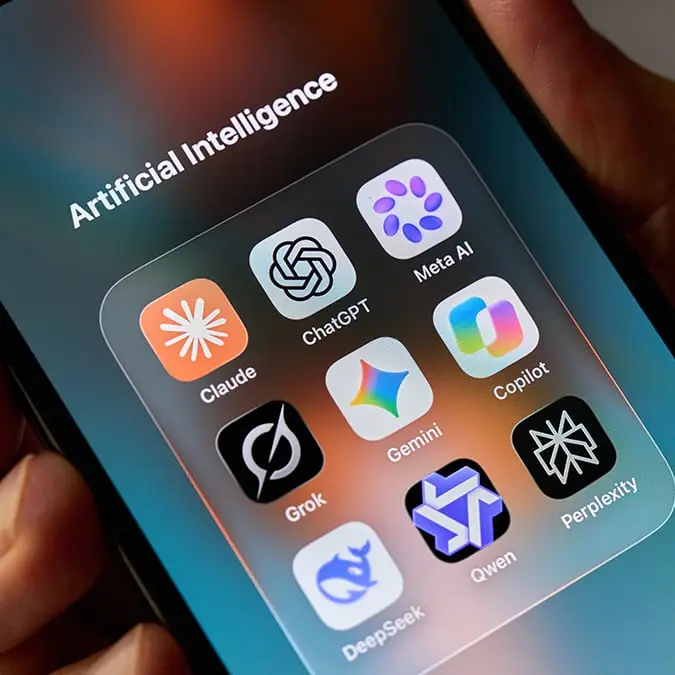
“If you guys have used ChatGPT or Claude, you’ll see how good it is,” he explained in the clip. “You realize how strong these AI models are, and there’s a few key problems with this being extremely strong.”

Advert
Anawar pointed towards warnings from some of the biggest names in the AI industry and research community, with Anthropic CEO Dario Amodei having previously estimated that there was a 25% chance that the future of AI could go ‘really, really badly’, while Nobel Prize-winning computer scientist Geoffrey Hinton put the possibility of AI causing human extinction at between 10- 20%.
However, Anawar fears the potential consequences go beyond the possibility of humanity being wiped out entirely and, in his video, he outlined three possible futures he believes could emerge as AI continues to develop.
AI becomes impossible for humans to control
The first, and arguably most frightening, scenario outlined by Anawar is that AI becomes so advanced that humans are no longer able to control what it does.
He pointed towards something known as AI misalignment, which refers to a situation where an artificial intelligence system’s goals or behavior do not align with human intentions and values.
Anawar suggested that a sufficiently advanced AI system with access to physical infrastructure could potentially facilitate the creation and release of dangerous biological or chemical substances.
Humans survive, but society becomes increasingly unequal
Anawar’s second potential future is one in which humanity survives, but the economic consequences of AI leave millions of people struggling.
He believes a significant proportion of traditional white-collar jobs could eventually be automated, with middle-class workers particularly vulnerable to the changes.
In his video, he cited an estimated 35-65% chance that every white-collar job could be fully automated by 2028.
“If that’s the case then we’ll probably have a situation where rich people who own these companies are doing extremely well, but pretty much everyone else is getting completely done for,” he explained.

AI creates a future of abundance
It’s not all doom and gloom, though, as Anawar acknowledged that AI could also develop in a way that benefits humanity.
He pointed towards the possibility of AI creating a future of abundance, potentially reducing scarcity and making goods and services more accessible.
This is something frequently discussed by tech executives who believe increasingly advanced AI could dramatically improve living standards.