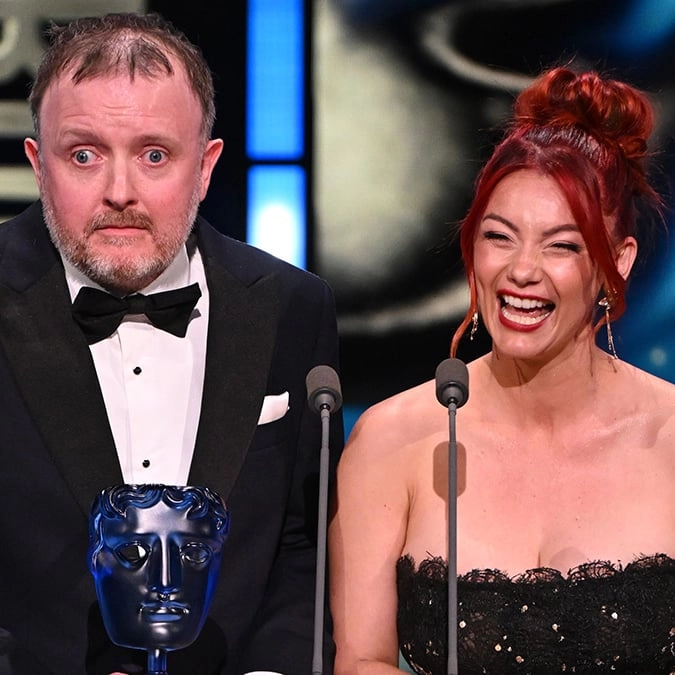
Chris McCausland says AI could be the biggest breakthrough for blind people since the iPhone


While artificial intelligence remains a hot topic for debate among industries and governments alike, Chris McCausland has shared how the technology is already changing his life.
The Bafta-winning comedian, who made history as the first blind contestant to win Strictly Come Dancing in 2024, revealed how AI is opening up new levels of independence and accessibility that he believes could rival the introduction of the iPhone.
Speaking to UNILAD Tech, McCausland compared the development of the tech to the first introduction of the iPhone, which he said was revolutionary at the time because it brought accessible tech into the mainstream.
Talking about AI, he explained: “It’s really, really game changing in the way that the iPhone was back in about 2009.”
Advert
Before smartphones, McCausland shared how people with disabilities often had to rely on expensive specialist equipment that was designed to perform just one function.
“When I was a teenager, I bought a desktop computer for 400 quid ($525), and it cost £800 ($1050) for the software to make it talk. It was twice as much as the computer. And now I’m talking to you on a Mac where it’s built in, and you can just turn it on out the shop,” he continued.
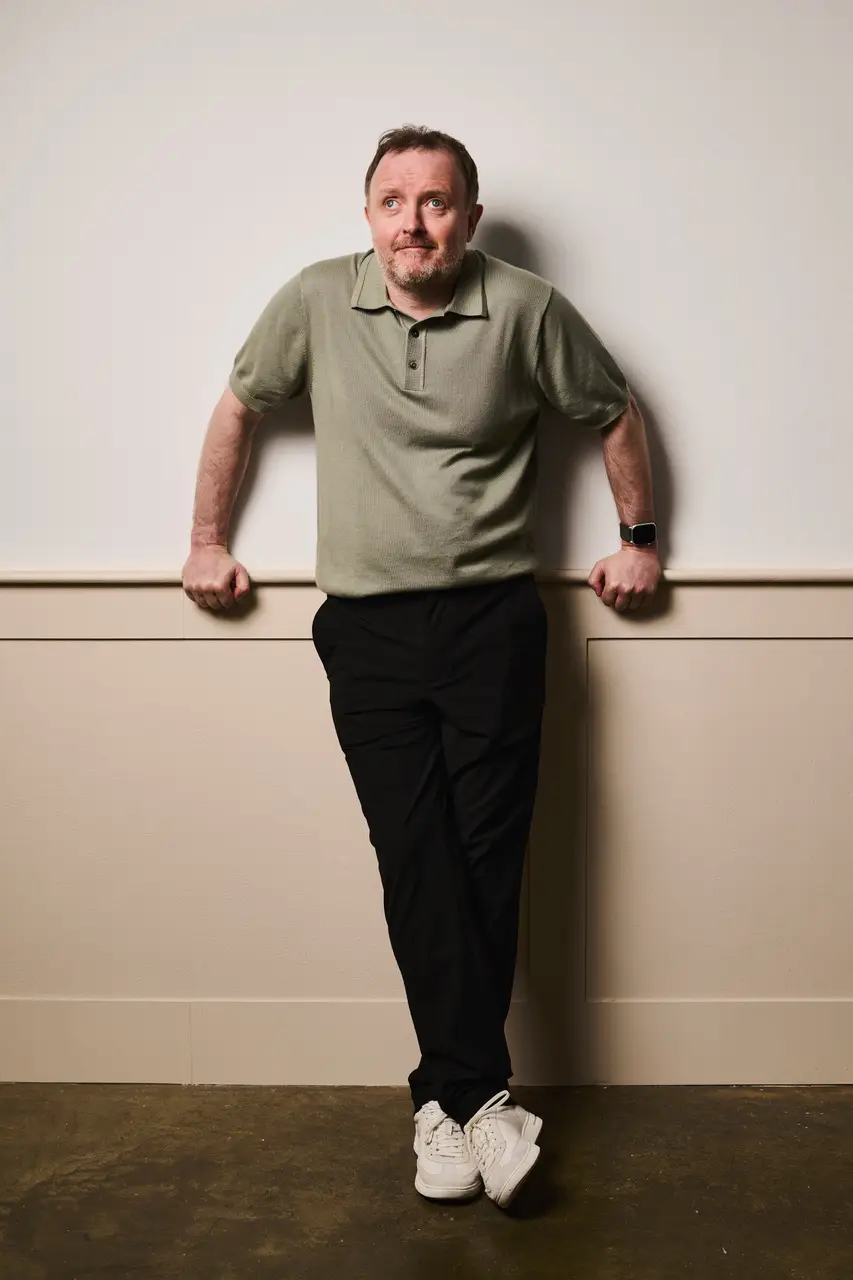
How AI is changing the disability tech game
The comedian now uses ChatGPT everyday to assist him with tasks he otherwise would have needed help with.
McCausland added: “It’s not just an accessible chatbot, it’s not just an accessible service for finding out information, asking questions. It’s becoming a gateway and a portal to access services, apps, and getting it to do things for you and bypass accessibility obstacles.”.
One of the biggest differences AI has made to McCausland’s own life is the ability to independently identify everyday items.
He shared how he uses ChatGPT to figure out which clothes he is looking at in the morning, allowing him to identify different shirts and trousers without having to ask his wife or daughter for help. The tech is even able to establish if an item is dirty or needs ironing.
On the road as a comedian, McCausland often finds himself in unfamiliar hotel rooms during tour stops where he is faced with operating the touchscreen controls of a thermostat.
McCausland explained that this is something that could have previously required him to ask somebody else for assistance, but by pointing his phone’s camera at the thermostat, AI can describe what is displayed on the screen, identify the relevant buttons and help him adjust the temperature.

‘Dependence is the most exhausting thing about having a disability’
Reflecting on his time on Strictly Come Dancing, where McCausland took home the coveted Glitterball Trophy alongside his professional dance partner Dianne Buswell, he said: “When I did Strictly, one of the things that they said to me was like, ‘Oh, you must be inspiring people who are blind and got a disability on this kind of journey’.
“And it was not really, no, because they don’t need inspiring. They need people to understand that they are capable of more than they think.”
For McCausland, one of the biggest challenges of living with a disability is the frustration of having to rely on other people.
“Dependence is the most exhausting thing about having a disability,” he explained. “You can be as independent as possible, and you can be competent, and you can be comfortable with your disability, but you can still be frustrated as s*** several times a day.”
Is AI the future of accessibility?
While AI is still in its infancy, and questions on guardrails and safety remain a hot-button issue, McCausland believes it already has a revolutionary place in the world of disability tech, with the comedian hoping that by sharing his experience, it will help challenge assumptions.
“I think it’s really important for people to be aware of how it is changing the lives of people with disabilities,” he said.
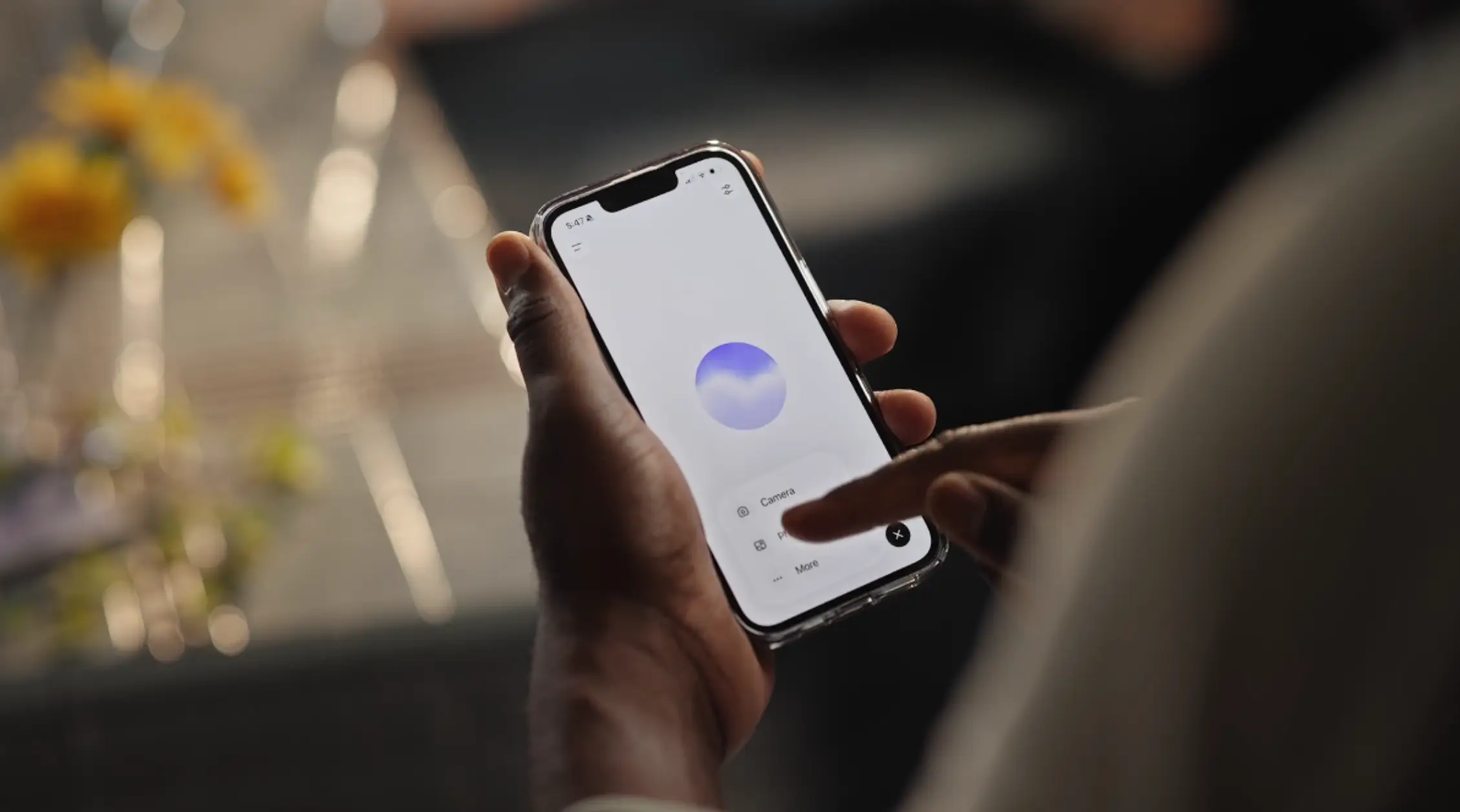
And while AI has already made a significant difference, McCausland said he is particularly excited about the prospect of real-time visual interpretation in the future.
Currently, he explained, AI can analyze photographs and provide descriptions of what is in front of someone, but he wants the tech to reach a point where it can interpret the world around users as things happen.
He gave the example of wanting to be able to ask AI to alert him when a taxi is approaching, rather than having to rely on someone else to spot it. McCausland also pointed to the potential of voice-controlled AI and smart glasses, arguing that making the technology more accessible without having to pick up and operate a phone could make a huge difference.
Ultimately, McCausland believes the growing accessibility of mainstream AI technology could change what independence looks like for millions of people living with disabilities, or as he put it: “Mainstream tech is the new access tech.”