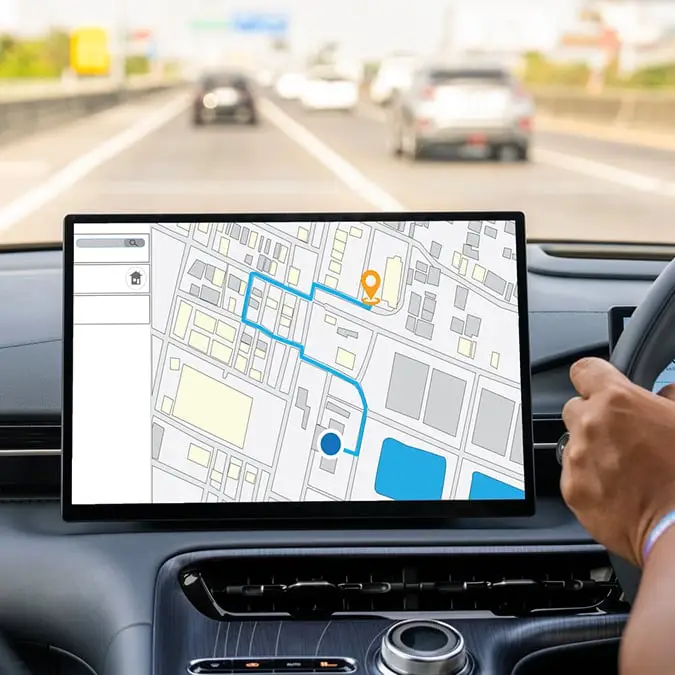
New law could soon see your car tracking your every move from behind the wheel


Just when we thought things couldn’t get anymore dystopian, a new law could mean that your vehicle will start to track your every move.
It might sound like an episode of Black Mirror but this actually has the potential to become our reality.
This comes after the Infrastructure Investment and Jobs Act was passed by the United States Congress and buried within the new law is a requirement that could completely change how cars work.
This includes forcing car manufacturers to create new systems that have the ability to detect when a driver is impaired.
Advert
While this might sound like it could be a win for safety, because if the car can tell that the driver is intoxicated, it could stop them from driving, however it might end up being messier than expected.
First off, the technology doesn’t actually exist yet, according to the National Highway Traffic Safety Administration (NHTSA), although the aim is to roll this feature out as early as next year.
One major concern from members of the public is just how accurate the tech will be.
There is currently no system in vehicles that can reliably measure alcohol levels through breath or blood, and even if something like this did exist, it still might not be good enough to be practical.
The NHTSA has also warned that even a system that’s 99.9 percent accurate could wrongly flag millions of sober drivers every year, potentially stopping them from using their own cars.
To get anywhere near making this work, car manufacturers would likely need to rely much more heavily on in-car monitoring.
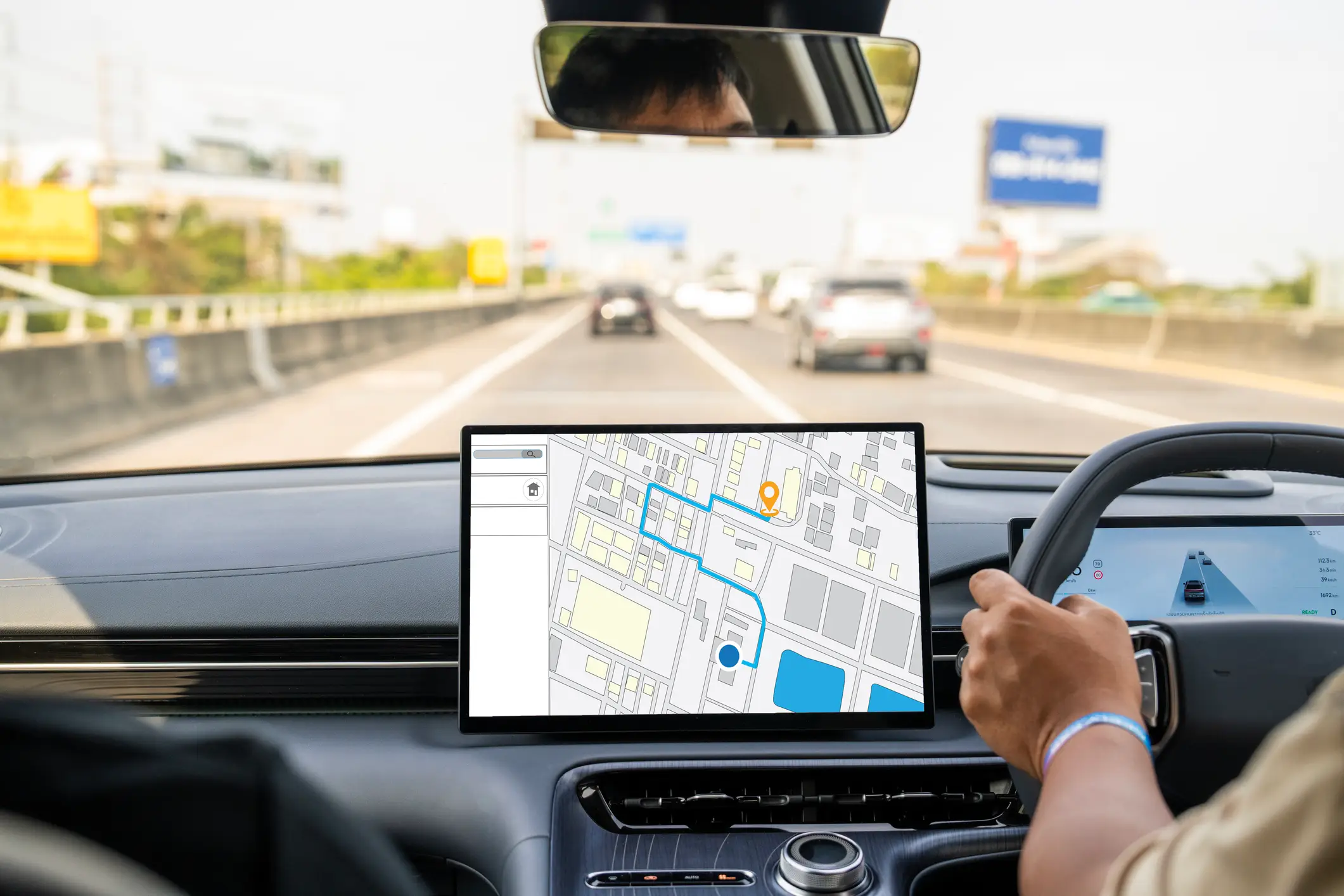
But what does that mean in real terms? Well, it turns out that this could result in more cameras inside the cabin, tracking eye movement, behavior, and even how you handle the steering wheel. Some cars already do parts of this, like detecting when you’re tired or distracted, but taking it further into detecting alcohol or drug use brings up some uncomfortable questions around privacy.
Modern vehicles already collect more data than a lot of people realize, from location and speed to driving habits and system diagnostics.
In some cases, there is even video involved, so adding yet another layer of monitoring on top of that is where privacy concerns start to creep in, especially around how that data might be stored or used.
However, there is still a lot to be done before this tech is approved for commercial use, but whether it’ll be ready by 2027 remains to be seen.