Microsoft spent $7.6 billion developing confidential 'dream' product that was never released


Releasing a successful piece of tech isn't just about having the right ideas as you need to nail the timing too, as evolution happens often before you react and can leave you behind with ease.
Many of the tech industry's biggest failures happened to companies that were already on top but got complacent, letting a new competitor come into the field with an innovative approach, moving expectations forward at a rate too fast to keep up with.
This is exactly what happened when Apple entered the smartphone market, as while Nokia and Blackberry felt comfortable in their dominant positions, things have never been the same following the debut of the iPhone.
Unfortunately another company that was hit unexpectedly by Apple's sudden rise to the top was Microsoft, as they had been developing a 'dream' for years only to see it wash away in failure, dramatically overshadowed by the new competition.
Advert
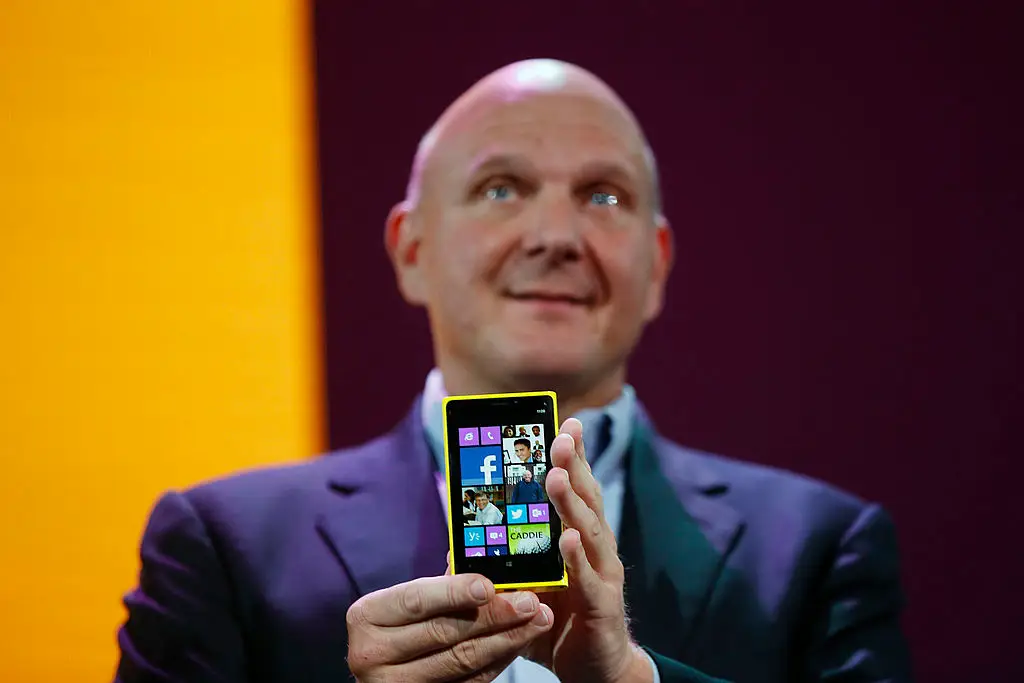
As shared by Supercar Blondie, this all started when Microsoft purchased the aforementioned once-dominant Nokia in 2012 for a staggering $7.3 billion fee, presumably with the view of rolling out their own red carpet towards the smartphone throne.
The company started development for what could have been a game-changing product for smartphone owners, as the idea was to have a gadget that operated like Windows but in a handheld package.
This had already somewhat taken shape within Nokia's Lumia devices, which allowed users to power up Word, Excel, Powerpoint and more from their phone, yet Microsoft wanted to continue to evolve on the design.
Unfortunately it couldn't keep up with the new approaches that Apple was taking with the iPhone, and reports of lacklustre performance and usability hampered later Lumia releases, leading the brand to be discontinued in 2016.
That $7.6 billion figure had suddenly been washed down the drain, with 7,800 jobs sacrificed as a result of the closed mobile phone division, and many believe that we never got to see the full potential of a Windows phone as a result.
It's likely all down to timing, as it would have been the perfect device in the mid-to-late 2000s when phones were explicitly marketed with a more professional lens, but no longer had a place or an audience in a world that favored the simplicity and design-focused approach of the iPhone.
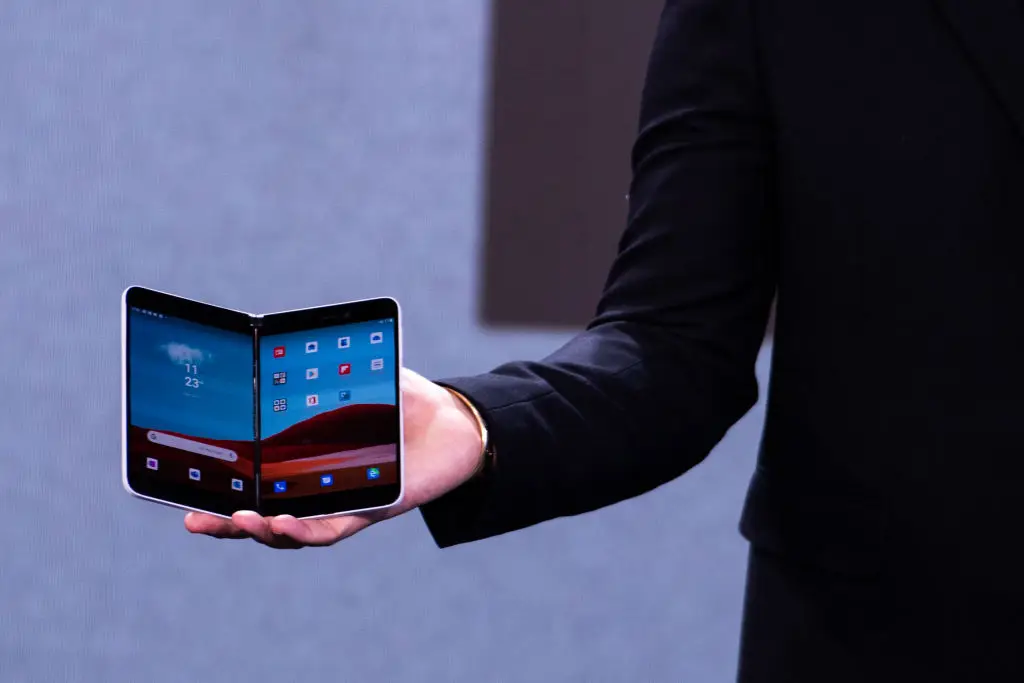
There was one last attempt to rekindle interest in a Windows phone with the release of the Microsoft Surface Duo in 2020 — which is eerily similar to the popular fold phones that we see in the high-end smartphone market today.
However, the world seemingly wasn't quite ready for that yet, as it was shut down and discontinued just three years later.