Every country where customs agents have the right to go through your phone


Every country has different laws when it comes to what customs agents are allowed to do, but one measure that's increasing in frequency across the globe is the risk of your phone being searched, exposing your private data and chats.
There are at present seven different countries where your electronic devices are legally allowed to be searched upon entry to the country, with the United States, Canada, Hong Kong, Mainland China, New Zealand, Australia, and Russia all implementing laws of varying degrees that permit what some deem to be a breach of privacy.
While there's nothing you can legally do to prevent your device from being searched when traveling to any of these seven leading nations, there are some tricks you can implement to protect as much data as possible from being viewed or exposed.
How to keep your data safe from customs searches
For example, people have discovered a 'loophole' of sorts with cloud storage in the United States where customs agents aren't allowed to view or store any data you've kept on the cloud through services like iCloud, Google Drive, or OneDrive.
Advert
This can be incredibly handy – especially as a back-up service if one of your gadgets is compromised as part of the process – and you'll also want to make sure you've implemented the 'five-click' trick to protect your device from cybersecurity threats in the United States.
Travelers have also been advised to keep data accessible on their devices to the very minimum, which can include information maintained through gadgets you might not expect like smart watches and other wearable tech, as anything can be used against you even if it doesn't initially appear to be malicious or compromising.
Phone searching laws explained
As reported by Newsweek, each of the aforementioned seven nations where customs agents can legally search your phone and other electronic devices handle it differently, so understanding the procedures and what is permissible is vital before you travel.
In Hong Kong, for example, travelers can be requested by police to legally provide compromising information like passwords of decryption assistance, and refusing to comply is deemed to be a criminal offense.
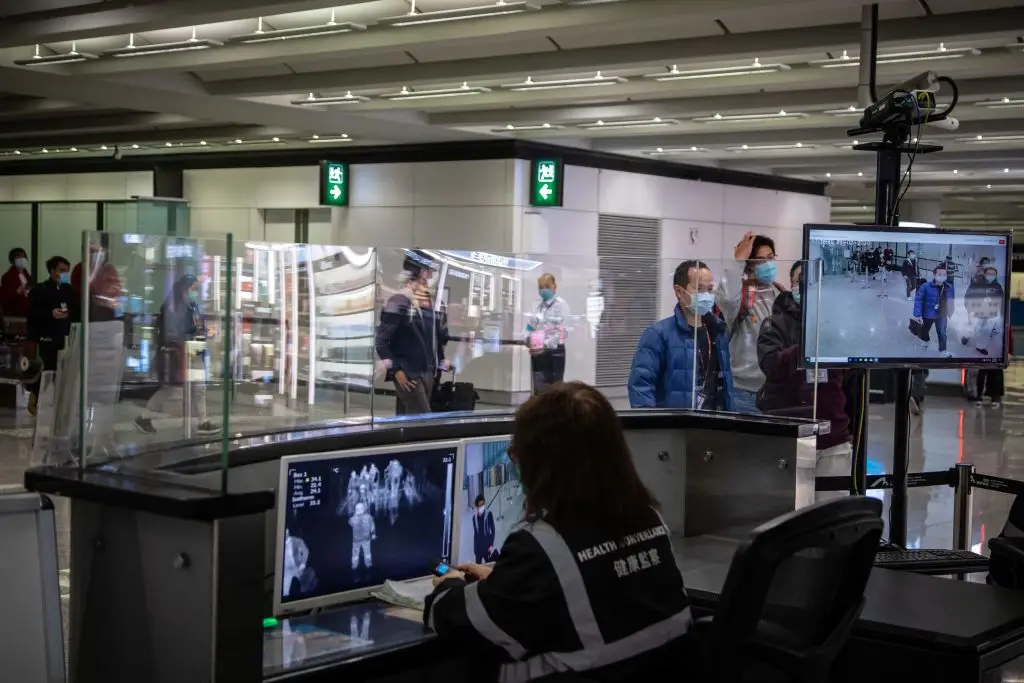
This could even apply to you if you're using Hong Kong International Airport as a changeover and not actually entering the country, so it's best to remain vigilant and careful if your trip takes you there.
While it may not have consequences as strict as Hong Kong, traveling to New Zealand and refusing to hand over devices or provide information regarding passwords can carry a hefty fine, with totals reaching as much as NZ$5,000 ($2,855) — although searches are rarer in general.
Canada offers similar restrictions to the United States when it comes to only accessing content stored directly on the device, leading experts to recommend keeping as much as possible on the cloud.
Australia, as well as Canada, can and will seize devices if travelers refuse to provide information to unlock accounts or gadgets, with the former potentially incurring detention or escalation if officials suspect that they're being prevented from accessing illegal content or data.
Finally, both Russia and China have relatively unclear laws when it comes to data searches, although you're warned to expect limited digital privacy and run the risk of breaching local laws by refusing to comply.