The Supreme Court just ruled your smartphone is legally a 'private diary' in landmark decision


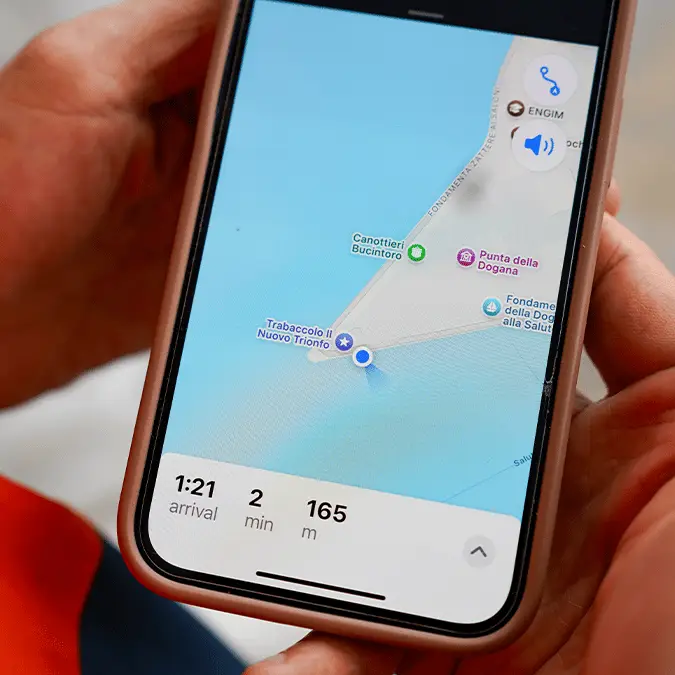
Your phone's location data is now kept private and protected by the Fourth Amendment following a new ruling by the Supreme Court, as a 6-3 decision in Chatrie v. United States has led certain personal devices to be deemed 'private diaries'.
These concerns and the subsequent reinterpretation of the U.S. Constitution spawned from an incident back in 2019, where a bank robbery prompted police to use a 'geofence warrant' and obtain data from all devices that were active at the time of the crime, as per ExtremeTech.
Law enforcement then took advantage of Google's Location History data without the explicit permission of individuals involved in the gadget sweep, using this to narrow down individuals and identify the suspect, Okello Chatrie, who moved to suppress the results of the geofence warrant.
Now, following the conclusion of the Supreme Court hearing, it is now put into place that accessing data through these means violates any individual's reasonable expectation of privacy regardless of whether the data itself is being stored externally.
Advert
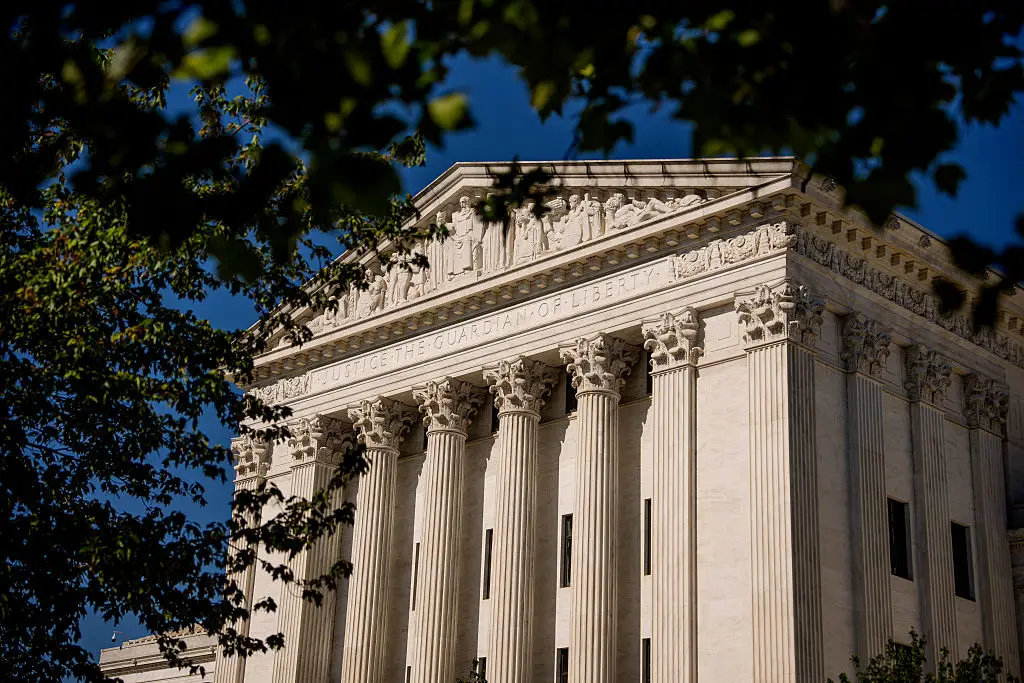
This would make geofence warrants a potential breach of the Fourth Amendment, which ensures that all American citizens are "secure in their persons, houses, papers, and affects, against unreasonable searches and seizures," including location data from phones and similar gadgets within this remit now.
Geofence warrants aren't suddenly prohibited in all instances, as police can still use them in situations that are justifiable — yet they must prove that the aforementioned constitutional rights are not breached, and that the search is narrow enough with tech companies possessing powers to push back against requests from law enforcement.
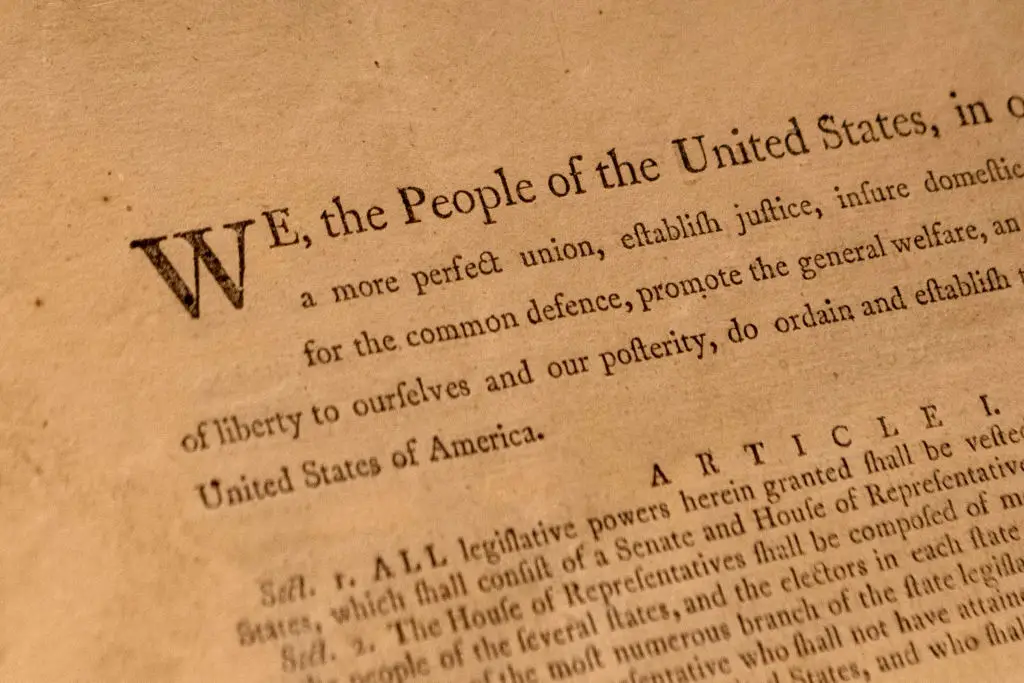
This is a major step forward in how your data is handled and kept private in a world that is increasingly hostile to that very concept, although it comes at a time when new tools are being introduced that threaten to eradicate your privacy even more.
For example, tech companies are looking to introduce new software to licence plate cameras than can scan for other electronic devices in your car – effectively tying the vehicle to your gadgets and subsequently to your movements – alongside the rising popularity of worrying AI-powered security cameras across the nation.
While police can't access location data from your phones, there's a chance that they won't necessarily need to in the future – if not already – as surveillance systems already appear to be reaching a level of sophistication that was previously reserved exclusively for science fiction.