Breakthrough 'diamond battery' with 5,700-year lifespan could transform energy as we know it


There's no reason to dig around in the kitchen drawer looking for fresh batteries anymore, as the world's first nuclear-powered 'diamond' battery is here.
With it potentially able to power devices for 5,700 years, you'll only need one - meaning it could revolutionize the energy industry as we know it.
Scientists from the United Kingdom's University of Bristol and the UK Atomic Energy Authority (UKAEA) have created the world’s first carbon-14 diamond battery, with it boasting several potential uses in everything from medical applications to space travel.
The University of Bristol has revealed the innovation, explaining how the carbon-14's half-life of 5,700 years can generate low levels of power. Working differently to solar panels capturing light particles, carbon-14 batteries trap fast-moving electrons inside the diamond structure.
Advert
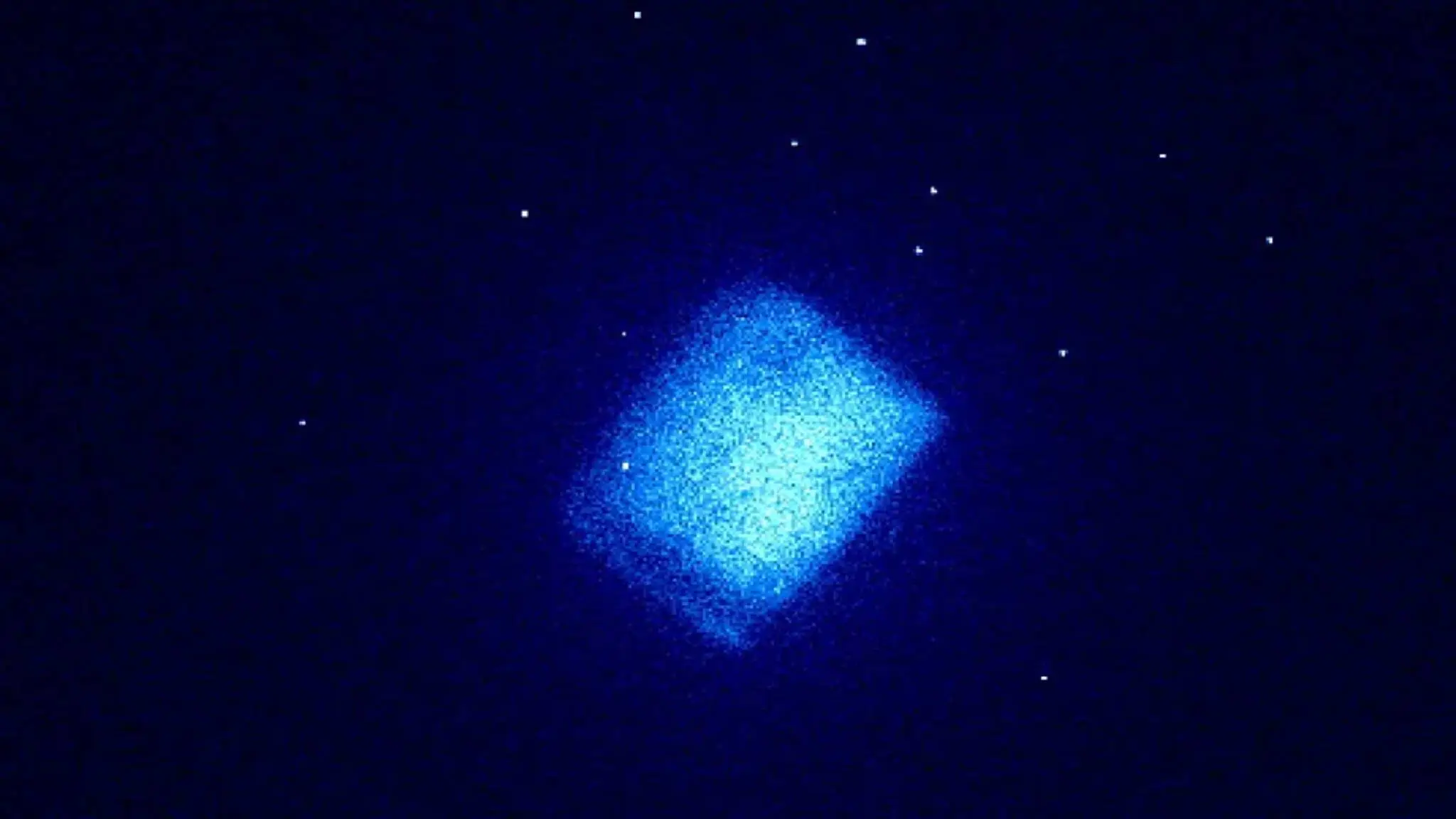
Scientists and engineers from the organizations built a plasma deposition rig to grow the diamond at UKAEA’s Culham Campus.
Because diamond is one of the planet's toughest materials, it stops the radiation from escaping.
In terms of what carbon-14 nuclear batteries can be used for, the team thinks they could power ocular implants, hearing aids, and pacemakers, meaning they'd minimize the need for replacements.
They could also be used in extreme conditions in space on Earth where traditional batteries won't be suitable. The idea is that carbon-14 batteries could power active radio frequency (RF) tags to track devices including spacecraft and payloads for decades at a time.
Hyping the importance of carbon-14 nuclear batteries, Professor Tom Scott, Professor in Materials at the University of Bristol, said: "Our micropower technology can support a whole range of important applications from space technologies and security devices through to medical implants.
"We're excited to be able to explore all of these possibilities, working with partners in industry and research, over the next few years."
It's all part of the UKAEA’s work relating to fusion energy, and looking further ahead, Sarah Clark, Director of Tritium Fuel Cycle at UKAEA thinks this discovery could change the energy industry: "Diamond batteries offer a safe, sustainable way to provide continuous microwatt levels of power. They are an emerging technology that use a manufactured diamond to safely encase small amounts of carbon-14."
As the graphite blocks the carbon-14 is extracted from are a byproduct of nuclear fission reactors, creating these batteries creates an energy source and reduces nuclear waste. Even if someone needs to dispose of carbon-14 nuclear batteries, they can be returned to the manufacturer for recycling. Considering the UK alone has around 95,000 tons of graphite blocks, it's a case of killing two birds with one (diamond) stone. While these diamonds aren't quite forever, 5,700 years is long enough.