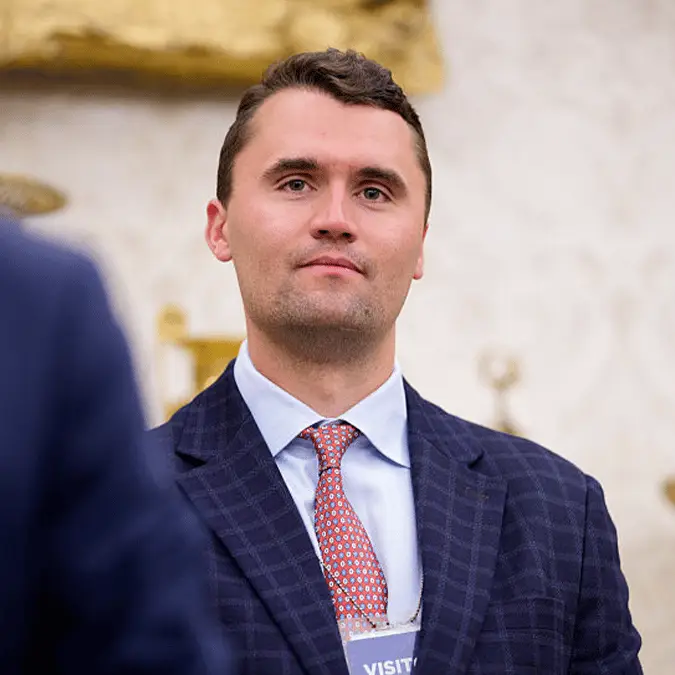
Charlie Kirk alleged killer's lawyers drop bombshell claim that bullet used in killing doesn't match rifle


The case surrounding the killing of conservative activist Charlie Kirk has taken a twist, after defence lawyers representing the man accused of his murder raised a startling new challenge.
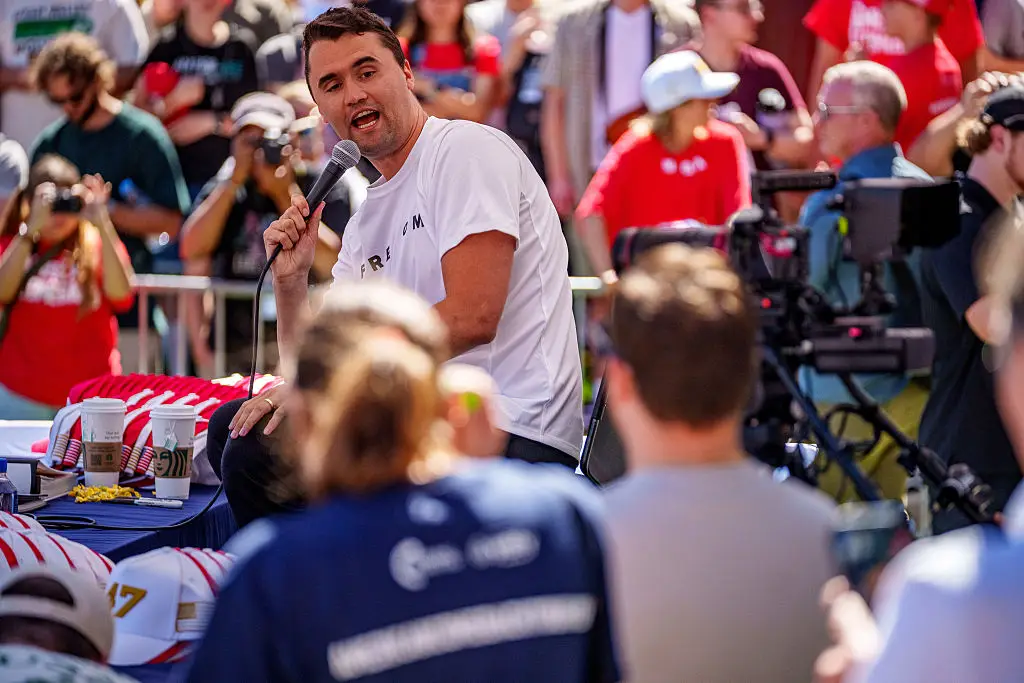
Kirk was shot on 10 September while speaking to a crowd of around 3,000 people on the campus of Utah Valley University in Orem.
He had been in conversation with a student named Hunter Kozak, discussing gun violence, when a lone gunman opened fire from the roof of the university's Losee Center.
Advert
Eyewitness accounts described a shocking scene, with Kirk sustaining a fatal wound to the neck. President Donald Trump later confirmed his death, though the announcement came some time after news reports had begun to circulate.
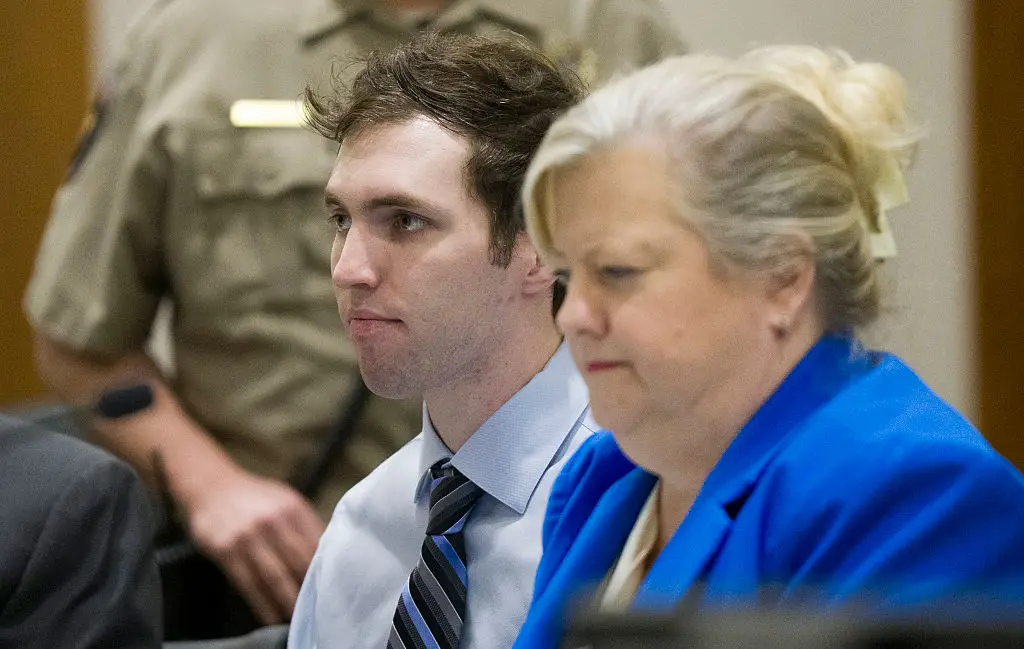
Tyler Robinson has been charged with aggravated murder in connection with the shooting. Defence lawyers have now filed a motion requesting a postponement of the preliminary hearing, currently scheduled for May, to allow additional time to investigate.
According to an analysis conducted by the Bureau of Alcohol, Tobacco, Firearms and Explosives (ATF), the defence failed to establish a conclusive link between a bullet fragment recovered during Kirk's autopsy and the rifle found near the scene of the shooting.
While the ATF report itself has remained sealed, Robinson's legal team has referenced excerpts in public court documents, leading the FBI to conduct further testing, court filings revealed.
The success of the forensic analysis relies on the condition and size of the recovered bullet fragments.
Forensic ballistics experts examine the microscopic markings left on a bullet as it travels through a gun barrel, which are unique to each firearm like a fingerprint.
The 22-year-old has not yet entered a plea.
Meanwhile, prosecutors have pointed to other evidence linking Robinson to the crime. According to prosecutors, Robinson also reportedly texted his romantic partner that he targeted Kirk because he had 'had enough of his hatred.'
DNA consistent with Robinson's profile was also recovered from the trigger of the rifle, a fired cartridge casing and two unfired cartridges found at the scene.
However, defence attorneys note that forensic reports indicate DNA from multiple people was found on some items, which requires a more complex analysis.
The case is still ongoing and Robinson is next due in court on 17 April, for a separate hearing on a defence motion seeking to ban cameras from the courtroom.