Man creates ChatGPT prompt to get 'perfect' answer in any possible scenario


Millions of people use ChatGPT every day, yet they might not be getting the most out of the rapidly evolving AI tool. Now, one man has shared what he believes to be the prompt that can get you the 'perfect answer' you're looking for.
There have been countless attempts in the past to achieve the 'perfect' prompt when using ChatGPT — a mythical chain of words that always gets you what you're looking for, no matter what – but that often ends up being too good to be true.
Some have suggested using the artificial intelligence itself to manufacture exactly what you need to ask, as who better to look for the inner workings of AI than ChatGPT?
That doesn't always work as intended, either, and can leave the model in a frustrating loop, wasting more time than you expected.
Advert
Thankfully, one expert has put forward their own prompt that they claim will always get you the perfect answer. The key is that it's not the same thing every time, but instead, a methodology you can use going forward.
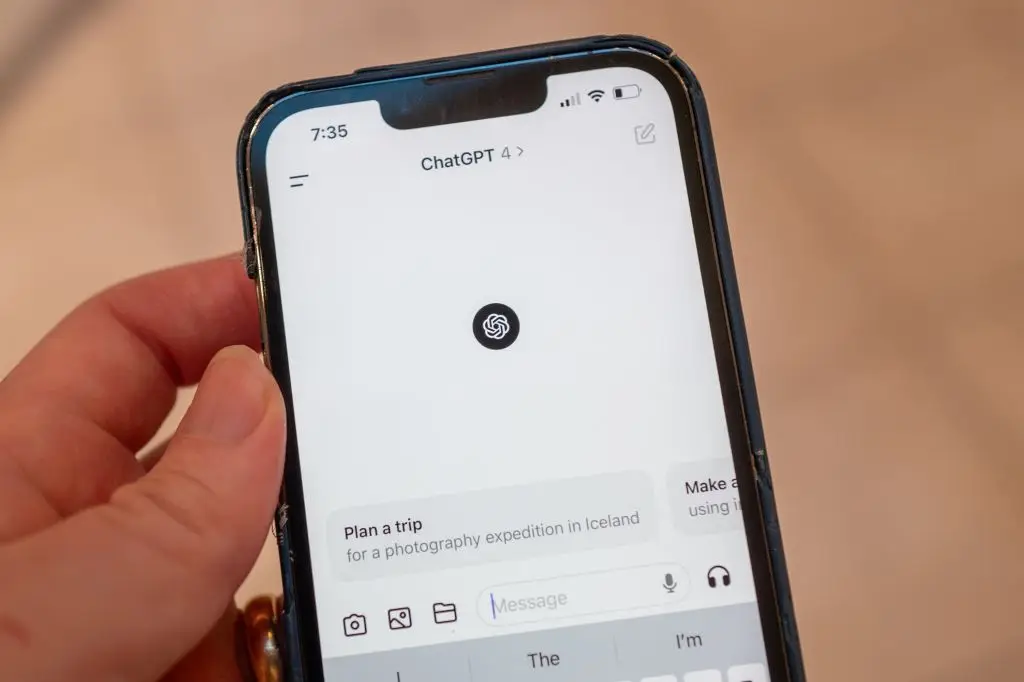
As shared by Saikat Basu over at MakeUseOf, his so-called 'holy grail' of prompts utilizes the 'three Cs' of clarity, context, and constraints to give ChatGPT direction and power to provide the best possible answer, no matter what you're asking.
The aim here is to provide ChatGPT with a 'role' for it to fulfil, which it can then use to work towards a goal, and you add context and specificity to help narrow down the answer you're seeking.
For example, where you might typically just ask ChatGPT to "write me something about productivity," you're more likely to get a better answer if you use the aforementioned framework in this way:
"Act as a time-management coach and give me five 10-minute productivity systems I can test this week."
This provides the tool with not only a greater sense of responsibility and purpose in providing you with an answer, but also refines exactly what you're looking for to get you the ideal solution from the get-go.
Additionally, one secret 'trick' that you can also employ is to prompt ChatGPT to ask you a question before providing you with its answer, and that helps clear up any misconceptions or misunderstandings that it might have perceived from your initial prompt.
You can apply this method to just about any question or request you have for OpenAI's popular AI tool, so definitely give it a try next time you're using the service, as you'd be surprised at how effective it can be in practice.