Harvard physician reveals what your resting heart rate is secretly telling you about your health


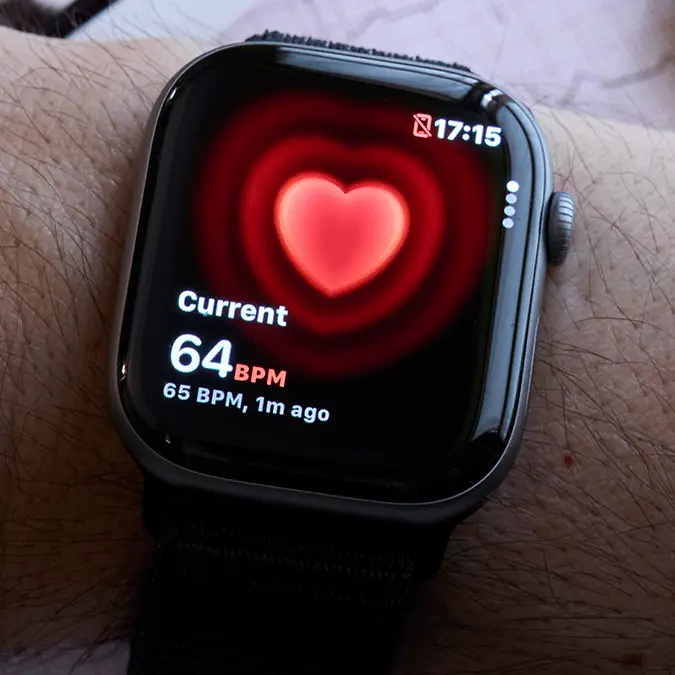
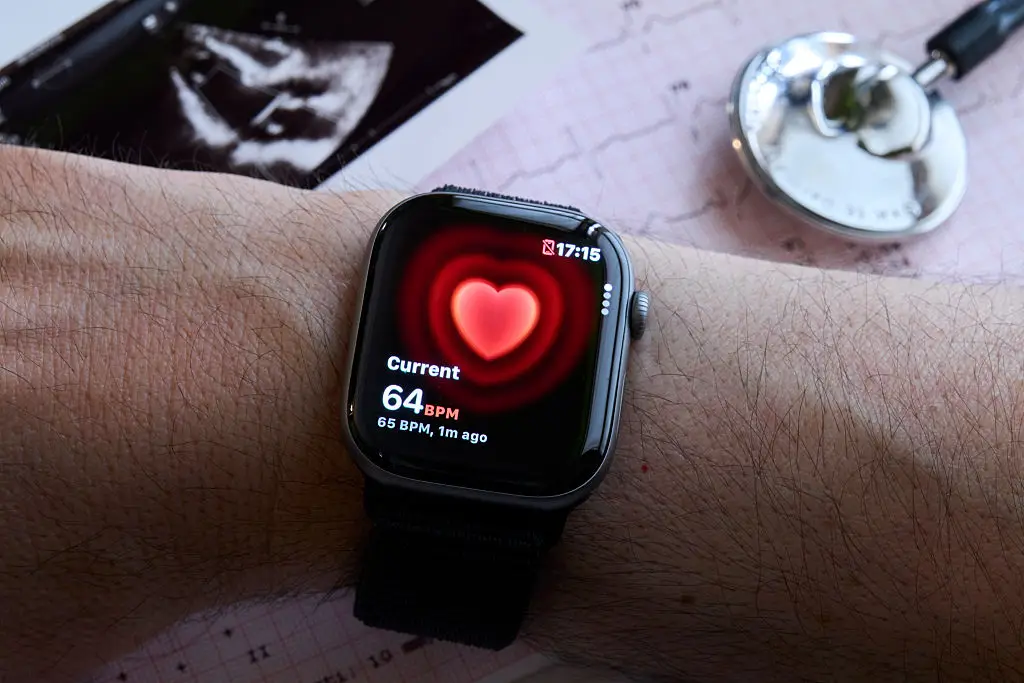
More people than ever are aware of their heart rate thanks to the rise of wearable health trackers, yet you might not quite understand how much you can find out from the resting value, as Harvard physician Mallika Marshall, MD, reveals what you should look out for.
It can be easy to become obsessed with that number on your Apple Watch, as watching it go up and down depending on what you're doing is often a good indicator of how hard your body is working overall.
While most primarily pay attention to their heart rate during exercise, or perhaps even when they're stressed, learning how to read your resting heart rate could be a valuable tool to keeping in good health — especially as you age.
Mallika Marshall indicates, via Harvard Health Publishing, that your resting heart rate (often also referred to as your pulse) can indicate both your aerobic capacity and the risk of suffering from a heart attack, so it's definitely something you'll want to pay attention to going forward.
What is a good resting heart rate?
According to Marshall, there is technically no such thing as a 'good' resting heart rate as it very much depends on your age, overall health, and general exercise levels, yet for most people it ranges between 60 and 100 beats per minute (BPM).
Advert
Most health adults sit somewhere in the field of 55 to 85 BPM, however, yet factors such as stress, anxiety, medication, and hormones can cause this to rise despite your heart otherwise remaining relatively healthy.
People who exercise a lot, especially in more athletic and cardiovascular fields, can have resting heart rates in the 40s, showing that it's not necessarily a hard and fast rule or range to stick by and changes from person to person.
When should you be concerned about your pulse?
That doesn't mean that you should simply ignore readings that are unusually high or low, however, as extremes on either end should prompt you to consult your doctor or seek out medical advice as it could be the sign of danger on the horizon.
"A heart rate that is slow for the average person is worrisome, and should prompt a call to your doctor's office," Marshall explains, "especially if you feel weak, lightheaded, or short of breath."

She also notes that "on the other end of the scale, a resting heart rate that is consistently above 90 beats per minute is also something your doctor should be aware of.
"Although that's within the normal range and may not necessarily indicate a serious problem, it could be a sign of something amiss."
The conversation becomes even more complicated when it comes to any individuals maximum heart rate, which is the number that you'd expect to healthily meet if your heart is working as hard as it can.
This slowly decreases the older you get, with a 40-year-old's maximum heart rate being around 180 BPM, dropping to as low as 150 BPM for someone who is 70-years-old.
People should also pay attention to the corresponding target heart rate range for their age, as that can decrease from 90 to 153 BPM for a 40-year-old, all the way down to 75 to 128 for a 70-year-old.