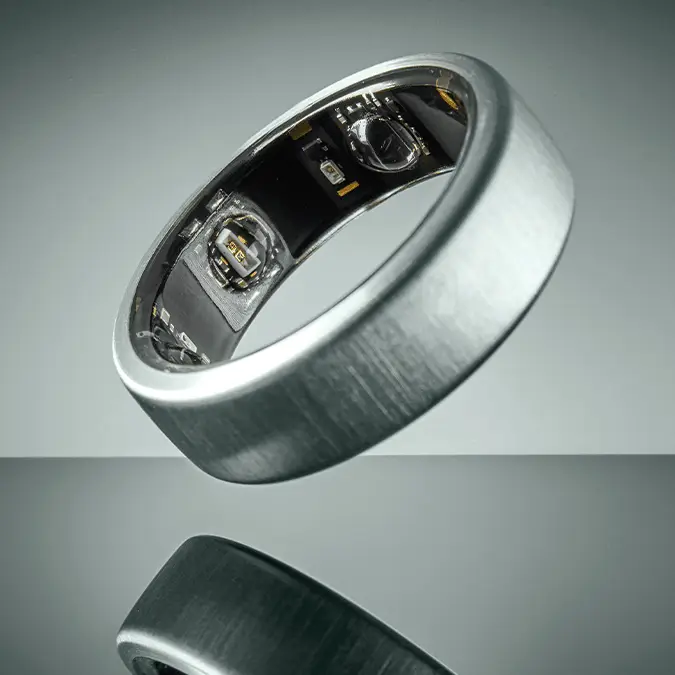
Woman's Oura Ring uncovered heart condition that doctors couldn't diagnose


We hear more and more about tech managing to supposedly saving people's lives in unexpected ways, and whether it be GPS signals locating people lost in the wilderness, your smart watch detecting a fall at home, or AI diagnosing medical issues that a flesh-and-blood doctor might've missed, it's not all doom and gloom as tech seemingly evolves beyond our own capabilities.
Like we've seen Apple more recently add features including sleep apnoea detection and hypertension notifications to the Apple Watch, health-conscious tech fans continue to be impressed by the Oura Ring.
While particularly praised for its focus on women's health in terms of menstrual cycles, the Oura Ring's health radar scans baseline trends in temperature, blood oxygen, breathing regularity, and blood pressure signals to potentially flag early signs of illness.
We previously reported how the Oura Ring clocked one woman's early warning signs, which came in particularly handy for Tom's Guide's Ashley Thieme. Thieme explained how she felt 'off' for months following major surgery.
Advert
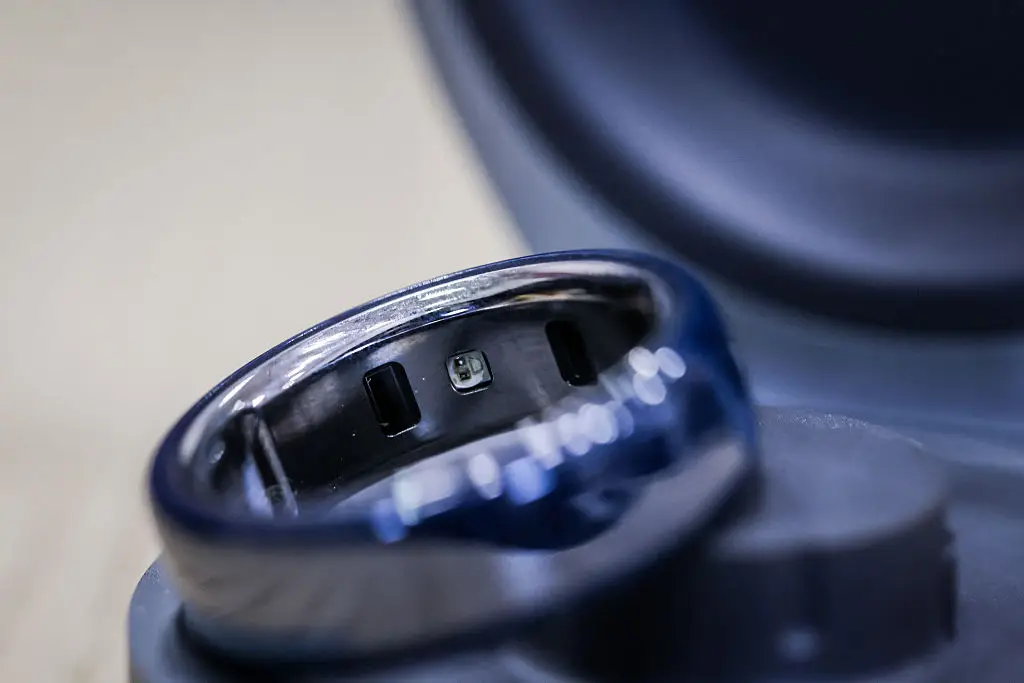
As things didn't seem to improve and she found herself cancelling plans while also avoiding her workout routine, Thieme noticed that her readiness score was starting to slip.
With the Oura Ring reporting that her heart rate variability (HRV) had crashed and her resting heart rate was higher than ever while asleep, she took herself to the doctor in search of answers. More than this, Ashley was getting alerts on her Oura's Symptom Radar app, showing that her biometrics were experiencing signs of strain.
Even though she was initially told there was nothing wrong by the doctor, a jumping heart rate and Thieme experiencing 'noticeable palpitations' took her back to the doctor for one more consultation.
This time around, she showed the doctor her biometrics and was diagnosed with a fast heartbeat, known better as tachycardia.
She now works with health professionals to try and get to the cause, while also trying medication and creating focused exercise plans.
By slowing down and taking note of stressors in her life, Thieme's updated metrics show things have massively improved.
While a cautionary tale for us all, Thieme warned: "It’s paramount that you don’t jump to conclusions and make assumptions based on a few numbers; you should always seek advice about any health concerns you have from a medical professional."
This was echoed by Dr. Manu Sehgal, Senior Medical Contributor at Medical Tourism Corporation. Sehgal reiterated that smart rings like Oura shouldn't be considered diagnostic devices but can prove remarkably useful: "The key is to look for persistent patterns, not isolated readings. A single poor night's sleep or one low HRV value is rarely meaningful. Several weeks of consistent change, however, can provide valuable insight and prompt an earlier conversation with a healthcare professional.”
Importantly, your sleep health is one of the most important metrics when it comes to looking at your long-term health. As well as being affected by your cardiovascular and immune function, sleep is crucial to mood and cognitive performance.
Dr. Naheed Ali, certified in clinical research by the National Institutes of Health, concluded that the 'greatest value' of smart rings is in "identifying persistent deviations from your normal pattern...They're most effective when combined with healthy lifestyle habits, regular medical care, and attention to the whole person — not just individual numbers."
For Thieme, it looks like splashing out on an Oura Ring proves you can't put a price on your health.