Obscure 400-year-old law that decides who gets King Charles I’s $27m gold treasure


Millions of dollars worth of royal treasure has been discovered after 400 years when a 17th century wreck was uncovered just off the coast of Scotland.
It was thought that the ship named Blessing, was long gone but after years of searching, it has now been located.
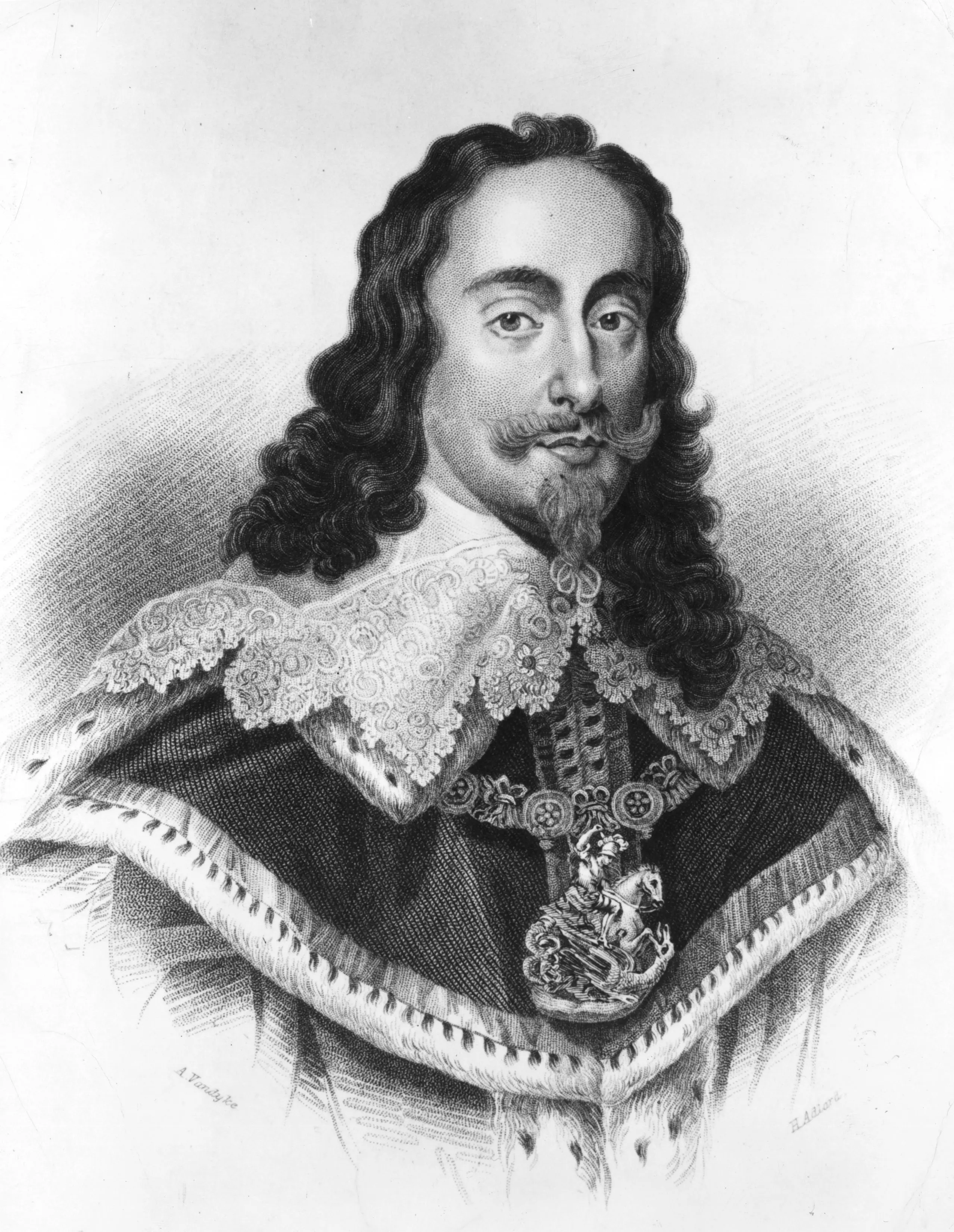
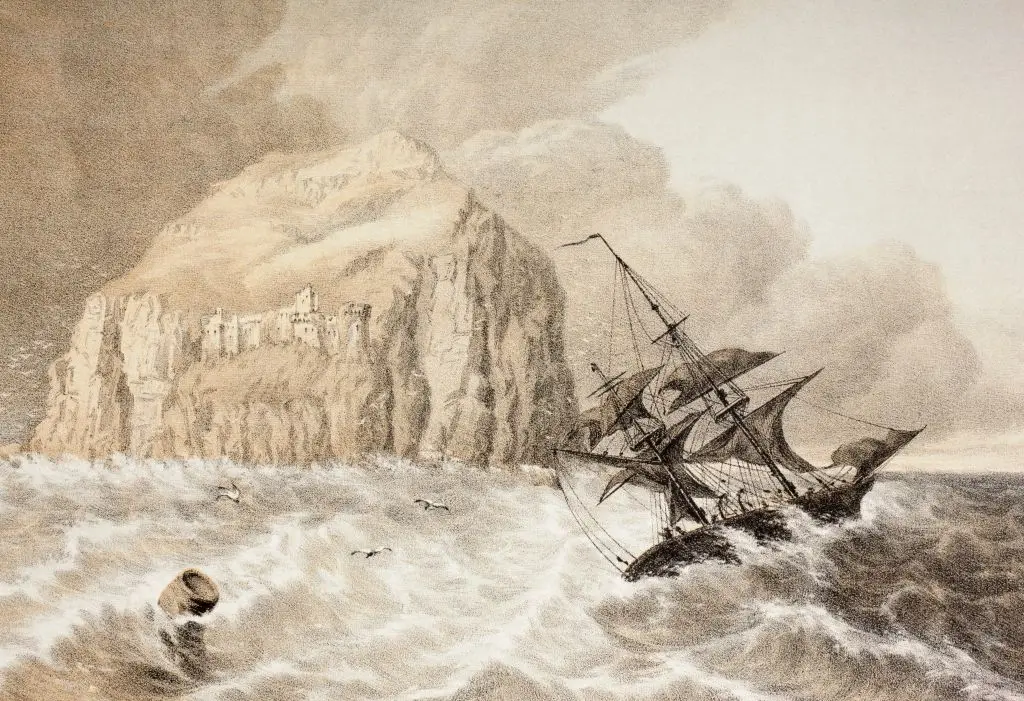
The vessel had been part of Charles I’s coronation tour in 1633 before a storm hit, causing the ship to sink along with its 35 passengers and crew, with only two surviving the ordeal.
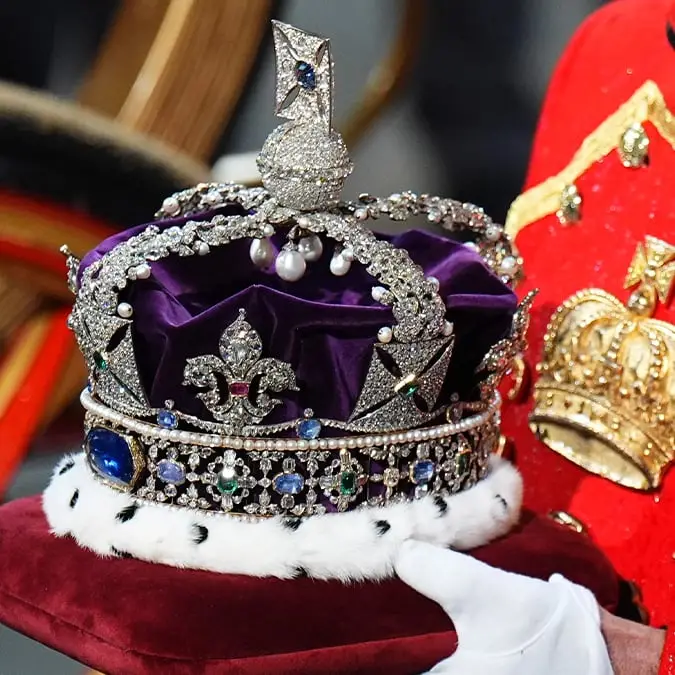
Also aboard was treasure belonging to the then king, which is reported to now be worth around $27 million, with some experts suggesting that the boat sank due to the sheer amount of gold and heavy treasure that was onboard at the time of the severe weather.
Advert
So, who will get to decide what happens to the gold and jewels that were found? Well, it won’t be a case of finders keepers but instead, it will be up to the Crown due to an ancient law that is still in effect in Britain to this day.
The Merchant Shipping Act states that all materials from wrecks recovered in UK waters must be first reported to the Receiver of Wreck within 28 days of its discovery.
From there, any unclaimed wrecks after a year will revert to the Crown, who will determine where the findings are placed.
According to Historic Environment Scotland, nearly all discoveries made in the country are subject to Treasure Trove.
They continue: “Unlike England, they do not have to be made of precious metals. If you think you have found something of archaeological significance in Scotland, you must report it to Treasure Trove within one month of finding it.”
The search for Charles I’s missing treasure ship
The search for the Blessing first began back in 1991 and, following the withdrawal of an American exploration company in 1996, it was taken over by the Burntisland Heritage Trust.
The trust described progress being made in the search as ‘slow’ largely due to the fact that it was relying on volunteers and also because of the difficult underwater conditions.
However, the ship has now been discovered and the Trust has formally reported the finding to the UK Government’s Receiver of Wreck team.
It will now be up to them to determine the question of ownership and where items will be placed.
It is thought that such findings will soon be placed on public display in a museum.