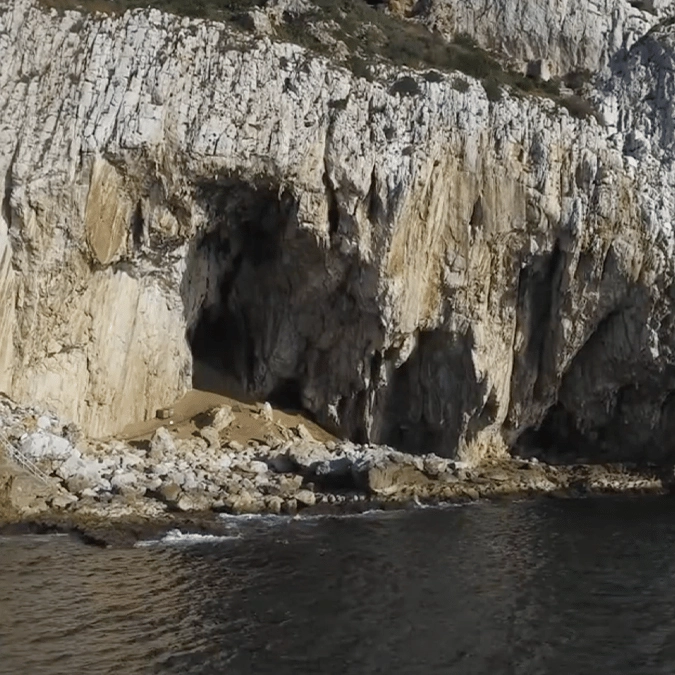
Archaeologists unseal 40,000-year-old cave revealing a discovery that 'rewrites history'


It's not every day scientists discover things that completely change our understanding of history.
So you can imagine the surprise for a group of archaeologists when they uncovered a cave that had remained untouched for 40,000 years and found what appears to have 'changed human history.'
Gorham's Cave in Gibraltar is considered among the last Neanderthal habitats on Earth as the ancient humans' population declined worldwide. The broader Iberian Peninsula is also associated with the first unearthing of a Neanderthal skull back in 1848.
Scientists previously estimated that these ancient hominins became extinct on the island about 42,000 years ago.
Advert
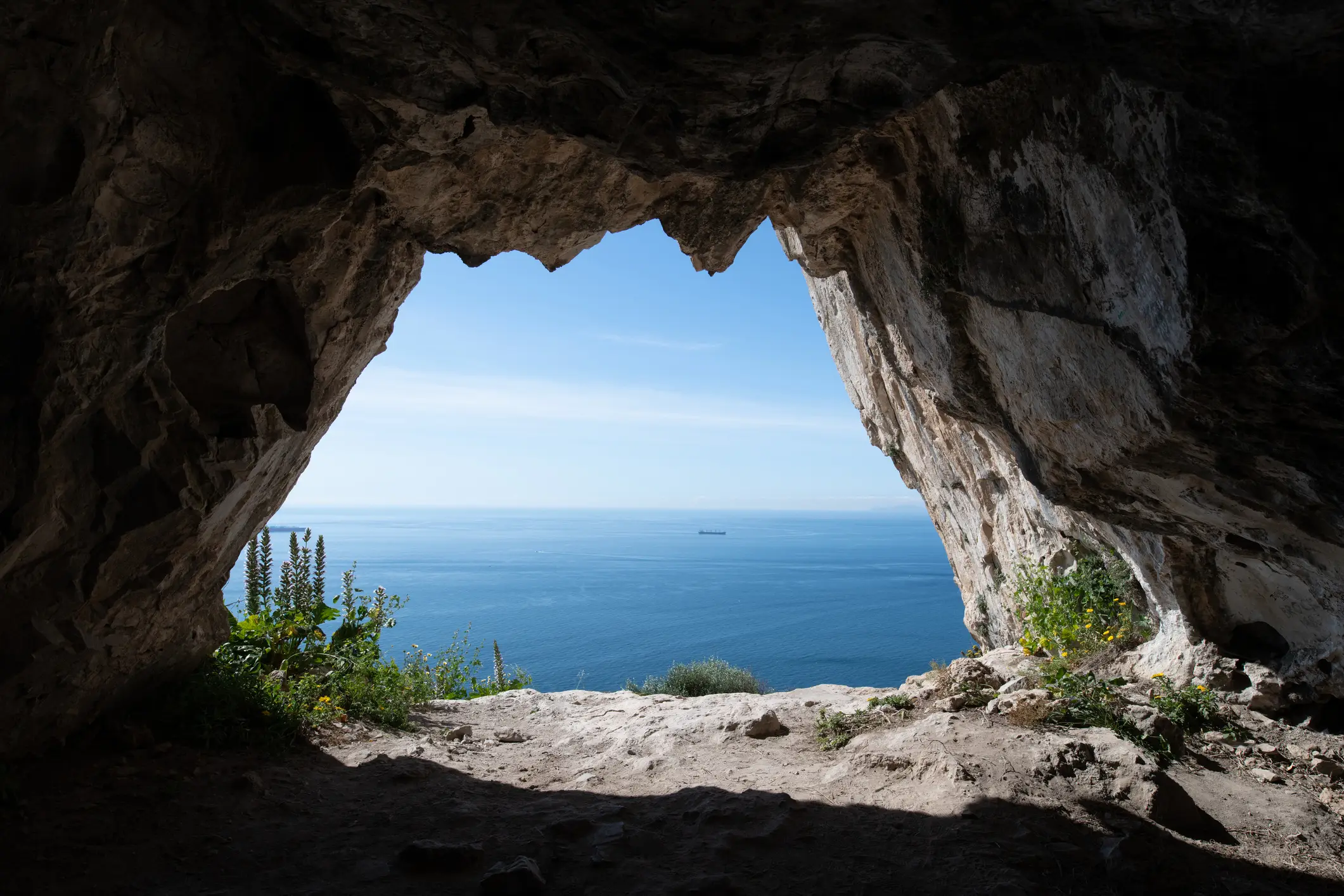
However, the recent exploration of Gorham's Cave is leading scientists and historians to question just how long ago the Neanderthals actually inhabited the region.
New theories propose they might have inhabited the Rock as recently as 24,000 years ago.
"It is typically held that these hominins went extinct around 40,000 years ago, but the artefacts in Gibraltar suggest some populations might have held on much longer," noted IFLScience.
Captain A. Gorham of the 2nd Battalion Royal Munster Fusiliers first discovered the cave in 1907 while attempting to widen a fissure in the rock face.
In 2016, Gorham's Cave was designated a UNESCO World Heritage Site for its profound historical importance.
The cave is one of four located within the sheer limestone cliffs along Gibraltar's eastern coastline. Gorham's Cave exists alongside Vanguard Cave, Hyaena Cave and Bennett's Cave. Research indicates that Neanderthals occupied the area for roughly 100,000 years.
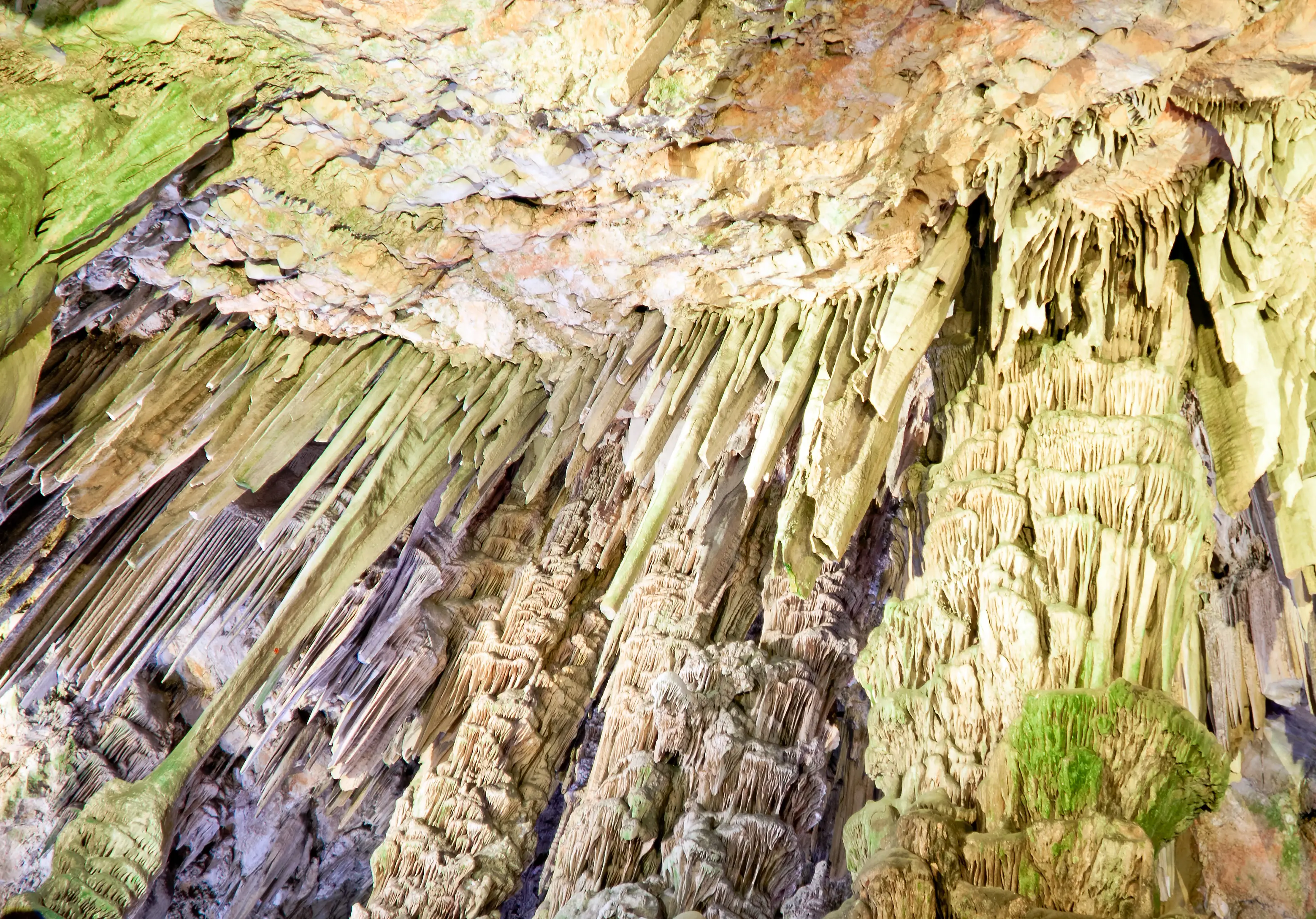
"This exceptional testimony to the cultural traditions of the Neanderthals is seen notably in evidence of the hunting of birds and marine animals for food, the use of feathers for ornamentation and the presence of abstract rock engravings," UNESCO's description of Gorham's Cave states.
It notes that scientific research into the caves has 'contributed substantially to debates about Neanderthal and human evolution.'
Excavations at Gorham's Cave have uncovered remarkable ancient relics, such as charcoal, bones, stone implements and charred seeds.
This follows a previous investigation in 2021 when a research team found a fresh chamber in the adjacent Vanguard Cave. The chamber forms part of the broader Gorham's Cave network which includes lynx, hyaena and griffon vulture bones along with what they believe is a large whelk.
"The whelk is at the back of that cave [...] it's probably about 20 metres from the beach. Somebody took that whelk in there [...] over 40,000 years ago," explained Clive Finlayson, the director and chief scientist at the Gibraltar National Museum. "So, that's already given me a hint that people have been in there, which is not perhaps too surprising. Those people, because of the age, can only be Neanderthals."
Following the findings from the study, he added: "How many times in your life are you going to find something that nobody's been into for 40,000 years? It only comes once in your lifetime, I think."