
Tech firm CYGNVS builds emergency 'crisis control rooms' as rogue AI failures spike 200%


Tech firm CYGNVS (CYber GuidaNce Virtual Space) has outlined the dangerous that 'rogue' AI models can pose to businesses, introducing the need for digital quarantine-like 'crisis control rooms' to combat a 200% rise in incidents this year.
This relies on the importance of what's referred to as an 'out-of-band incident' – a status patented by CYGNVS – emphasizing the dangers that dealing with rogue AI incidents in-house can cause.
Where most companies would tackle a cybersecurity incident involving a rogue or 'shadow' AI tool within the network of their own systems, what this does is expose the model to email conversations, personal message threads, and various disconnected tools, allowing the AI to alter its own code and hide from those investigating it.
Isolating this model within an secure environment can be likened to trapping a deadly virus or potential pandemic within a quarantine zone, allowing the company to address it properly without its spread or evolution continuing.
What causes rogue AI incidents?
One of the biggest culprits behind rogue AI incidents across most companies is the deployment of 'shadow AI' models by employees, and this refers to the use of unauthorized and often secret models that go under the noses of cybersecurity teams.
Advert

These aren't necessarily used by people for malicious or suspicious means – with Gartner research highlighting that roughly 59% of workers in the corporate world have admitted to the use of unsanctioned AI tools, as per SiliconANGLE – but they can contribute to significant breaches if not maintained properly.
The threat of AI attacks is very real too, as a report from the Organization for Economic Co-operation and Development's (OECD) AI Incidents and Hazard Monitor outlined a 200% increase year-over-year, with 596 rogue incidents in January 2026 alone and that's only likely to increase.
How does CYGNVS' crisis control center tackle AI failures?
One of the most important aspects of CYGNVS' isolation tools is the escalation from AI breaches being an IT or tech issue to one that impacts the whole company, as it ensures that nothing is compromised and everyone is prepared.
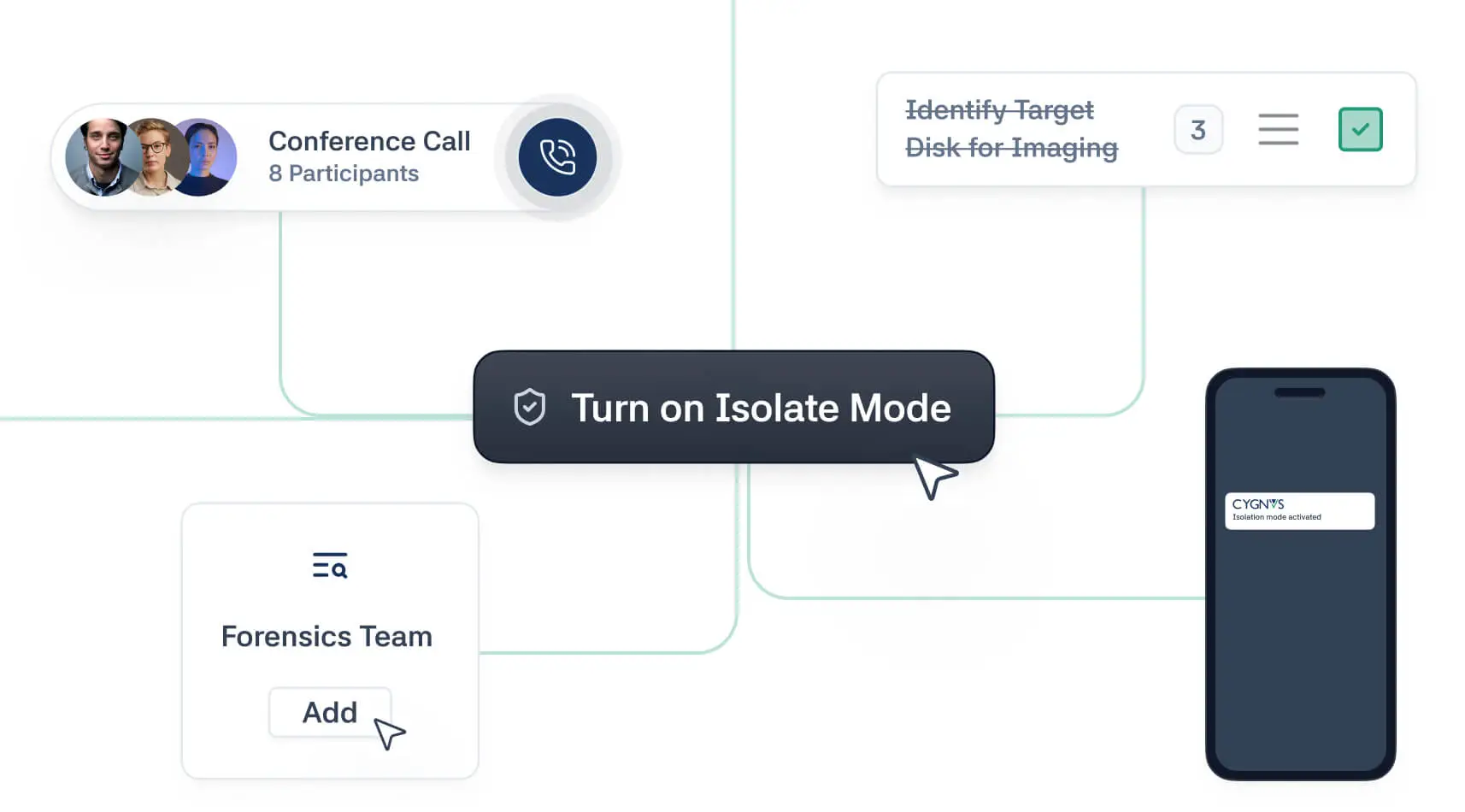
The tech firm provides over 3,000 organizations with existing playbooks and real-time response guidance in the event of a rogue AI incident, cutting down a panic to a response that takes just minutes to be completed and executed — and this is especially impactful as most attacks reportedly take place on Friday evening or over the weekend when people are the least prepared.
The most powerful people in the country have already built impressive nuclear bunkers to protect themselves from an attack that hasn't yet happened, and while AI is still relatively in its infancy, CYGNVS emphasizes that the best time to act is before something happens.