ChatGPT makes major change as reports swirl that OpenAI could go bankrupt as soon as next year


OpenAI's ChatGPT might be undergoing a drastic change that could leave many users unhappy.
The world's most popular AI chatbot boasts over 800 million weekly users, primarily young adults who use it for learning, work, and productivity.
However, the company has faced scrutiny over the past year for inadequate safeguards for younger audiences, leading to several lawsuits and a wave of what experts are classifying as 'AI psychosis.'
Now, the tool might be about to face more backlash as it introduces something many of us pay to avoid.
Advert
Over recent years, streaming platforms like YouTube and Netflix have implemented tiered subscription models requiring customers to pay premium prices for ad-free viewing. ChatGPT is now likely to join the trend as reports circulate that OpenAI could face bankruptcy.
OpenAI announced it would begin showing advertisements in ChatGPT to some US users, in order to generate revenue from the chatbot and fund the technology's high development costs.
The ads will be tested with users on the company’s free tier and the lower-priced Go plan, which is becoming a common option.
Users can expect to see the ads in the coming weeks, and they will be separate from ChatGPT's responses. The company also noted that advertising would not influence ChatGPT’s outputs and that user conversations would not be shared with marketers.
Meanwhile, users who pay for the Plus, Pro, Business and Enterprise tiers will not see any ads.
The move follows OpenAI's pressure to boost revenue beyond subscriptions, as it spends heavily on data centres and operating costs.
eMarketer analyst Jeremy Goldman said that if any ads feel clumsy or opportunistic, users can easily switch to rival chatbots such as Google’s Gemini or Anthropic’s Claude.
Although, Goldman added that the move could also pressure AI rivals 'to clarify their own monetisation philosophies,' especially those positioning themselves as ‘ad-free by design.’
Recent reports based on internal financial estimates suggest that OpenAI may face a $14 billion loss in 2026 alone as AI training and inference expenses outpace revenue growth.
If the trends continue, the AI giant risks severe cash shortages long before it reaches its profitability target around 2030, potentially leading to bankruptcy.
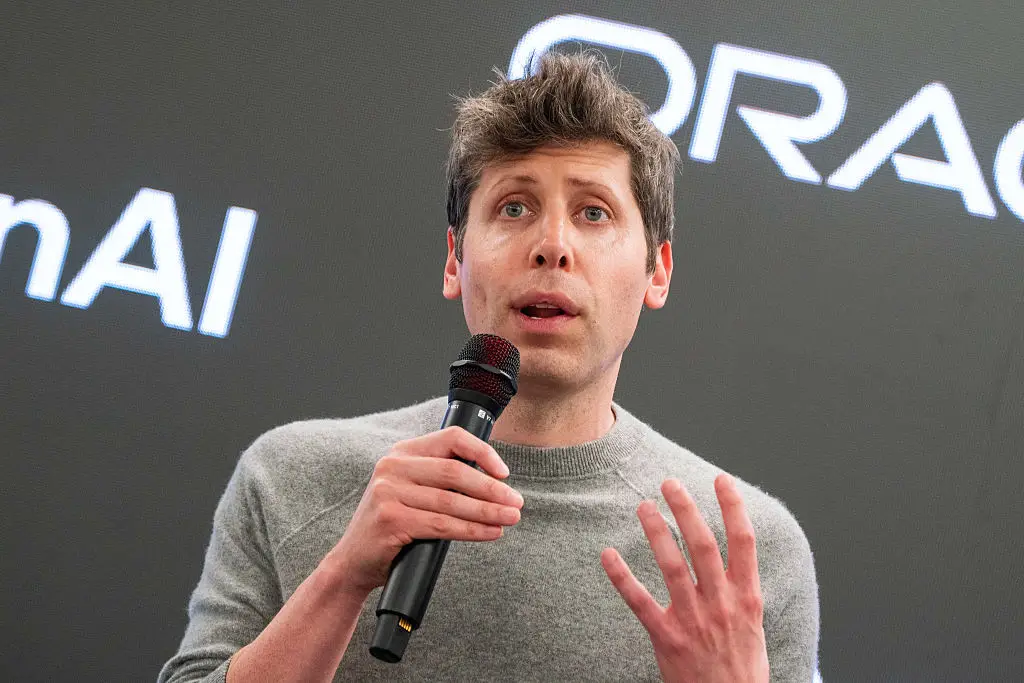
Based on industry projections from last year, OpenAI was already on track to spend around $8 billion in 2025, with deficits expected to escalate toward $40 billion by 2028. CEO Sam Altman has openly mentioned trillion-dollar data centre aspirations by 2030, a financial commitment that would exceed even the largest tech corporations, but hasn't shared how he plans to fund them.
OpenAI said it would not show ads to users under 18 and plans to block ads when conversations involve sensitive topics, such as health and politics.