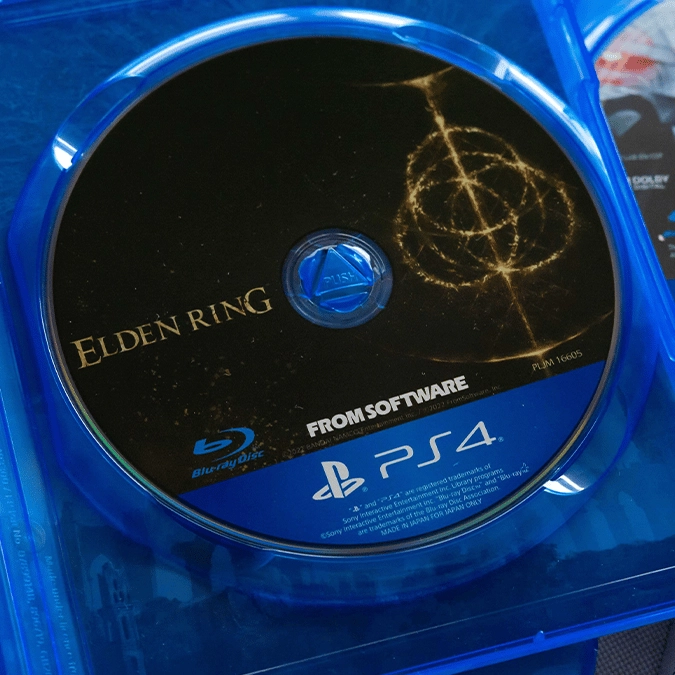
Analyst drops brutal reality check on PlayStation fans demanding Sony keep making discs


Gamers were understandably outraged following Sony's decision to end all physical game production for PlayStation titles after January 2028, yet one industry analyst reveals brutal disc sales numbers that show why the move is unlikely to be reversed.
As reported by TechRadar, these stats were shared by gaming industry advisor Mat Piscatella, senior director at point-of-sale data tracking company Circana, who noted on Bluesky that just seven games have sold over 100,000 physical copies on PlayStation year-to-date in the United States, with only two selling more than 10,000 units in the week ending July 11 — shortly after Sony announced the decision.
This isn't just limited to Sony's first-party games either, as it encompasses all titles released on PlayStation platforms in a potentially damning indictment of people's buying habits in the current gaming climate.

Advert
Many of the biggest games releasing these days sell over a million copies within their first week, so to have just a handful of games reach more than 10% of that figure across the entirety of 2026 is rather concerning.
Of course, this does only take into account the United States – with other countries across the world potentially more likely to buy physical discs over digital counterparts – but America remains PlayStation's biggest market and therefore the primary indicator of gaming trends going forward.
These stats are also backed up by Sony's most recent earnings call, as pointed out by VGC's Chris Scullion in the replies to Piscatella's post, which indicated that 85% of all software sales made in Q4 of FY2025 were digital.
This provides significant evidence that Sony is incredibly unlikely to make a u-turn in this instance, even with significant fan backlash and petitions with hundreds of thousands of signatures, yet that should have also been clear when the primary disc production factory was repurposed just days after the announcement.
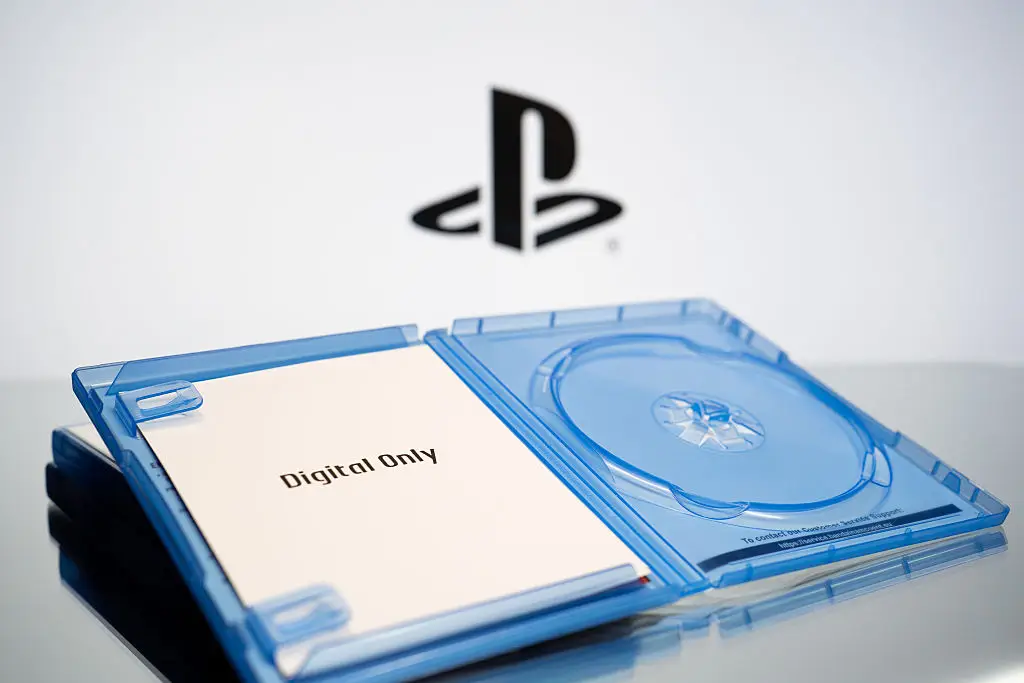
What Piscatella's stat doesn't include, however, is used game sales, and that remains one of the biggest arguments that players have for keeping physical discs in circulation going forward.
As those titles aren't bought new it is impossible for Sony to track quite how many PlayStation games are sold on the second-hand market, and while digital may still reign supreme it's likely that the share of physical players is higher than expected because of this.
It also provides as avenue for more budget-conscious gamers to access new and old titles alike, with used games not only being far cheaper at the point of sale, but it also provides the option to make most of your money back after completing the game and selling it on.