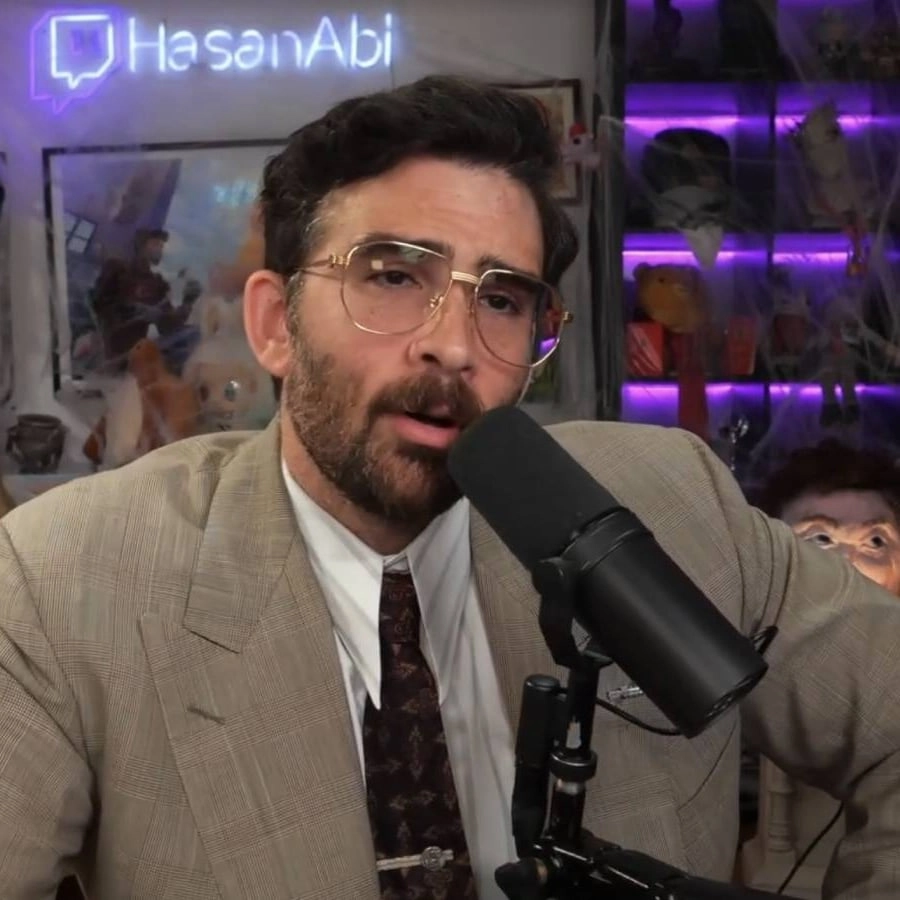
Why Hasan Piker’s $72.5M lawsuit against CCN's Scott Jennings could change 'clip farming' forever

Warning: This article contains discussion of racial discrimination which some readers may find distressing.
Political commentator Hasan 'HasanAbi' Piker has filed a defamation lawsuit in federal court, launching a case against CNN's Scott Jennings and seeking $72.5 million in damages.
It comes after Jennings shared a clip on his show that allegedly appeared to feature the Twitch streamer calling for a return to the times of lynching Black Americans.
Piker has become a sometimes controversial voice in politics and has drawn criticism from all sides. Given how much he streams on any given day, there's plenty of content out there that is ready to be chopped and changed by so-called clip farmers who want to spin their own narrative.
Advert
This is what Piker has accused Jennings of doing, and now, the argument is poised to head to the courts.
What is the Hasan Piker x Scott Jennings lawsuit?
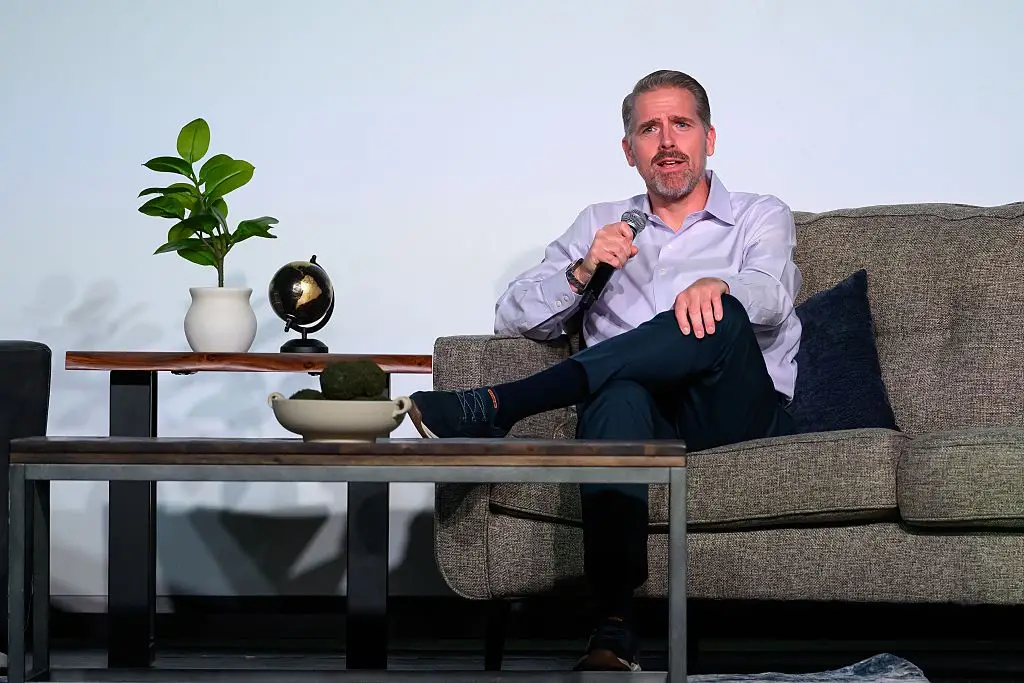
An October 27 complaint alleges that a 42-second video shared on The Scott Jennings Show on August 11 wrongly represents Piker's own words. Claiming that material from three different livestreams was combined, Piker maintains that the aired video removes crucial context about him mocking someone else's position.
He goes on to challenge a quote that he says was wrongly attributed to him, a quote in which Jennings denounced Piker's supposed commentary and warned Black voters about the 'Piker plan of returning our country to lynchings'.
Piker's complaint states: “The accusation was especially calculated to provoke outrage because it invoked one of the most shameful chapters in American history.
“Mr. Jennings did not merely suggest that Mr. Piker held objectionable political views. He falsely told Black Americans that Mr. Piker wanted them lynched for exercising their right to vote. He used the history of racial terror as the premise for a political attack built on views Mr. Piker never expressed.”
The complaint goes on to allege that 'the underlying debate was removed from view' and 'so was the contemporaneous audience commentary'.
Meier Watkins Phillips Pusch legal team, who is representing Piker, claims that Jennings knew the statements were false or that he acted with 'reckless disregard' for the truth. This is the standard courts require for public figures in defamation cases.
Piker's lawsuit says it's clear he was mocking another person's argument instead of advocating for lynchings: “These were not expressions of disagreement with Mr. Piker’s politics. Nor were they rhetorical characterizations of an admittedly controversial commentator.
“They were factual assertions about what Mr. Piker had said and advocated in his work. Each statement was demonstrably false.”
Piker alleges that Jennings' comments led to him suffering harm to his reputation and damaged his ability to make a living.
It's said that Piker's side asked Jennings to admit it was a misquote and remove the video in late August, allegedly to no avail.
How could Hasan Piker prove defamation
Piker's defamation case could have a significant impact on the practice of clip farming and extracting provocative moments from longer streams, podcasts, and debates. We previously saw this when some right-wing commentators claimed to have images of people on the left performing Nazi salutes in the aftermath of Elon Musk's alleged inauguration gesture.
Others have similarly defended the world's richest man and said pictures were taken out of context.
If Piker is successful, the biggest change likely won't be that clip farming becomes illegal, but instead, sharing deliberately misleading clips could lead to more expensive liability, especially if out-of-context clips are used to make damaging accusations.
It becomes especially costly for outlets that rely on viral clips often taken from much broader conversations.
UNILADTech spoke to The Lovell Firm’s Tre Lovell, with the defamation attorney explaining that in the instance of Piker and Jennings, defamation 'requires a provably false statement of fact (not an opinion or hyperbole) that was made either knowing it was false or made in reckless disregard of its truth'.
Lovell suggests that Piker has a good argument, with the statements made attributing him to being racist, which is inherently defamatory and negative. Lovell added: “They do not serve as commentary on his political beliefs nor criticize Piker’s commentary about the video debate.”
Proving actual malice might be a challenge, as Lovell added: “Jennings was not alleged to have cut the clips himself from Piker’s show which would attribute a knowingly false characteristic to his publication. Rather, he forwarded the edited clips that he received or found in their edited condition and may not have known the falsity of the clips or the backdrop as to how they were created.”
The fact that Jennings left the statement up after he was allegedly put on notice could 'transform what was an innocent or unknowing repost of an edited clip' into actual malice.
How could clip farming be affected by the Scott Jennings case?
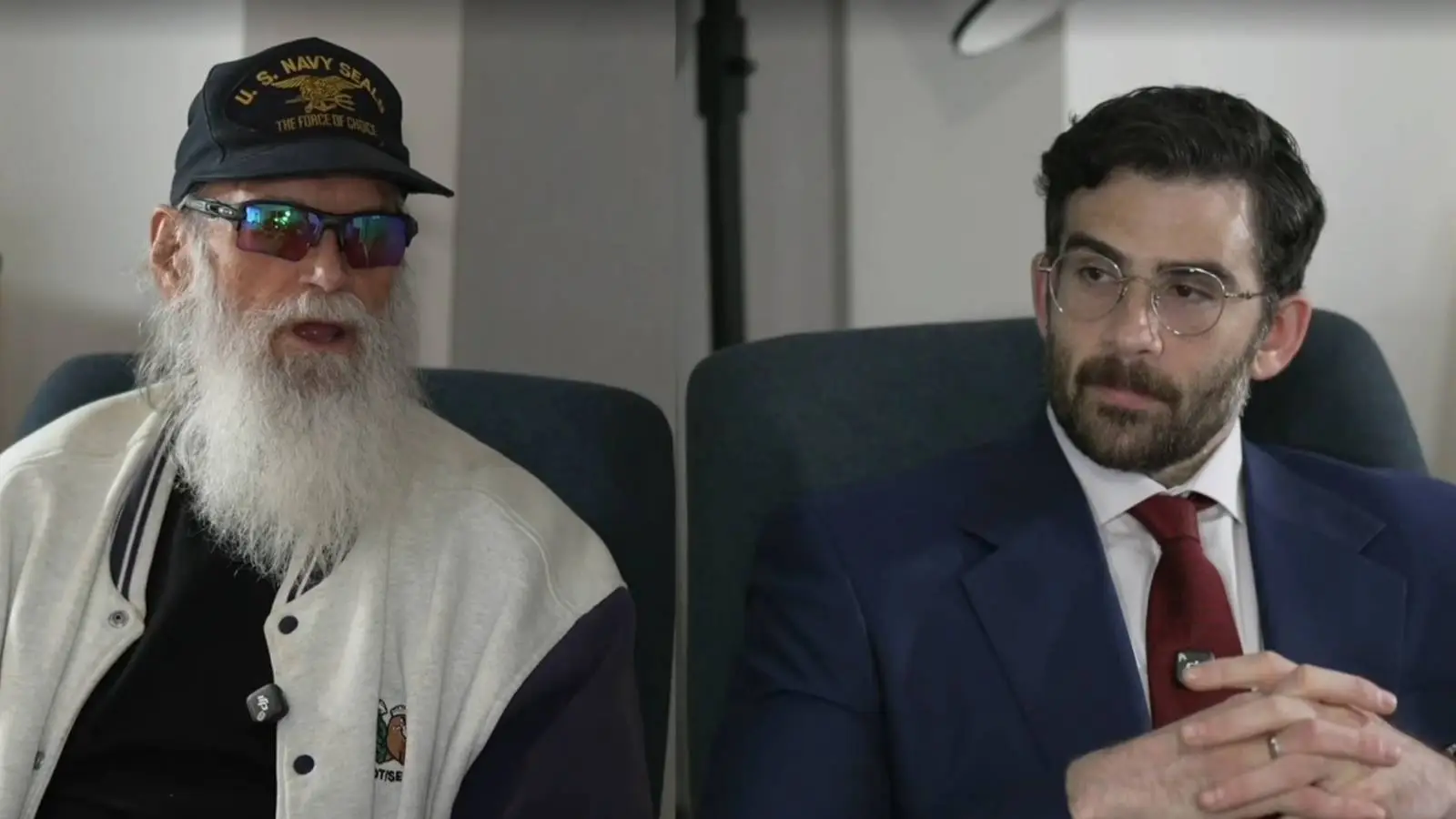
Looking at the wider implications, reposting someone else's clip might not be a defense. Saying that you simply re-shared a clip that was already online likely won't help a large creator or broadcaster.
A knock-on effect might also see the original footage become more valuable as clip channels will be forced to preserve source links, timestamps, and edit histories.
Even though smaller clip farming accounts are less likely to be sued, they aren't automatically exempt. For the larger ones, operating costs would probably increase as they require stronger editorial review, correction costs, and legal oversight.
Lovell agrees, saying that clip farming is 'very dangerous and fails to present the entirety of the author’s meaning to the listener or reader'. Publishers have to ensure that clips are accurate when tested against an entire article or show, needing to add background information so audiences know the context.
As is becoming increasingly common, Lovell also looked at how technology is advancing as he concluded: “This is only going to get worse with AI as the technology will be used to completely fabricate one’s name, image or likeness as opposed to taking actual statements and publishing them out of context.”
Piker's case could open the floodgates while encouraging others from both sides of the political spectrum to launch similar lawsuits over clips where they claim their words have been twisted.
Even though a settlement is unlikely to establish anything groundbreaking in legal terms, Hasan Piker could completely overhaul the way the clip farming industry works.