
Meta faces privacy lawsuit over claims smart glasses allowed staff to watch customers having sex
It's said that bank details and even trips to the bathroom are seen by human contractors


In another example of Black Mirror coming to life, Meta has been pulled into a privacy lawsuit amid claims that subcontractors are watching customers through the lenses of their smart glasses.
Privacy concerns are everywhere in 2026, but away from the idea that our online anonymity will soon be stripped away, and that certain apps are already spying on us, one of the biggest tech companies in the world finds itself facing some tough questions over the use of smart glasses.
An investigation from Swedish Newspaper Svenska Dagbladet (via TechCrunch) claimed that staff at a Kenya-based subcontractor of Meta were using the company's smart glasses to inadvertently spy on users. It's alleged that they were able to review sensitive content that included wearers conducting their usual daily business, as well as more intimate actions like going to the toilet and even having sex.
Mark Zuckerberg has been championing the Meta Ray-Ban smart glasses as ‘personal superintelligence’, but speaking to Svenska Dagbladet, one worker suggested that the company can see far more than you might intend for it to.
Advert
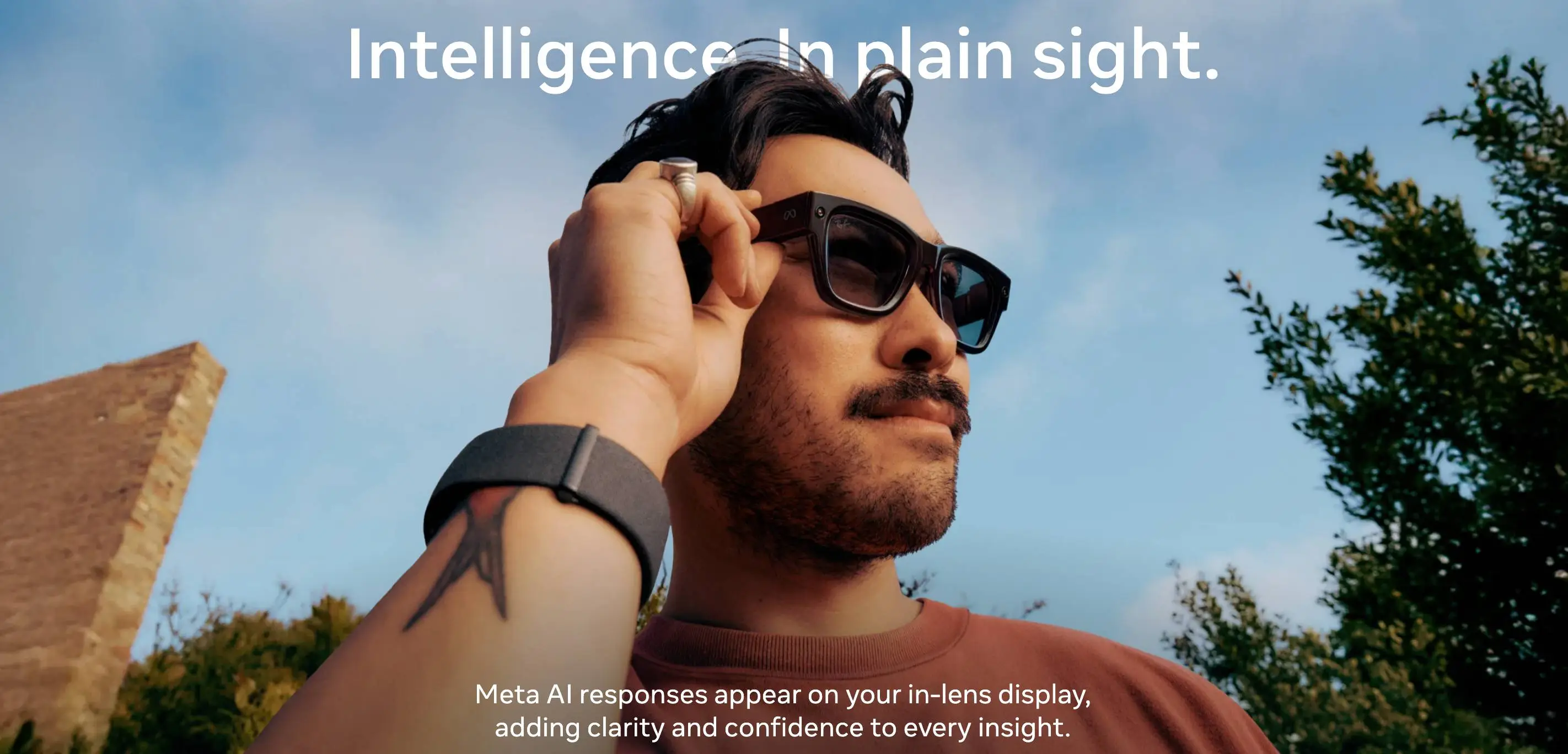
The subcontractor in question is Sama, and is located in the Kenyan capital of Nairobi. It's said that thousands of workers are helping train AI models, but not watching these videos for their own pleasure, workers maintain it's 'uncomfortable' to go to work and see what people in other countries are up to.
One staff member told the outlet: "We see everything – from living rooms to naked bodies. Meta has that type of content in its databases. People can record themselves in the wrong way and not even know what they are recording. They are real people like you and me."
As well as putting glasses on a bedside table and accidentally filming a naked partner, users will be unknowingly sending details like their bank accounts right across the globe.
Another employee said: "There are also sex scenes filmed with the smart glasses – someone is wearing them having sex. That is why this is so extremely sensitive.
“There are cameras everywhere in our office, and you are not allowed to bring your own phones or any device that can record."
The BBC reports that the United Kingdom's Information Commissioner’s Office has written to Meta to share its concerns, while in the USA, public interest-focused Clarkson Law Firm is representing plaintiffs Gina Bartone of New Jersey and Mateo Canu of California in a lawsuit.
It's alleged that Meta has breached privacy laws and engaged in false advertising. Glasses manufacturer Luxottica of America is also named in the filing.

Per TechCrunch, over seven million people bought Meta's smart glasses in 2025, with them being advertised alongside promises like "designed for privacy, controlled by you" and “built for your privacy.”
The case claims that Meta’s marketing contains no disclaimer or information that contradicts these protections, with no option to opt out of footage being sent for review.
Meta told the BBC that its privacy policy reiterates that content will be shared with contractors in hopes of improving customer experience, while the BBC did find a mention of human review in Meta’s U.K. AI terms of service.
We're also pointed to a US version of the policy, which explains: "In some cases, Meta will review your interactions with AIs, including the content of your conversations with or messages to AIs, and this review may be automated or manual (human).”
Although Meta didn't discuss the litigation itself with TechCrunch, spokesperson Christopher Sgro issued the following statement: “Ray-Ban Meta glasses help you use AI, hands-free, to answer questions about the world around you. Unless users choose to share media they’ve captured with Meta or others, that media stays on the user’s device.
“When people share content with Meta AI, we sometimes use contractors to review this data for the purpose of improving people’s experience, as many other companies do. We take steps to filter this data to protect people’s privacy and to help prevent identifying information from being reviewed."