
Scientists reveal 'surprising health benefit' that comes with drinking beer


We're regularly reminded to keep our weekly alcohol intake in check and understandably so, as evidence of boozy beverages on our health is not in short supply.
Studies have shown that 35 years of heavy drinking can rewire the brain's reward and decision-making systems, while simulations have illustrated just how dramatically the body can recover once we stop drinking alcohol. At the same time, a neurologist has even weighed in on the exact age at which people should consider stopping drinking altogether.
But a recent report suggests that drinking beer might offer a 'surprising health benefit.'
Advert
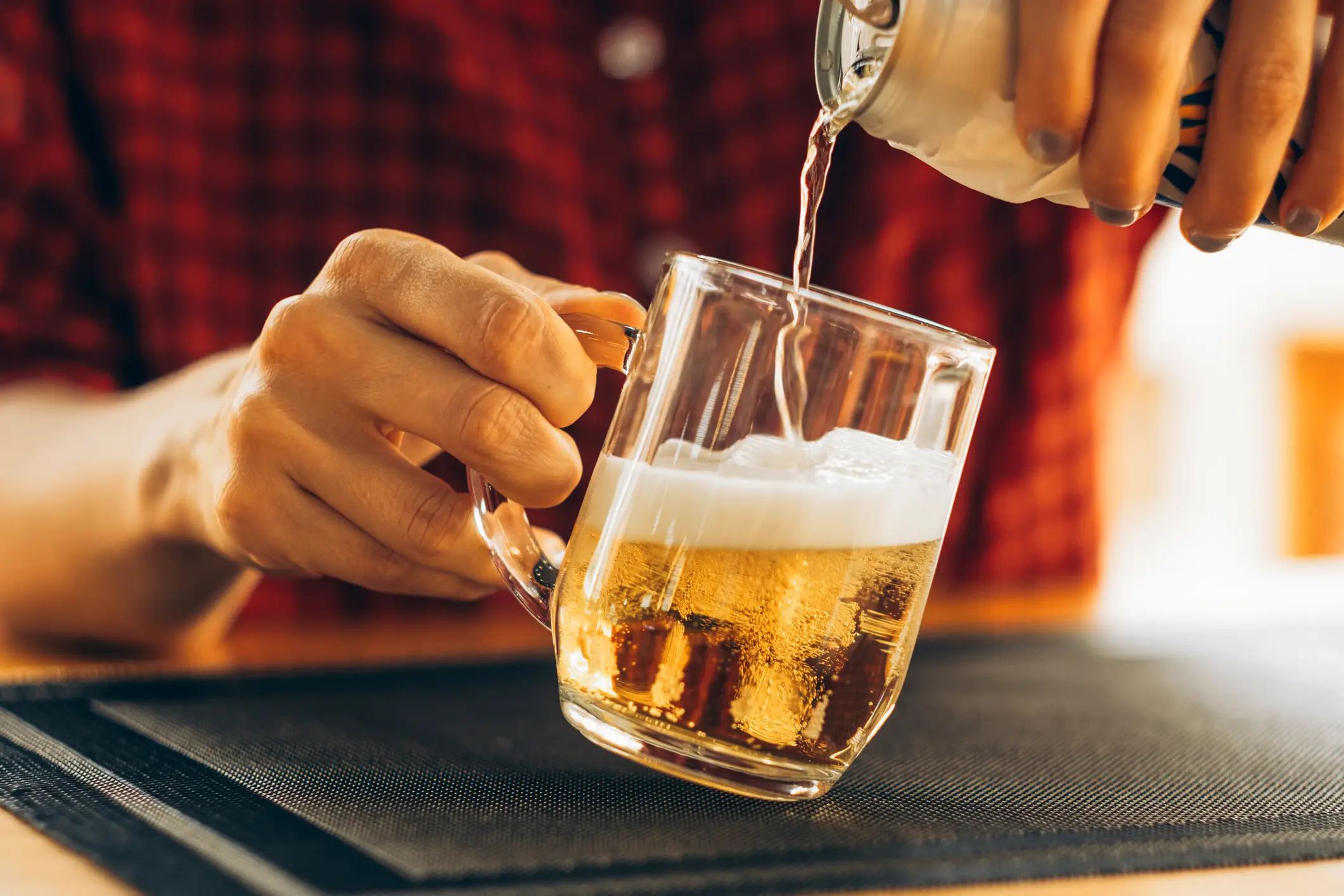
The study found that both full-strength and alcohol-free beers contain measurable amounts of vitamin B6, an essential nutrient that maintains neurological function, including the production of serotonin and dopamine.
A typical half-litre serving was found to provide around 13 to 16% of the recommended daily intake of the vitamin, which could be interpreted as beer may be good for the brain.
But before you reach for a cold one in the name of health, it's worth understanding what the study does and does not actually show.
While 15% of your daily vitamin B6 from a beer sounds impressive, most people in developed countries are not deficient in B6 to begin with.
The same amount can be easily obtained from a standard healthy diet. Potatoes, chickpeas, fortified cereals, meat and vegetables all provide vitamin B6 without any of the risks associated with alcohol.
For a beer to qualify as a meaningful source of B6 under established nutritional guidelines, it would need to provide close to a full day's recommended intake in a single pint. However, none of the beers studied came anywhere near that threshold.

The paper, published in the Journal of Agricultural and Food Chemistry, also links vitamin B6 to important neurological functions but does not provide a direct link to improved brain health.
What the study also fails to address are the well-established downsides of alcohol consumption. The World Health Organization states that there is no safe level of alcohol intake, pointing to increased risks to the liver, brain, and a range of cancers. Not to mention that the study involved volumes of up to a litre of beer, which would exceed the NHS guidance on intake limits.
It's important to note that factors such as diet, physical activity, and access to healthcare can all influence results. So if you fancy cracking open a cold one, just make sure it's for the taste, not for the nutrients.