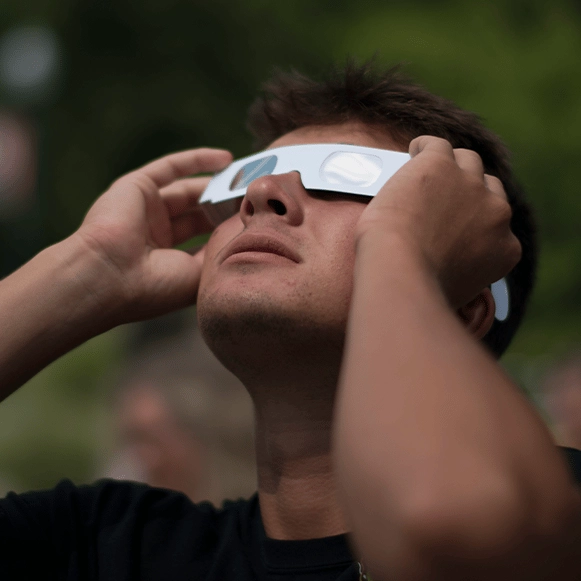
Warning over potentially fatal ‘side-effect’ of watching the total solar eclipse


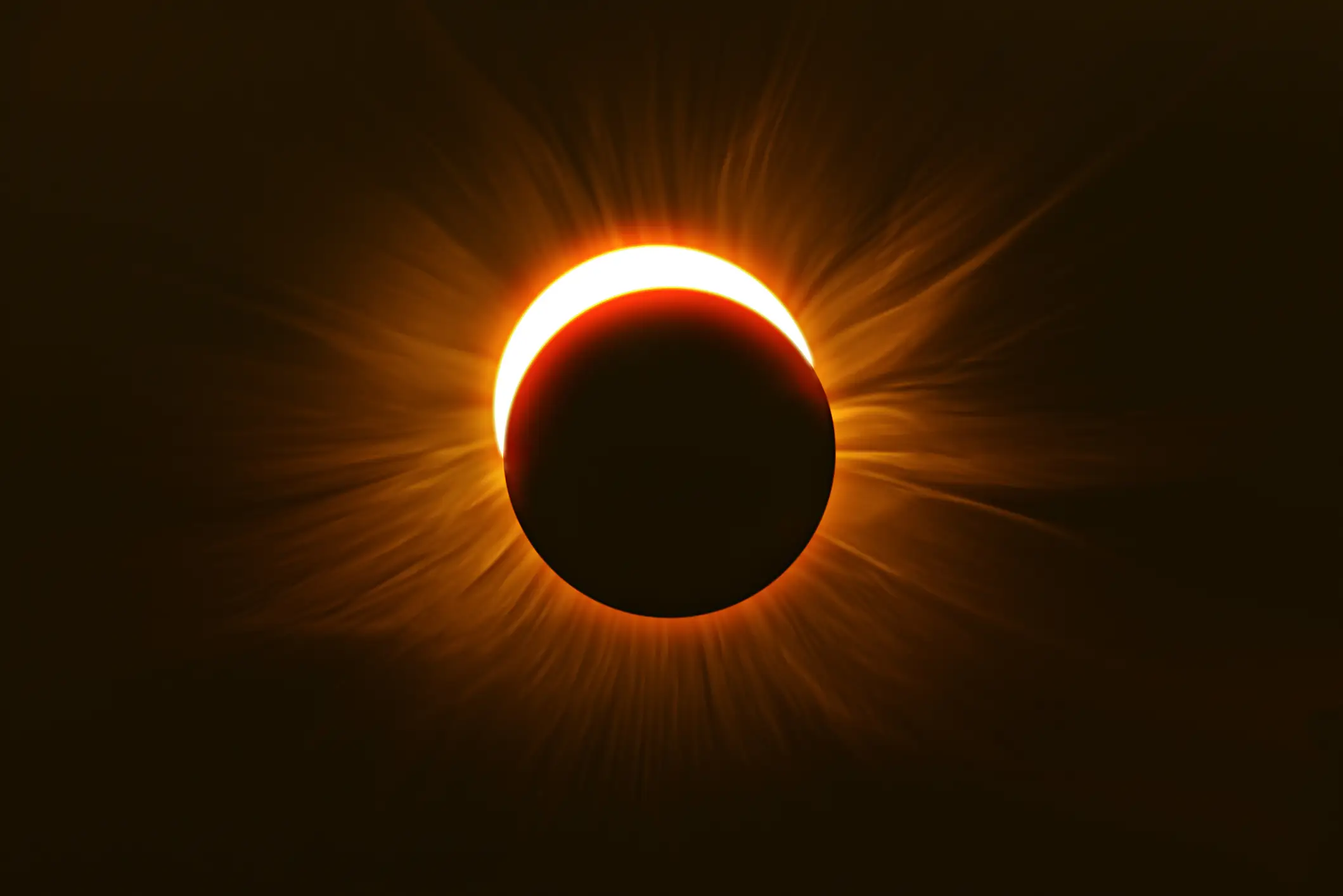
On April 8 there's going to be a total solar eclipse in some parts of the world, including a big strip across North America that will fall under the 'totality path'.
This means people there will get to see one of the rarest sights on Earth, as the Sun is completely obscured by the Moon and daylight suddenly turns dark.
However, a team of researchers has warned that these eclipses, as mesmerizing as they can be, can also have dangerous side effects, and can cause road traffic accidents to spike.
Advert
Interestingly, though, this isn't for the reason you might first assume. It's not that drivers are being confused by the disappearance of their sunlight, or dazzled as it comes back suddenly.
Rather, the accidents are caused as people drive on unfamiliar roads and rural tracks in order to journey to places where they've been told they'll get a good look at the eclipse.
The research team that worked this all out was led by Dr Don Redelmeier, a professor University of Toronto, and came to the conclusion that one extra person may be involved in a vehicle crash every 25 minutes throughout the duration of the eclipse.
This was based on data from 2017, when 20 million people in the US apparently traveled to another city to see that year's solar eclipse, which made for a whole lot of extra accidents.
The research team compared a three-day window around that eclipse to other randomized slices of time, as control comparisons, and found that traffic incidents were indeed higher.
Regardless of age, sex, race and ethnicity, there was a provable higher accident risk the closer you got to the time of the eclipse itself.
Furthermore, the clearer the weather, the worse the risk, since clear skies are a huge bonus for anyone hoping to see an eclipse, meaning that people will likely travel to areas with better weather forecasts.
The good news is there are some pretty obvious ways to counteract this risk. One member of the team, Dr John Staples from the department of medicine at the University of British Columbia, said: "To help prevent another possible surge in traffic fatalities, clinicians might advise patients to respect speed limits, minimize distractions, allow more headway, wear a seatbelt, and to never drive impaired."
Those are tips that most people would agree are sensible regardless of the conditions, so sticking them seems like a bit of a no-brainer. The research team is also calling on authorities to design better response systems, to reduce mortality rates once accidents do happen.